
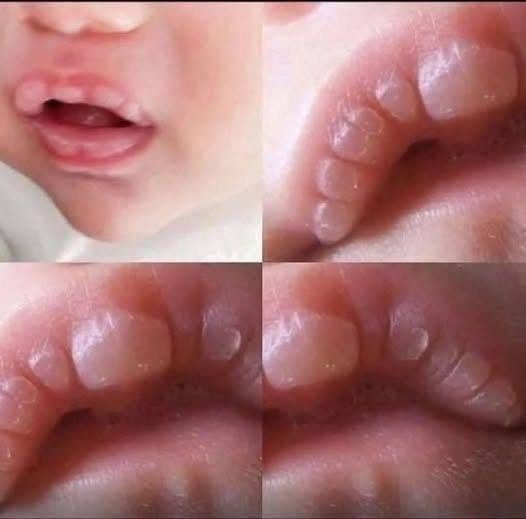
Baby Teething: Signs, Comfort Tips, and When to Talk to a Doctor
What is teething?
Teething is the process of a baby’s primary (baby) teeth breaking through the gums. It usually begins around 6 months of age, although it’s normal for the first tooth to appear anywhere from 4 to 15 months.
The lower front teeth (lower central incisors) are often the first to erupt, followed by the upper front teeth.
Common teething signs
Many babies experience mild symptoms such as:
- Increased drooling
- Wanting to chew on fingers or toys
- Swollen or tender gums
- Mild fussiness or irritability
- Changes in sleep
- Decreased interest in eating for a short time
Not every baby has noticeable symptoms.
What teething does not usually cause
Research shows that teething may cause mild discomfort, but it does not typically cause:
- High fever (38°C/100.4°F or higher)
- Significant diarrhea
- Persistent vomiting
- Severe rash
- Extreme lethargy
If your baby has these symptoms, don’t assume they’re due to teething. Contact your pediatrician to look for another cause.
Safe ways to comfort your baby
You can help relieve teething discomfort by:
- Offering a clean, chilled (not frozen) teething ring
- Gently massaging the gums with a clean finger
- Letting your baby chew on a clean, cool, damp washcloth
- Providing extra comfort and cuddles
For babies who have started solid foods, cool foods such as yogurt or chilled fruit purée (appropriate for their age) may also be soothing.
Products to avoid
For safety reasons, avoid:
- Amber teething necklaces or bracelets (they pose choking and strangulation hazards)
- Teething gels containing benzocaine unless specifically recommended by a healthcare professional
- Homeopathic teething tablets that have not been evaluated for safety
- Hard or frozen objects that could injure the gums
Caring for baby teeth
Good oral care starts early:
- Clean your baby’s gums with a soft, damp cloth before teeth appear.
- Once the first tooth erupts, brush twice daily with a soft infant toothbrush.
- Use a tiny smear (rice grain-sized amount) of fluoride toothpaste for children younger than 3 years, following current pediatric dental recommendations.
- Schedule the first dental visit by the child’s first birthday or within six months after the first tooth appears.
When to contact a healthcare provider
Talk with your pediatrician or dentist if:
- Your baby develops a high fever or seems very ill.
- There is significant swelling, bleeding, or pus around the gums.
- Your baby refuses to eat or drink for an extended period.
- You notice unusual sores or growths in the mouth.
- You have concerns about delayed tooth eruption or oral health.
Bottom line
Teething is a normal developmental milestone that can cause temporary discomfort but usually doesn’t lead to serious illness. Gentle comfort measures, good oral hygiene, and regular dental care can help keep your baby’s mouth healthy. If symptoms seem severe or don’t fit the typical pattern of teething, it’s best to consult your pediatrician or pediatric dentist.