
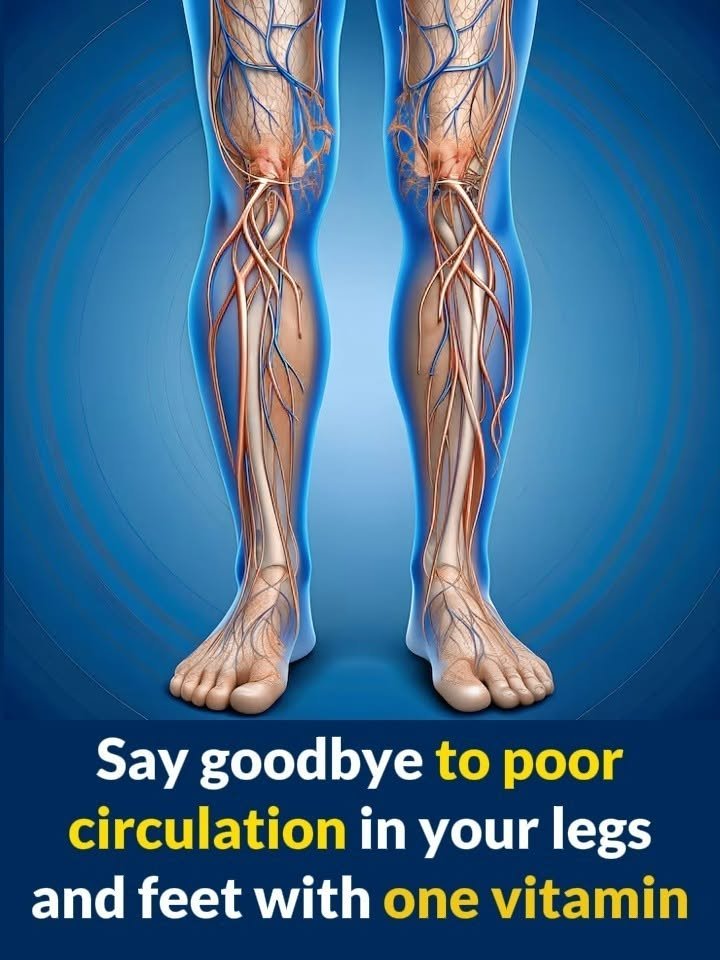
The Best Vitamin for Poor Circulation in Legs and Feet? Why Vitamin B3 (Niacin) Could Be Your Answer—Plus 4 Other Key Nutrients to Know
What vitamin is “best” for poor circulation?
There is no single vitamin that is considered the best treatment for poor circulation. The right approach depends on the underlying cause, which may include:
- Peripheral artery disease (PAD)
- Diabetes
- Chronic venous insufficiency
- Heart disease
- Nerve disorders
- Vitamin deficiencies (such as vitamin B12 deficiency)
If poor circulation is caused by one of these conditions, treating the underlying problem is more effective than taking a vitamin alone.
Vitamin B3 (Niacin): What the evidence says
Niacin is an essential B vitamin that has several effects on the body:
- It can cause blood vessels in the skin to widen, producing the well-known niacin flush (warmth, redness, tingling).
- Prescription niacin has been used to improve cholesterol levels in some patients.
However, it’s important to understand that:
- The niacin flush is not proof that circulation throughout the legs has improved. It mainly reflects dilation of small blood vessels in the skin.
- There is limited evidence that niacin supplements improve symptoms of poor leg circulation or peripheral artery disease (PAD).
- High-dose niacin is not routinely recommended today for preventing heart disease because studies have found that, despite improving cholesterol numbers, it provides little additional cardiovascular benefit for most people already receiving modern treatment.
High-dose niacin can have risks
Therapeutic doses (often 500 mg/day or more) should only be taken under medical supervision because they may cause:
- Liver injury
- Increased blood sugar
- Increased uric acid and gout attacks
- Stomach irritation
- Interactions with some medications
These doses are much higher than the recommended daily intake (about 14–16 mg/day for most adults).
Other nutrients
Some nutrients are important for vascular and nerve health, especially if you’re deficient.
Vitamin B12 and folate
- Important for nerve function and red blood cell production.
- Deficiency can cause numbness, tingling, and balance problems that may be mistaken for poor circulation.
Magnesium
- Helps muscles and blood vessels function normally.
- Correcting a deficiency may improve muscle cramps, but it is not a proven treatment for poor circulation itself.
Omega-3 fatty acids
- May support heart and blood vessel health.
- Can lower triglycerides and may offer modest benefits for some people with cardiovascular disease.
Vitamin E
- Essential nutrient, but routine high-dose supplementation has not been shown to improve circulation.
- High doses may increase bleeding risk, especially in people taking blood thinners.
Lifestyle measures that have stronger evidence
For many people, these strategies provide greater benefit than supplements:
- Walk regularly if your healthcare provider says it’s safe.
- Stop smoking if you smoke.
- Maintain healthy blood pressure, cholesterol, and blood sugar.
- Eat a heart-healthy diet rich in vegetables, fruits, whole grains, legumes, and healthy fats.
- Maintain a healthy weight.
- Stay physically active.
- Wear compression stockings if recommended for venous disease.
When to seek medical care
See a healthcare provider if you have:
- Leg pain while walking that improves with rest
- Feet that are persistently cold, pale, or blue
- Wounds on the feet or legs that don’t heal
- New numbness or weakness
- Swelling in one leg, especially if painful or sudden
- Chest pain or sudden shortness of breath (seek emergency care)
These symptoms may indicate conditions such as peripheral artery disease, a blood clot, or another serious medical problem.
Bottom line
Vitamin B3 (niacin) is an essential nutrient and prescription niacin has specific medical uses, but it should not be considered the “best vitamin” for poor circulation. A niacin flush does not necessarily mean blood flow to the legs has meaningfully improved, and high-dose niacin carries important risks. If you’re experiencing persistent cold feet, leg pain, numbness, or swelling, it’s important to see a healthcare professional to determine the underlying cause before starting supplements.
I need the medicine