
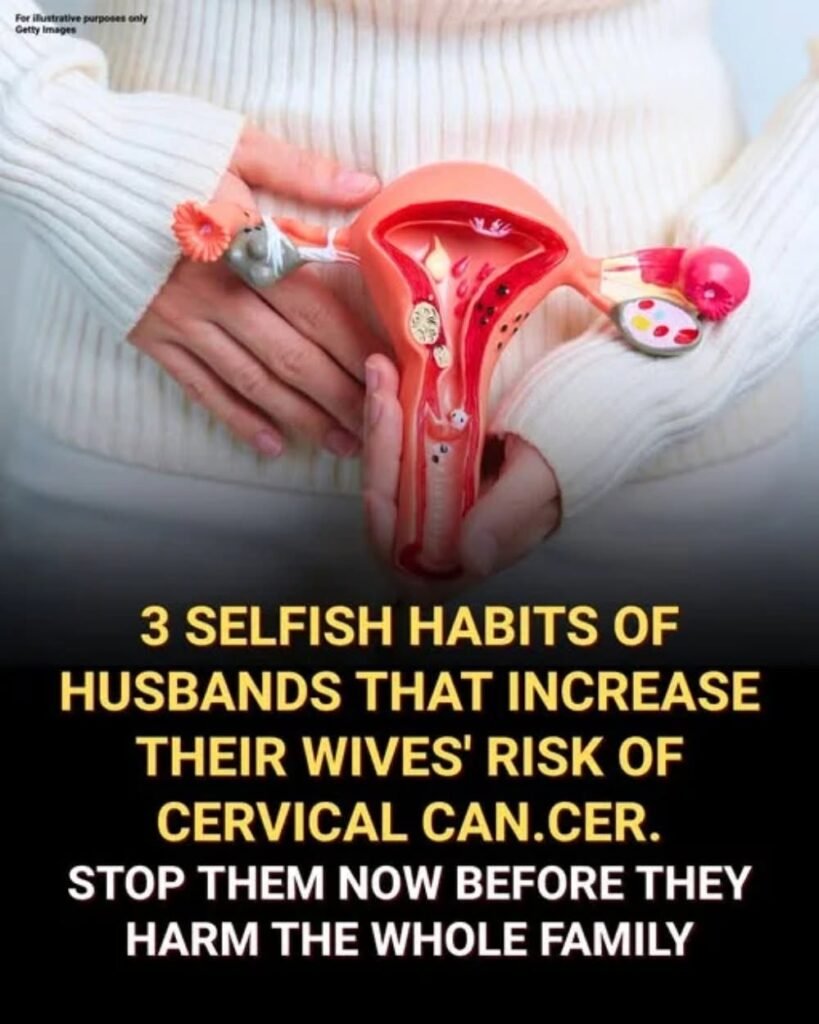
Relationship Habits and Cervical Health: What Couples Should Know
1. Understanding Cervical Health
The cervix is the lower part of the uterus that connects to the vagina. Regular screening and vaccination have greatly improved the prevention of cervical cancer. The main cause of cervical cancer is persistent infection with certain high-risk types of human papillomavirus (HPV), a common sexually transmitted virus.
Key points:
- Main cause: Persistent infection with high-risk HPV
- Prevention: HPV vaccination and regular cervical screening
- Early detection: Routine checkups help find changes before they become cancer
- Shared responsibility: Both partners play a role in sexual health
2. Lifestyle and Relationship Habits That Can Affect Cervical Health
Healthy habits and open communication can help reduce health risks.
Important factors include:
- Smoking: Smoking is linked to a higher risk of cervical cancer, and avoiding secondhand smoke benefits overall health.
- Safer sex practices: Using condoms can lower the risk of HPV transmission and other sexually transmitted infections, though they do not provide complete protection against HPV.
- Communication and consent: Partners should respect each other’s comfort, health, and personal boundaries.
- Regular healthcare: Routine gynecological visits and STI testing, when appropriate, support long-term health.
3. What About Intimacy During Menstruation?
Having sex during menstruation is generally a personal choice. For most healthy couples, it is not considered medically unsafe if both partners consent.
However, keep in mind:
- The risk of transmitting some sexually transmitted infections may be higher if one partner has an infection.
- Good hygiene and protection can help reduce infection risks.
- If intercourse is painful, causes heavy bleeding, or leads to unusual symptoms, seek medical advice.
4. When to See a Healthcare Provider
Regular medical care is the best way to protect cervical health.
Talk to a healthcare provider if you notice:
- Bleeding after sex
- Bleeding between periods or after menopause
- Persistent pelvic pain
- Unusual vaginal discharge or odor
- Pain during intercourse
- Any symptoms that continue or worsen
Regular cervical screening should be completed according to your healthcare provider’s recommendations.
5. Tips for Protecting Cervical Health
Healthy daily habits can support reproductive health.
Daily wellness tips:
- Get the HPV vaccine if eligible.
- Attend routine cervical screening appointments.
- Practice safer sex and discuss sexual health openly with your partner.
- Avoid smoking and reduce exposure to secondhand smoke.
- Maintain a balanced diet, regular exercise, and adequate sleep.
- Seek medical care promptly if unusual symptoms develop.
6. Final Note
Cervical cancer prevention is a shared responsibility. Healthy relationships include respect, communication, and support for each other’s physical and emotional well-being. Most importantly, HPV vaccination, regular cervical screening, and appropriate medical care remain the most effective ways to reduce the risk of cervical cancer.
This article is for general educational purposes only and is not a substitute for professional medical advice, diagnosis, or treatment.