
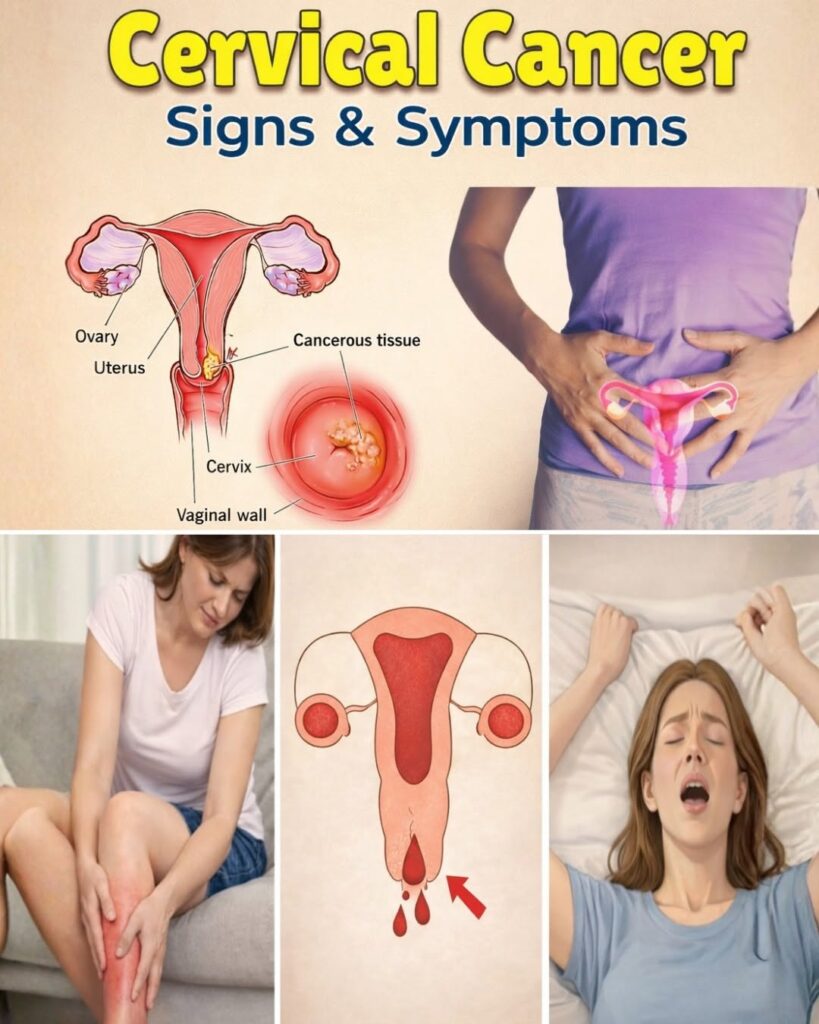
Many women in their 40s and 50s brush off subtle changes in their bodies, thinking they’re just part of busy lives, hormonal shifts, or everyday stress. A faint unusual odor, a bit of spotting, or lingering tiredness can feel minor—until they persist. These quiet signals sometimes point to cervical cancer, a condition that affects thousands each year and is often highly treatable when noticed early. Reliable sources like the American Cancer Society and Mayo Clinic emphasize that while early stages may show no symptoms, paying attention to changes can prompt timely conversations with a doctor.
What if tuning in sooner brought peace of mind? In this guide, we’ll explore nine potential early indicators that women commonly ignore, drawn from medical insights and real-life patterns. Stick around—the final section shares practical steps that could make a real difference in your health routine.
Why These Signs Often Go Unnoticed
Cervical cancer develops slowly, usually linked to persistent HPV infections, and early changes rarely cause obvious trouble. According to the American Cancer Society, about 13,000 new cases occur annually in the U.S., with many found through routine screening rather than symptoms. Yet when signs do appear, they’re easy to attribute to perimenopause, infections, or fatigue from daily life. This overlap creates hesitation—many women wonder if they’re overreacting. But patterns matter, and recognizing persistence empowers better decisions.
But that’s not all—some signs hide in routine moments, making them even sneakier.
Sign 9: Unusual Vaginal Discharge That Seems Off
Changes in vaginal discharge rank among the most overlooked clues. It might turn watery, pinkish, brownish, or carry a persistent foul odor unlike your usual pattern. Many women first notice it during daily routines and assume it’s hormonal or minor irritation.
Research from trusted organizations like the Mayo Clinic notes that unusual discharge, especially if bloody-tinged or odorous, can relate to cervical cell changes. While common causes exist, persistence beyond a week or two deserves mention to a healthcare provider.
Here’s the key: track how long it lasts and any accompanying feelings of unease.
Sign 8: Discomfort or Pain During Intimacy
Intimacy should feel comfortable, yet a sharp sting, aching, or new sensitivity can signal something more. Women often link it to dryness, stress, or age-related changes and avoid addressing it.
Medical reviews, including those from the American Cancer Society, connect this to possible inflammation or tissue effects in the cervix area. Pain during or after intercourse appears in discussions of early indicators.
Imagine reclaiming that comfort—what small step could start the process?
Sign 7: Unexpected Bleeding Between Periods
Spotting or light bleeding outside your normal cycle—or heavier, longer periods—can disrupt routines. Stress, birth control, or perimenopause often take the blame, but recurring episodes raise questions.
The CDC highlights abnormal bleeding, such as between periods or after menopause, as a notable change worth checking. Data shows links to HPV-related shifts in many cases.
Patterns like this build over time—logging dates helps spot trends.
Sign 6: Ongoing Pelvic Discomfort or Ache
A dull, persistent pressure or ache in the lower abdomen might feel like muscle strain from exercise or daily tasks. When it lingers for weeks and affects sleep or movement, it stands out.
Clinical sources, including Mayo Clinic reports, associate ongoing pelvic pain with possible pressure from cervical area changes. It’s subtle but consistent.
But wait—sometimes the body sends signals through overall energy levels too.
Sign 5: Unexplained Fatigue That Won’t Lift
Feeling drained despite rest, with tiredness hitting hard by midday, is common in busy lives. Yet when it’s deep and unrelenting, it may tie to the body’s response to underlying issues.
Oncology insights suggest fatigue can accompany early immune activity. The National Cancer Institute notes this as part of broader patterns.
Is it just life? Or a nudge to investigate further?
Sign 4: Unintentional Weight Loss
Dropping pounds without diet or exercise changes can feel positive at first. But when appetite dips or clothes fit loosely unexpectedly, it signals imbalance.
Studies observe metabolic or absorption shifts in some health concerns, including those affecting the cervix.
This one often surprises people—it’s not always welcome.
Sign 3: Persistent Lower Back Pain
Chronic lower back discomfort, especially if it radiates or worsens with sitting/standing, gets dismissed as posture or activity-related. Yet it can connect to nearby tissue effects.
Harvard-linked research mentions back pain in discussions of cervical cancer spread patterns, though early stages focus more on local signs.
Sign 2: Swelling in the Legs or Ankles
Puffy ankles or feet by day’s end might seem tied to standing or heat. Persistent edema, even with rest, points to possible lymphatic involvement.
Clinical reports link this to blockages in advanced cases, but it appears in symptom lists.
Sign 1: Changes in Urination Patterns
Frequent urges, burning, or discomfort during urination disrupt daily life. Many blame caffeine or minor infections, but persistence stands apart.
The World Health Organization and cancer societies note bladder pressure as a potential indicator when cervical changes affect nearby areas.
Karen’s story illustrates this: a nurse ignored frequent urges until screening brought answers and relief. Early action turned worry into control.
Quick Comparison: Everyday Causes vs. When to Pay Attention
To help sort overlap, here’s a simple breakdown:
- Unusual Discharge — Common: Hormones/infections | Potential link: Persistent odor, color change
- Pain During Intimacy — Common: Dryness/age | Potential link: New, recurring discomfort
- Abnormal Bleeding — Common: Stress/cycles | Potential link: Between periods or post-menopause
- Pelvic Pain — Common: Exercise/strain | Potential link: Constant, unexplained
- Fatigue — Common: Poor sleep | Potential link: Deep, unrelenting
- Weight Loss — Common: Diet shifts | Potential link: Unintentional + appetite change
- Lower Back Pain — Common: Posture | Potential link: Persistent + radiating
- Leg Swelling — Common: Standing/heat | Potential link: Ongoing despite rest
- Urinary Changes — Common: Caffeine | Potential link: Frequent urges + burning
Patterns and duration matter most—isolated incidents often resolve, but ongoing ones warrant discussion.
Practical Steps You Can Take Right Now
Empower yourself with these straightforward actions:
- Track Symptoms — Use a simple journal or app to note changes, dates, and triggers for 2–4 weeks.
- Schedule Routine Screening — Talk to your gynecologist about Pap/HPV tests—guidelines recommend regular checks based on age and history.
- Adopt Supportive Habits — Maintain a healthy weight, avoid smoking, and consider HPV vaccination discussions if eligible.
- Seek Support — Connect with women’s health communities for shared experiences, but always follow professional advice.
- Know Emergency Signs — Heavy bleeding, severe pain—seek immediate care.
These steps promote awareness without self-diagnosis.
Key Takeaways and Final Thoughts
Listening to your body matters—subtle, persistent changes like unusual discharge, intimacy discomfort, or irregular bleeding deserve attention. Early awareness often leads to productive doctor visits and peace of mind. Regular screenings remain the gold standard for catching issues before symptoms escalate.
What one small action feels right for you today? Sharing this with a loved one might spark an important conversation too.
FAQ
What are the most common early signs of cervical cancer?
Unusual vaginal bleeding, changes in discharge, and pain during intercourse top many lists from sources like the American Cancer Society and Mayo Clinic.
Can these signs always mean cervical cancer?
No—many overlap with benign causes like infections or hormonal shifts. Only a healthcare provider can assess through exams and tests.
How often should I get screened for cervical cancer?
Guidelines vary by age and history—many recommend Pap/HPV co-testing every 3–5 years for women 30–65. Consult your doctor for personalized advice.
This article is for informational purposes only and is not a substitute for professional medical advice. Always consult a qualified healthcare provider for any health concerns or before making changes to your routine.