
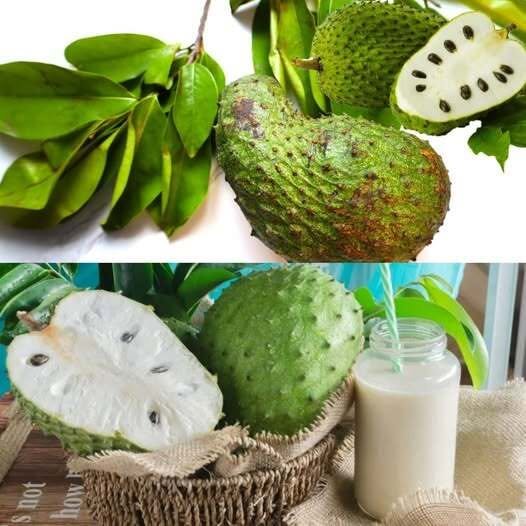
Soursop: The Tropical Fruit and Leaves Used in Traditions Around the World
Soursop, also known as graviola or guanábana, is a tropical fruit prized for its soft white flesh and sweet-tart flavor. Both the fruit and its leaves have long been used in traditional cuisines and cultural practices in many parts of the world. From refreshing smoothies to herbal teas, soursop is valued for its versatility and distinctive taste.
Here’s what to know about soursop, its nutritional components, common culinary uses, and important safety considerations.
1. What Is Soursop?
Soursop is the fruit of the Annona muricata tree, which grows in tropical regions of Central and South America, the Caribbean, Africa, and Southeast Asia.
The fruit has a spiky green outer skin and creamy white pulp with a naturally sweet and slightly tangy flavor. It contains numerous black seeds that should be removed before eating. The tree’s glossy green leaves are sometimes dried and brewed into herbal tea in traditional practices.
2. Natural Components of Soursop
Soursop fruit contains several nutrients, including:
- Vitamin C: An essential nutrient that supports normal immune function and collagen formation.
- Dietary Fiber: Helps support normal digestion as part of a balanced diet.
- Natural Antioxidants: Plant compounds naturally present in the fruit and leaves.
- B Vitamins: Present in small amounts and involved in normal energy metabolism.
- Natural Sugars: Provide sweetness and energy.
The leaves also contain naturally occurring plant compounds, including acetogenins, which have been studied in laboratory settings. Laboratory research does not necessarily reflect effects in humans, and more research is needed to understand their safety and potential health effects.
3. Common Ways People Use Soursop
People commonly enjoy soursop in several traditional and culinary ways:
- Fresh Fruit: Eaten on its own or blended into smoothies, juices, ice cream, and fruit desserts.
- Soursop Leaf Tea: Dried leaves are steeped in hot water to make a mild herbal beverage.
- Traditional Topical Use: In some cultures, cooled soursop leaf tea is used as a skin rinse. This is a traditional practice and is not an established medical treatment.
- Cooking: The fruit pulp is used in beverages, desserts, jams, sauces, and other tropical recipes.
4. Traditional and Culinary Uses
Soursop is widely enjoyed throughout tropical regions and is commonly sold in local markets. Its creamy pulp is a popular ingredient in drinks, frozen desserts, and sweet dishes.
Soursop leaf tea has also been part of traditional practices in several cultures, where it is often consumed as a warm evening beverage because of its mild herbal flavor.
5. Important Safety Tips
While soursop is commonly eaten as a fruit, some parts of the plant contain naturally occurring compounds that warrant caution.
- Enjoy the fruit in moderation: Like many fruits, soursop contains natural sugars and fiber. Eating very large amounts may cause digestive discomfort in some people.
- Do not eat the seeds: Soursop seeds are not edible and should always be removed before eating or blending the fruit.
- Use leaf tea cautiously: If preparing tea, one or two dried leaves per cup is a commonly used amount in traditional preparations. Avoid consuming large amounts or using it daily for extended periods without discussing it with a healthcare professional.
- Consult your healthcare provider: If you are pregnant, breastfeeding, have a medical condition, or take medications—particularly for blood pressure or diabetes—seek medical advice before regularly consuming soursop leaf tea.
- Neurological safety: Some research has raised questions about certain naturally occurring compounds in soursop and possible effects on the nervous system with frequent or high intake. More human research is needed, but moderation is advised.
- Children: Remove all seeds before serving the fruit. Herbal teas made from soursop leaves are generally not recommended for young children unless advised by a healthcare professional.
6. How to Make Soursop Leaf Tea
Ingredients
- 1–2 dried soursop leaves
- 1 cup (240 mL) water
- Honey or lemon (optional)
Instructions
- Bring the water to a boil.
- Add the dried leaves and reduce to a gentle simmer for about 10 minutes.
- Strain the tea into a mug.
- Add honey or lemon if desired.
- Enjoy while warm.
Many people choose to drink this tea occasionally as part of their personal or cultural traditions.
How to Eat the Fruit
Cut the ripe fruit in half, scoop out the white pulp, and carefully remove all black seeds before eating or blending. The pulp can be enjoyed fresh or added to smoothies, juices, desserts, and other recipes.
Final Thoughts
Soursop is a flavorful tropical fruit enjoyed around the world for its unique taste and versatility. The fruit provides vitamin C, dietary fiber, and other naturally occurring nutrients, while the leaves are traditionally brewed into herbal tea in some cultures.
Although soursop has a long history of culinary and traditional use, it should be enjoyed as a food or beverage—not as a substitute for medical care or treatment. If you are pregnant, have an underlying medical condition, or take prescription medications, consult a licensed healthcare professional before using soursop leaf tea regularly.
Disclaimer: This article is for informational and educational purposes only and should not be considered medical advice. Soursop is a food and beverage ingredient and is not intended to diagnose, treat, cure, or prevent any disease.