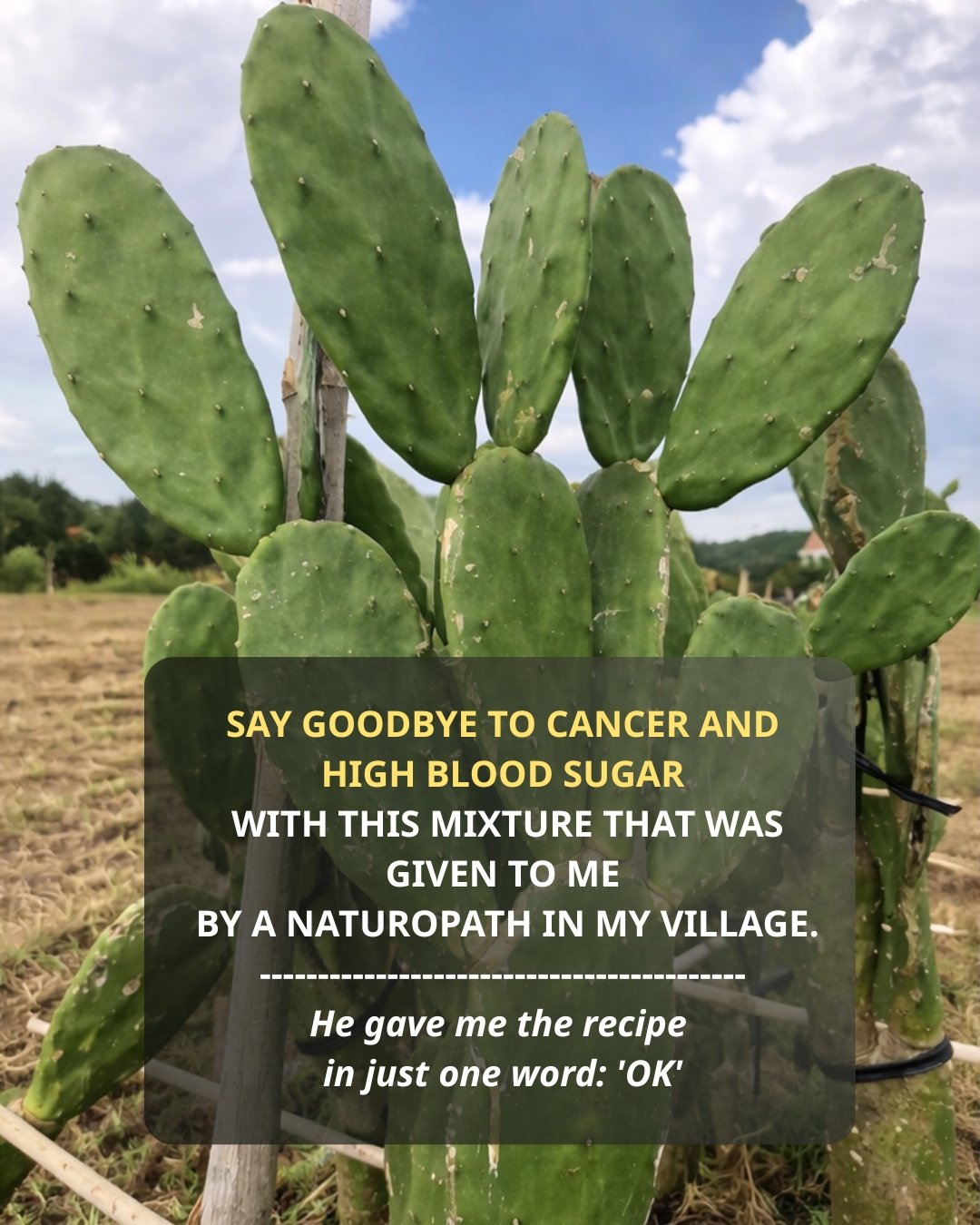
Nopal: The “Desert Miracle” Cactus and Its Potential Health Benefits
Nopal, also known as prickly pear cactus, is a traditional plant widely consumed across Latin America—especially in Mexico. Its flat pads, called cladodes, have been used in cooking and traditional medicine for centuries.
In recent years, this cactus has gained global attention thanks to its impressive nutritional profile and potential health benefits.
In this article, you’ll learn what nopal is, its nutritional components, potential health benefits, and common ways to consume it.
What Is Nopal?
Nopal belongs to the Opuntia genus, with Opuntia ficus-indica being the most well-known species. It thrives in hot, dry climates and is characterized by thick, fleshy pads that store water.
The most commonly used parts include:
- Pads (cladodes): Consumed as a vegetable
- Fruit (tuna): Sweet and edible
- Juice or extract: Used in natural beverages
In Mexican cuisine, young pads are known as nopales. They are commonly added to salads, soups, smoothies, or cooked dishes.
Nutritional Value of Nopal
Nopal is considered a nutrient-dense food, rich in essential vitamins, minerals, and fiber.
Key nutrients include:
- Soluble and insoluble fiber
- Calcium
- Iron
- Potassium
- Vitamins A, C, and B-complex
- Natural antioxidants
These nutrients support various vital functions in the body.
Potential Health Benefits of Nopal
1. May Help Regulate Blood Sugar
Some studies suggest that nopal may help reduce post-meal blood sugar spikes due to its high fiber content.
For this reason, it is often included in diets aimed at managing blood glucose levels.
2. Supports Digestive Health
Nopal contains fiber that may help:
- Improve bowel movement
- Reduce constipation
- Support gut health
Fiber also promotes a feeling of fullness, which may aid in weight management.
3. May Contribute to Heart Health
Preliminary research indicates that nopal may help:
- Lower cholesterol levels
- Improve fat metabolism
- Support cardiovascular health
However, more studies are needed to confirm these effects.
4. Rich in Antioxidants
Nopal contains antioxidants that help combat free radicals associated with aging and chronic diseases.
These compounds may:
- Reduce inflammation
- Protect cells from damage
- Support the immune system
5. May Support Bone Health
Nopal can provide a good amount of calcium, an essential mineral for maintaining strong bones and teeth.
This makes it a suitable option for people who consume less dairy.
How to Eat Nopal
Nopal can be incorporated into your daily diet in several ways:
- Grilled or cooked as a vegetable
- In nopales salads
- Blended into juices or green smoothies
- Added to soups and traditional dishes
It has a mildly tangy flavor, and its texture is similar to okra when cooked.
Possible Side Effects
While generally safe when consumed as food, some people may experience mild side effects such as:
- Digestive discomfort
- Mild diarrhea
- Bloating
People with diabetes should be cautious, as nopal may affect blood sugar levels.
Conclusion
Nopal is a traditional plant widely consumed in Latin America and increasingly popular worldwide. Thanks to its rich content of fiber, vitamins, and antioxidants, it may offer several health benefits, including improved digestion, blood sugar regulation, and heart health support.
When included as part of a balanced diet, nopal can be a natural and nutritious way to enhance overall well-being.