
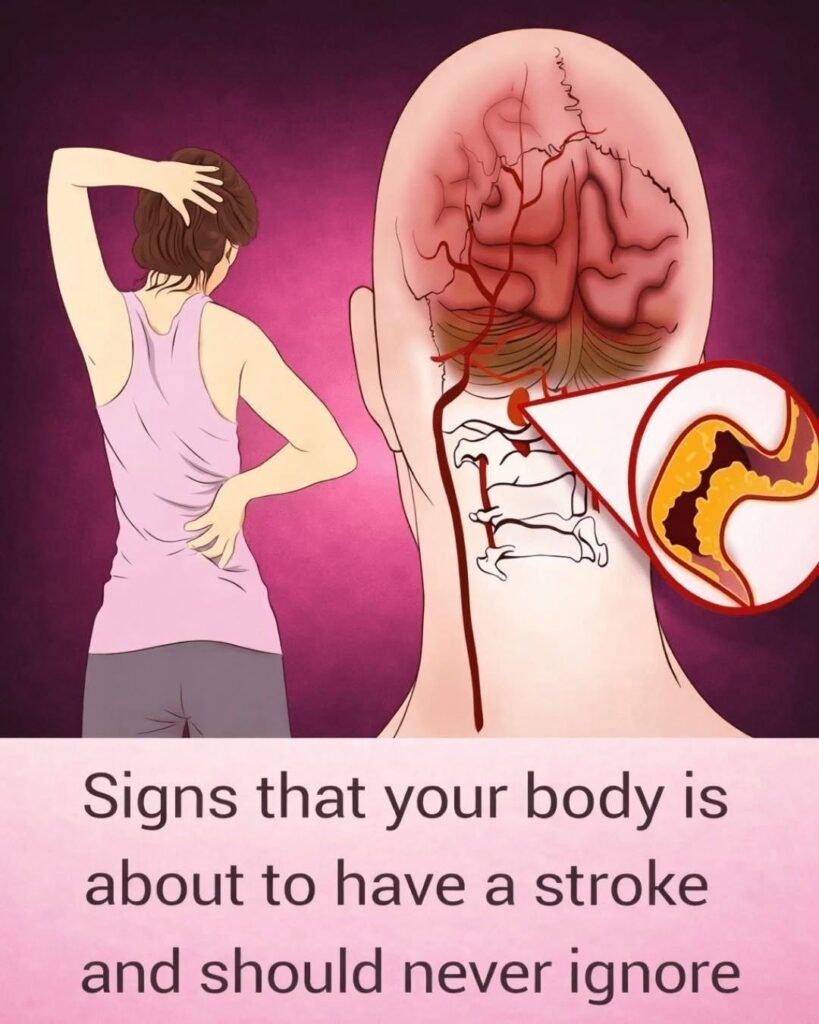
10 Early Warning Signs of a Stroke Everyone Should Know
A stroke is a medical emergency that occurs when blood flow to part of the brain is interrupted or significantly reduced. Without oxygen and nutrients, brain cells begin to die within minutes. Recognizing the early warning signs of a stroke and seeking immediate medical care can greatly improve recovery and reduce the risk of permanent disability.
Knowing these symptoms could help save your life or the life of someone you love.
What Is a Stroke?
A stroke happens when a blood vessel supplying the brain becomes blocked or bursts. Because brain tissue depends on a constant supply of oxygen-rich blood, any interruption can quickly cause damage. Healthcare professionals often say, “Time is brain,” emphasizing the importance of getting emergency treatment as soon as symptoms appear.
1. Sudden Weakness or Numbness
One of the most common signs of a stroke is sudden weakness or numbness, especially on one side of the body. You may notice difficulty moving an arm or leg, numbness in the face, or an unusual feeling that one side of the body is not functioning normally.
2. Facial Drooping
A stroke may cause one side of the face to droop or become numb. If a person smiles and one side of the mouth does not rise evenly, it could be an important warning sign that requires immediate medical attention.
3. Trouble Speaking or Understanding Speech
Difficulty speaking is another major symptom. A person may slur their words, struggle to form sentences, use incorrect words, or have difficulty understanding what others are saying. Even if these symptoms improve quickly, emergency evaluation is still essential.
4. Sudden Vision Problems
A stroke can affect eyesight without causing pain. Symptoms may include blurred vision, double vision, partial vision loss, or sudden blindness in one eye. Any unexpected change in vision should be treated as a medical emergency.
5. Severe Headache
A sudden, intense headache unlike any you’ve experienced before may signal certain types of stroke, particularly if it is accompanied by nausea, vomiting, dizziness, confusion, or changes in vision.
6. Loss of Balance or Coordination
Unexpected dizziness, difficulty walking, loss of coordination, or unexplained falls may occur when a stroke affects areas of the brain responsible for balance and movement.
7. Confusion or Difficulty Thinking Clearly
Some people experiencing a stroke become suddenly confused or have trouble understanding simple instructions. They may appear disoriented, forget familiar information, or have difficulty making decisions.
8. Sudden Difficulty Swallowing
Although less commonly recognized, difficulty swallowing can occur during a stroke. This symptom increases the risk of choking and should be evaluated immediately by healthcare professionals.
9. Sudden Fatigue or Weakness
Some individuals, particularly women, may experience sudden unexplained fatigue or generalized weakness before or during a stroke. While fatigue alone does not confirm a stroke, it should not be ignored when combined with other symptoms.
10. Sudden Loss of Consciousness
In severe cases, a stroke may cause fainting, collapse, or loss of consciousness. This requires immediate emergency medical treatment.
Remember the FAST Method
A simple way to recognize stroke symptoms is the FAST method:
- F – Face: Ask the person to smile. Does one side droop?
- A – Arms: Ask them to raise both arms. Does one arm drift downward?
- S – Speech: Ask them to repeat a simple sentence. Is their speech slurred or difficult to understand?
- T – Time: If you notice any of these signs, call emergency services immediately. Every minute counts.
Who Is at Greater Risk?
Several factors can increase the likelihood of having a stroke, including:
- High blood pressure
- Diabetes
- High cholesterol
- Heart disease
- Smoking
- Obesity
- Physical inactivity
- Excessive alcohol consumption
- Family history of stroke
- Increasing age
Managing these risk factors through regular medical checkups and healthy lifestyle habits can help reduce stroke risk.
Frequently Asked Questions
Can stroke symptoms disappear?
Yes. Temporary symptoms may occur during a transient ischemic attack (TIA), often called a “mini-stroke.” Even if symptoms disappear, immediate medical evaluation is necessary because a TIA can be a warning sign of a future stroke.
Can young adults have a stroke?
Yes. Although strokes are more common in older adults, they can occur at any age, including in younger adults and children.
What should I do if I suspect someone is having a stroke?
Call emergency services immediately. Do not wait to see if the symptoms improve. Early treatment can significantly reduce brain damage and improve recovery.
Final Thoughts
A stroke is a life-threatening medical emergency, but early recognition and prompt treatment can make a significant difference. Sudden weakness, facial drooping, speech difficulties, vision changes, severe headaches, balance problems, and confusion should never be ignored. Learning the warning signs and acting quickly may help save a life and improve long-term outcomes.