
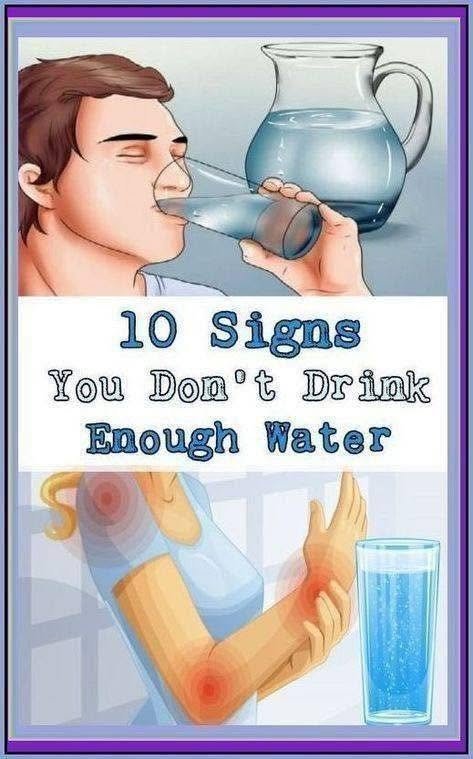
10 Warning Signs You’re Not Drinking Enough Water: Why Staying Hydrated Is Essential for Your Health
Water is one of the most important nutrients your body needs every day. Nearly every organ depends on proper hydration to function efficiently. From regulating body temperature to supporting digestion, circulation, and brain function, drinking enough water is essential for maintaining overall health. Unfortunately, many people don’t realize they’re dehydrated until symptoms become noticeable.
Below are 10 common warning signs that may indicate you’re not drinking enough water and why staying hydrated should be a daily priority.
1. Constant Thirst and Dry Mouth
One of the earliest signs of dehydration is persistent thirst or a dry, sticky mouth. When your body lacks enough fluids, it signals your brain to encourage you to drink more water. Ignoring this signal can lead to worsening dehydration.
2. Feeling Tired or Low on Energy
Dehydration reduces blood volume, making your heart work harder to deliver oxygen and nutrients throughout your body. This often results in fatigue, weakness, and reduced energy levels, even after getting enough sleep.
3. Dry or Dull Skin
Healthy skin relies on adequate hydration. When you don’t drink enough water, your skin may become dry, flaky, rough, and lose its natural glow. Proper hydration helps maintain skin elasticity and supports a healthy complexion.
4. Frequent Headaches
Not drinking enough water can reduce blood flow and oxygen delivery to the brain. This may trigger headaches or even migraines in some individuals. Drinking water regularly may help reduce dehydration-related headaches.
5. Constipation and Poor Digestion
Water plays an important role in digestion. Without enough fluids, the colon absorbs extra water from waste, making stools harder and more difficult to pass. Staying hydrated helps promote regular bowel movements and supports digestive health.
6. Increased Risk of Kidney Stones
Your kidneys rely on water to remove waste products from the body. Chronic dehydration can lead to concentrated urine, increasing the risk of developing painful kidney stones. Drinking enough water helps keep the kidneys functioning properly.
7. Urinary Tract Infections (UTIs)
Proper hydration helps flush bacteria from the urinary tract. When fluid intake is low, bacteria can multiply more easily, increasing the likelihood of urinary tract infections.
8. Difficulty Concentrating
Even mild dehydration can affect brain function. You may notice poor concentration, slower thinking, memory problems, or difficulty staying focused throughout the day. Drinking enough water supports mental clarity and cognitive performance.
9. Muscle Cramps
Water and electrolytes work together to keep muscles functioning normally. When hydration levels drop, muscles may contract involuntarily, leading to painful cramps and spasms, especially during or after physical activity.
10. Reduced Exercise Performance
Whether you’re walking, running, or lifting weights, dehydration can negatively affect endurance, strength, and recovery. Adequate water intake supports healthy circulation, regulates body temperature, and helps your muscles perform efficiently during exercise.
Tips to Stay Hydrated Every Day
- Drink water consistently throughout the day instead of waiting until you’re thirsty.
- Carry a reusable water bottle wherever you go.
- Eat water-rich foods like cucumbers, watermelon, oranges, and strawberries.
- Increase your water intake during hot weather or after exercise.
- Limit sugary drinks and excessive caffeine if they replace water consumption.
Final Thoughts
Proper hydration is one of the simplest yet most effective ways to support your overall health. Drinking enough water can improve energy levels, aid digestion, enhance brain function, support healthy skin, and reduce the risk of dehydration-related health problems. Make water a daily habit, listen to your body’s signals, and aim for consistent hydration to help your body perform at its best every day.