
Mouth Cancer: Early Symptoms, Risk Factors, Diagnosis, Treatment, and Prevention
Mouth cancer, also known as oral cancer, is a potentially life-threatening disease that develops in the tissues of the mouth or throat. It can affect the lips, tongue, gums, inner cheeks, roof of the mouth, or floor of the mouth. Although it can occur at any age, the risk increases with age and certain lifestyle factors.
The encouraging news is that mouth cancer is often highly treatable when detected in its early stages. Learning to recognize the warning signs and understanding the major risk factors can help you seek medical care sooner and improve treatment outcomes.
What Is Mouth Cancer?
Oral cancer begins when cells inside the mouth grow uncontrollably and form a tumor. Most cases start in the thin, flat cells lining the mouth, known as squamous cells. Without treatment, the disease can spread to nearby tissues, lymph nodes, and other parts of the body.
Regular dental checkups play an important role in early detection because many cases are discovered during routine oral examinations.
Early Symptoms of Mouth Cancer
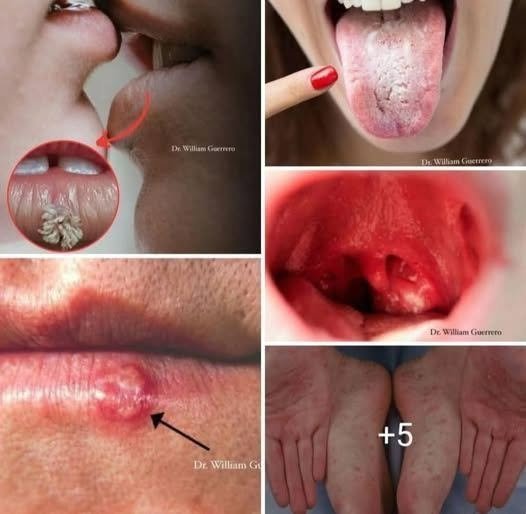
The early signs of mouth cancer are often painless, making them easy to ignore. Common symptoms include:
- A mouth sore or ulcer that does not heal within two weeks
- Red, white, or mixed red-and-white patches inside the mouth
- A lump, thickened area, or swelling on the lips, tongue, or gums
- Pain or difficulty while chewing or swallowing
- Persistent sore throat or hoarseness
- Loose teeth without an obvious dental cause
- Numbness in the lips, tongue, or other parts of the mouth
- Unexplained bleeding or persistent bad breath
- Ear pain that does not appear to be caused by an ear infection
If any of these symptoms last longer than two weeks, schedule an appointment with a dentist or healthcare provider for evaluation.
Common Risk Factors
Several factors can increase the likelihood of developing oral cancer, including:
- Smoking cigarettes, cigars, or pipes
- Using smokeless tobacco products
- Heavy alcohol consumption
- Infection with certain types of human papillomavirus (HPV), particularly HPV-16
- Excessive sun exposure affecting the lips
- Poor nutrition with limited fruit and vegetable intake
- A weakened immune system
- Family history of certain cancers
While these factors increase risk, mouth cancer can also occur in people without any known risk factors.
How Mouth Cancer Is Diagnosed
Diagnosis usually begins with a physical examination of the mouth, throat, and neck. If an abnormal area is found, a biopsy may be performed to determine whether cancer cells are present.
Additional imaging tests, such as CT scans, MRI scans, or PET scans, may be recommended to determine the size of the tumor and whether the cancer has spread.
Treatment Options
Treatment depends on the location and stage of the cancer, as well as the patient’s overall health. Common treatment options include:
- Surgery to remove the cancerous tissue
- Radiation therapy to destroy cancer cells
- Chemotherapy for more advanced disease
- Targeted therapy or immunotherapy in selected cases
- Reconstructive surgery and rehabilitation when necessary
Early-stage mouth cancers generally have a better prognosis and may require less extensive treatment than advanced cases.
Prevention Tips
Although not every case can be prevented, healthy lifestyle choices can significantly reduce your risk:
- Avoid smoking and all tobacco products.
- Limit alcohol consumption.
- Eat a balanced diet rich in fruits and vegetables.
- Practice good oral hygiene.
- Protect your lips from excessive sun exposure by using lip balm with SPF.
- Visit your dentist regularly for routine examinations and oral cancer screening.
- Discuss HPV vaccination with your healthcare provider if appropriate.
Final Thoughts
Mouth cancer is a serious disease, but early detection can make a significant difference. Paying attention to changes inside your mouth, maintaining good oral hygiene, and attending regular dental checkups are simple yet important steps toward protecting your oral health.
If you notice a sore, lump, or patch that does not heal within two weeks, don’t ignore it. Prompt evaluation by a healthcare professional can lead to earlier diagnosis, more effective treatment, and better long-term outcomes.