
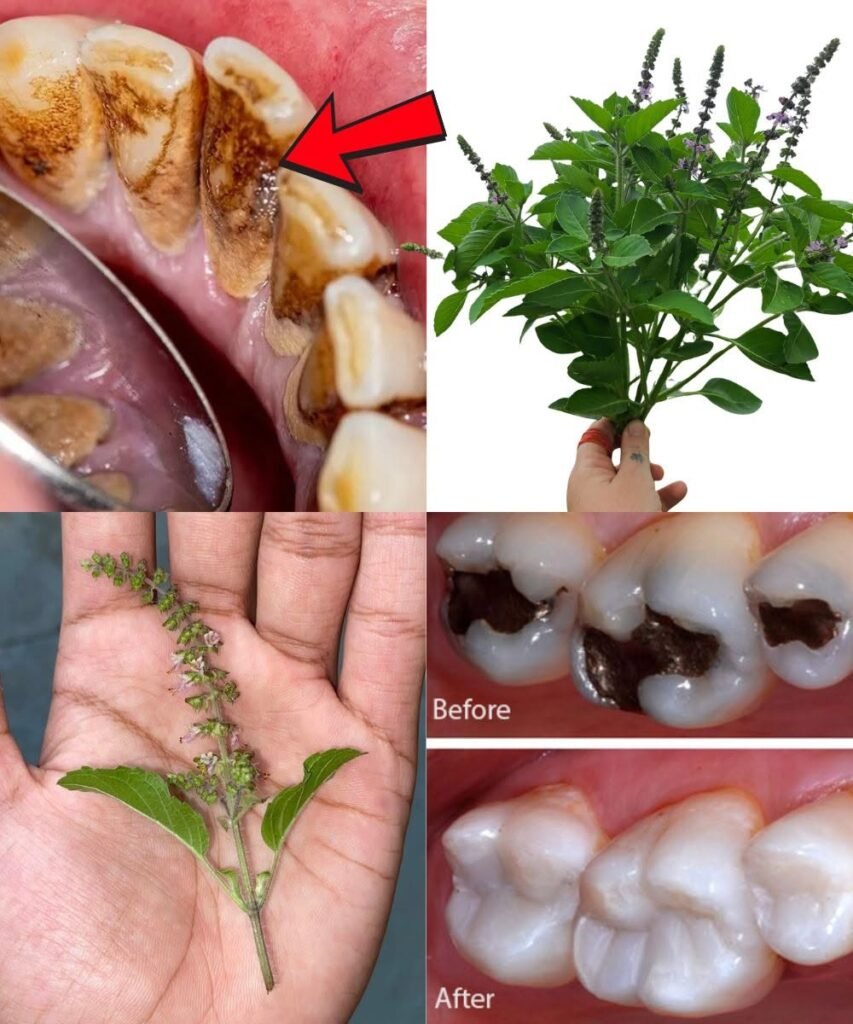
Holy Basil (Tulsi) & Oral Health: What People Traditionally Do
Holy Basil (Tulsi) has been used in traditional practices for oral care. These methods are traditional home practices and are not proven dental treatments.
How People Traditionally Use Tulsi for Mouth Care
Tulsi Leaf Chewing
Some people chew 2–3 fresh, thoroughly washed tulsi leaves in the morning, then rinse their mouth afterward.
Note: Tulsi leaves can be fibrous. People with sensitive gums or mouth irritation may wish to avoid chewing them.
Tulsi Mouth Rinse (Herbal Tea)
How to Prepare:
- Boil 5–6 washed tulsi leaves in 1 cup of water for about 5 minutes.
- Let it cool and strain the liquid.
- Use it as a mouth rinse and spit it out after rinsing.
Tulsi Powder for Oral Care
Some traditional practices involve drying tulsi leaves, grinding them into a fine powder, and mixing them with other herbal powders for occasional use.
Note: Herbal powders may be abrasive and can wear down tooth enamel if used too frequently or with excessive scrubbing.
Tulsi in Oral Care Products
Tulsi extract is also included in some commercial toothpastes and mouthwashes for its flavor and refreshing properties.
What Your Image Claims – Explained
These are common claims shared online and should not be considered proven medical facts.
- Fresh Breath: Tulsi has a pleasant aroma that may help freshen breath temporarily.
- Bacteria: Tulsi contains natural compounds such as eugenol that have shown antibacterial activity in laboratory studies, but this does not prove it treats dental disease in people.
- Cavities & Tartar: Tooth decay, plaque, and tartar cannot be removed or reversed with home remedies. They require professional dental care.
- Gum Health: Good oral hygiene is important, but there is no strong clinical evidence that tulsi alone treats gum disease.
Safety Tips
- See a Dentist: Tooth pain, cavities, swollen gums, or tartar buildup should be evaluated by a dental professional.
- Do Not Delay Treatment: Untreated cavities and gum disease can worsen over time.
- Stop Use if Irritation Occurs: Discontinue use if you experience irritation or an allergic reaction.
- Pregnancy & Medications: Speak with your healthcare provider before using herbal products regularly if you are pregnant, breastfeeding, or taking medications.
- Protect Tooth Enamel: Avoid vigorous scrubbing with herbal powders, as it may damage enamel.
What Actually Helps Oral Health
Dentists commonly recommend:
- Brush twice daily with fluoride toothpaste.
- Floss once a day.
- Visit your dentist regularly for professional cleanings and checkups.
- Limit sugary foods and drinks.
- Drink plenty of water.
Final Disclaimer
This information is provided for educational and informational purposes only. Holy Basil (Tulsi) is a culinary and traditional herb and is not proven to diagnose, treat, cure, or prevent cavities, gum disease, or other dental conditions. If you have dental pain, bleeding gums, or tooth decay, consult a qualified dentist for proper evaluation and treatment.