
Frequent Drooling During Sleep: 6 Possible Health Conditions You Shouldn’t Ignore
Meta Title: Frequent Drooling During Sleep: Causes, Symptoms & When to See a Doctor
Meta Description: Learn why you may drool while sleeping, the health conditions that can contribute to it, and when it’s time to seek medical advice.
Introduction
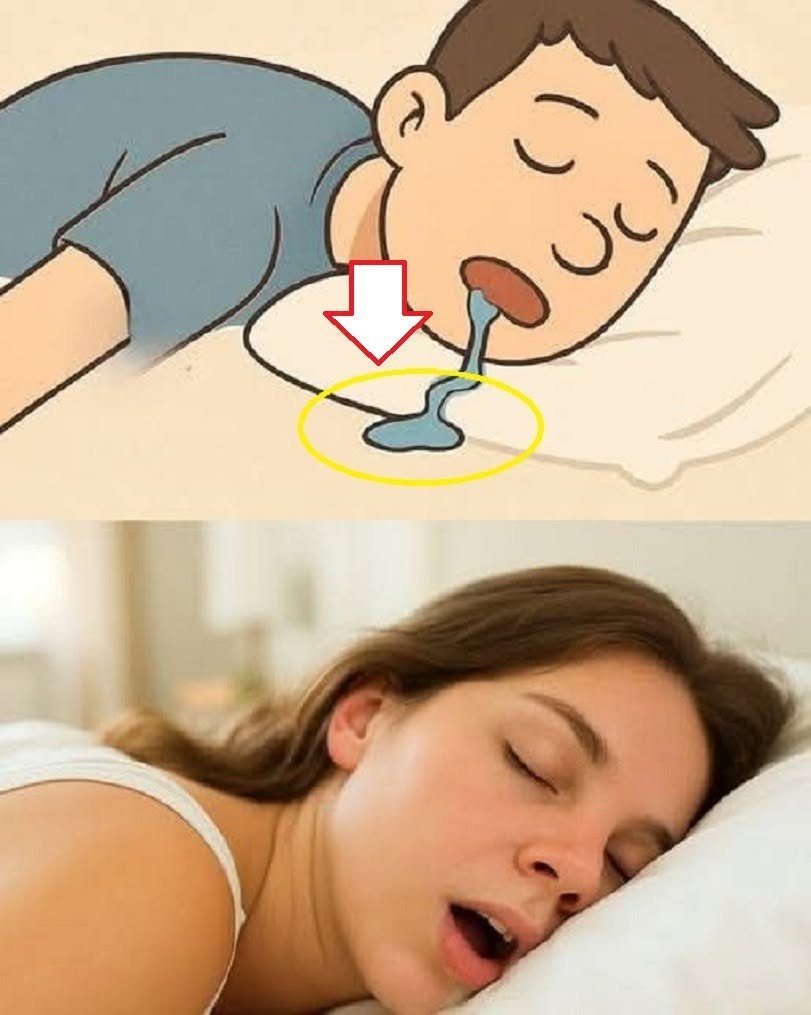
Waking up with a damp pillow every once in a while is usually nothing to worry about. During deep sleep, your swallowing reflex naturally slows, allowing saliva to collect in the mouth. If you’re sleeping on your side or breathing through your mouth, some saliva may escape.
However, if nighttime drooling becomes frequent or starts suddenly, it may be worth discussing with a healthcare professional. While many cases are harmless, persistent drooling can sometimes be linked to an underlying medical condition.
What Causes Drooling During Sleep?
Saliva helps keep the mouth moist, supports digestion, and protects oral tissues. Normally, you swallow saliva without thinking. During sleep, swallowing happens less often, especially during deep sleep, allowing saliva to build up.
Common non-medical causes include:
- Sleeping on your side or stomach
- Nasal congestion from a cold or allergies
- Mouth breathing
- Deep sleep
- Pregnancy-related hormonal changes
- Certain medications
1. Obstructive Sleep Apnea
Obstructive sleep apnea (OSA) is one of the most common medical reasons for excessive drooling during sleep. This condition causes repeated pauses in breathing because the airway becomes partially or completely blocked.
Common Symptoms
- Loud snoring
- Waking up gasping for air
- Morning headaches
- Excessive daytime sleepiness
- Dry mouth after waking
- Poor concentration
Sleeping with the mouth open due to airway obstruction may allow saliva to leak onto the pillow.
2. Allergies or Chronic Nasal Congestion
A blocked nose often forces people to breathe through their mouth while sleeping.
Signs May Include
- Stuffy nose
- Sneezing
- Itchy eyes
- Postnasal drip
- Snoring
Treating allergies or chronic congestion may reduce mouth breathing and nighttime drooling.
3. Gastroesophageal Reflux Disease (GERD)
GERD occurs when stomach acid flows back into the esophagus. In response, the body may produce extra saliva to help protect the throat and neutralize acid.
Other Symptoms
- Heartburn
- Sour taste in the mouth
- Chronic cough
- Hoarseness
- Difficulty swallowing
4. Neurological Disorders
Certain neurological conditions can affect the muscles and nerves responsible for swallowing saliva.
Conditions that may contribute include:
- Parkinson’s disease
- Stroke
- Multiple sclerosis (MS)
- Amyotrophic lateral sclerosis (ALS)
- Cerebral palsy
If drooling is accompanied by facial weakness, slurred speech, or trouble swallowing, seek medical evaluation promptly.
5. Medication Side Effects
Some prescription medications may increase saliva production or interfere with normal swallowing.
Examples include certain:
- Sedatives
- Antipsychotic medications
- Muscle relaxants
- Alzheimer’s medications
Never stop taking prescribed medication without first consulting your healthcare provider.
6. Dental or Oral Health Problems
Problems affecting the mouth can also contribute to excess saliva.
Possible causes include:
- Gum disease
- Oral infections
- Poorly fitting dentures
- Braces or retainers
- Mouth sores
Regular dental checkups can help identify and treat many of these issues.
Tips to Reduce Nighttime Drooling
If no serious medical condition is found, these habits may help:
- Sleep on your back if comfortable.
- Treat nasal congestion or seasonal allergies.
- Stay well hydrated.
- Avoid large meals close to bedtime if you have acid reflux.
- Maintain good oral hygiene.
- Visit your dentist regularly.
When Should You See a Doctor?
Arrange a medical evaluation if you notice:
- A sudden increase in drooling
- Loud snoring with daytime fatigue
- Difficulty swallowing
- Changes in speech or facial movement
- Frequent choking episodes
- Unexplained weight loss
- Persistent symptoms that don’t improve
Frequently Asked Questions
Is drooling while sleeping always a sign of illness?
No. Occasional drooling is common and usually harmless, especially if you sleep on your side or have temporary nasal congestion.
Can sleep apnea cause excessive drooling?
Yes. Mouth breathing caused by obstructive sleep apnea may increase nighttime drooling.
Can allergies make me drool more?
Yes. Nasal congestion from allergies often leads to mouth breathing, which can contribute to drooling.
Should I worry if drooling suddenly starts?
A new or persistent change deserves medical attention, particularly if it occurs with snoring, swallowing problems, weakness, or other concerning symptoms.
Final Thoughts
Drooling during sleep is often a normal part of the body’s natural sleep process. However, frequent or excessive drooling can sometimes signal an underlying condition such as sleep apnea, allergies, acid reflux, medication side effects, or neurological disorders. Paying attention to changes in your symptoms and seeking medical advice when necessary can help identify treatable conditions and support better sleep, oral health, and overall well-being.