
Papaya Sap: What It Is + What People Traditionally Note About It
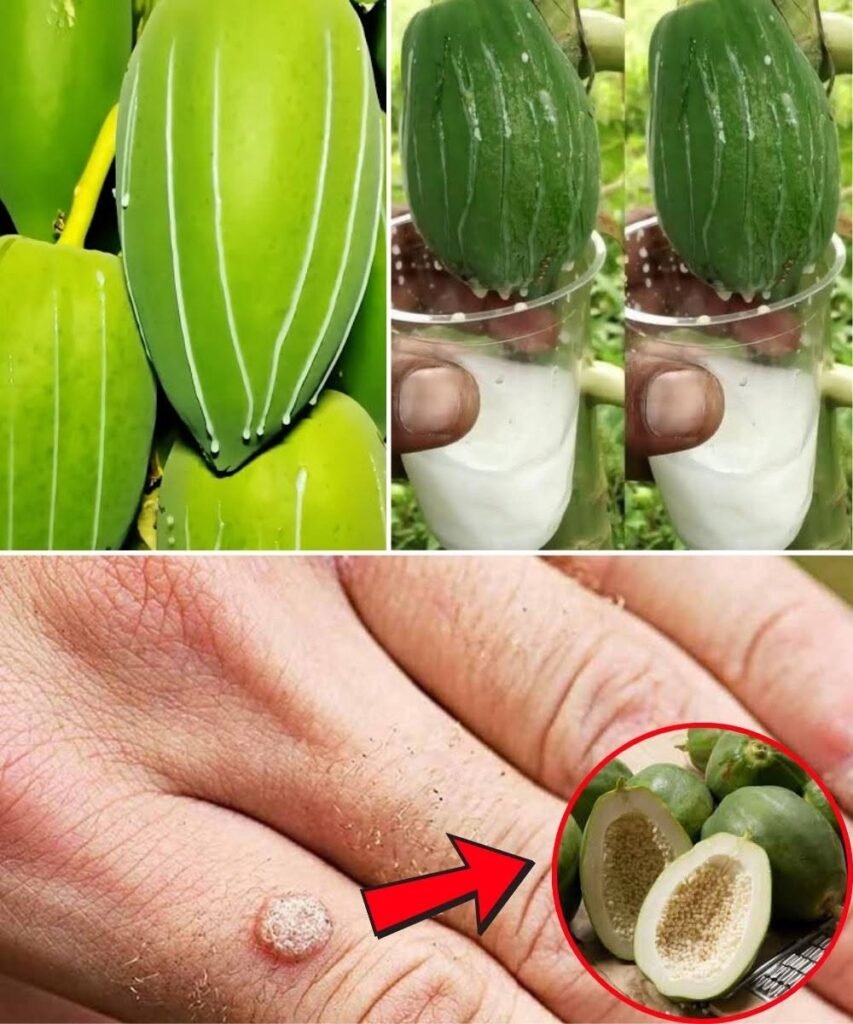
- Unripe green papayas with shallow cuts allowing white latex (papaya sap) to drip out.
- Freshly collected papaya latex in a container.
- The outer skin of green papayas, illustrating where the latex comes from.
Papaya sap (also called papaya latex) is different from the ripe papaya fruit that is commonly eaten.
5 Things People Commonly Note About Papaya Sap
1. It Comes From Unripe Papayas
Papaya latex is most abundant in green, unripe papayas. As the fruit ripens, the amount of latex decreases significantly.
2. It Contains Papain
Papaya latex naturally contains papain, an enzyme that is also used in some food-processing applications, such as meat tenderizers, and in certain cosmetic and personal care products manufactured under controlled conditions.
3. It Has a History of Traditional Use
In some cultures, papaya latex has been mentioned in traditional folk practices. These practices vary by region and tradition and do not establish that the sap is safe or effective for any particular purpose.
4. It Is Used in Some Commercial Products
Papain extracted from papaya latex is used in certain commercial products after processing and quality control. These products differ from raw papaya sap collected directly from the fruit.
5. Raw Papaya Sap Can Be Irritating
Fresh papaya latex can irritate the skin and may cause allergic reactions in some people. Wearing gloves and avoiding unnecessary skin contact is recommended when handling it.
Traditional Collection
Traditionally, papaya latex has been collected by:
- Making shallow cuts in the skin of an unripe green papaya while it is still on the tree.
- Allowing the white latex to drip into a clean container.
- Processing or drying the latex for later use in some traditional or commercial contexts.
This description is provided for educational purposes and should not be interpreted as a recommendation to collect or use papaya sap.
Safety Information
- Do not consume raw papaya sap unless specifically directed by a qualified professional.
- Avoid direct skin contact if you have sensitive skin or a latex or papaya allergy.
- If you develop redness, burning, itching, or swelling after contact, discontinue use and seek medical advice.
- If you are pregnant or breastfeeding, consult a healthcare professional before exposure to or use of papaya latex.
- Keep raw papaya sap out of reach of children and pets.
Remember that raw papaya latex is different from ripe papaya fruit. The ripe fruit is commonly eaten as food, while the raw latex requires careful handling.
Disclaimer
This information is provided for educational purposes only. It describes characteristics and traditional associations of papaya sap and should not be interpreted as medical advice or evidence that it is safe or effective for any health-related use. If you have a skin condition or other health concern, consult a licensed healthcare professional.