
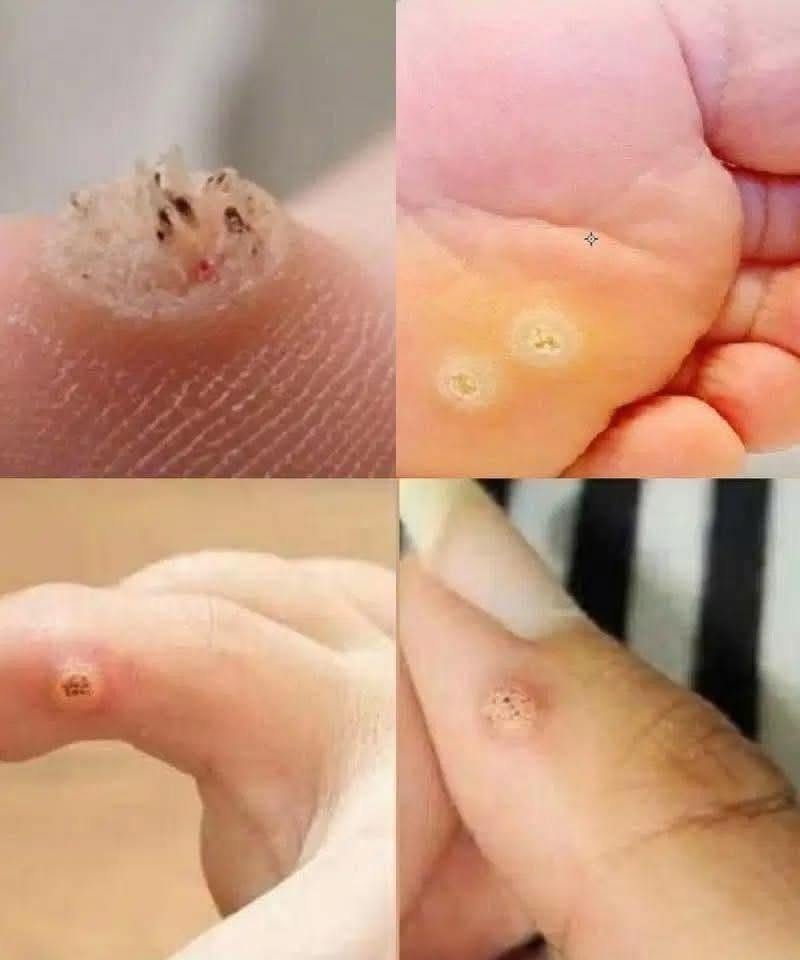
Apple Cider Vinegar for Warts: Can This Natural Remedy Really Help?
Warts are one of the most common skin concerns, affecting millions of people worldwide. Although they are usually harmless, these small, rough growths can be frustrating, especially when they appear on the hands, feet, face, or other visible areas. Because professional wart removal treatments can be expensive, many people search for natural remedies they can try at home. One of the most popular options is apple cider vinegar (ACV).
But does it actually work?
While scientific research is limited, many people claim that consistent use of apple cider vinegar helped reduce or remove their warts. Here’s what you should know before trying this home remedy.
What Causes Warts?
Warts are caused by the Human Papillomavirus (HPV), a group of viruses that infect the outer layer of the skin. The virus enters through tiny cuts or cracks and causes skin cells to grow rapidly, forming a raised bump.
Common types of warts include:
- Common warts: Usually found on fingers and hands.
- Plantar warts: Develop on the soles of the feet.
- Flat warts: Smaller and smoother, often appearing on the face or legs.
- Filiform warts: Long, narrow warts that typically grow around the eyes, nose, or mouth.
Some warts disappear naturally within months or years, while others may require treatment.
Why Is Apple Cider Vinegar So Popular?
Apple cider vinegar contains acetic acid, a natural acid believed to help break down hardened skin tissue.
Many users believe that ACV works by:
- Softening thick wart tissue
- Helping remove layers of infected skin
- Creating an acidic environment that may discourage the virus
- Drying out the wart over time
Although there isn’t enough scientific evidence to confirm these effects, thousands of people continue to use ACV as an inexpensive home remedy.
How to Use Apple Cider Vinegar on a Wart
If you decide to try this method, follow these simple steps:
You’ll Need
- Raw apple cider vinegar
- Cotton ball or cotton pad
- Medical tape or adhesive bandage
- Mild soap and warm water
Step-by-Step Instructions
Step 1: Wash the affected area with warm water and gentle soap. Dry the skin completely.
Step 2: Soak a small piece of cotton in apple cider vinegar. It should be damp but not dripping.
Step 3: Place the cotton directly on the wart.
Step 4: Secure it with medical tape or a bandage.
Step 5: Leave it on for several hours or overnight.
Step 6: Remove the bandage in the morning and rinse the area thoroughly.
Repeat this process once daily for several weeks if your skin tolerates it well.
What Results Can You Expect?
If the treatment is effective, you may notice:
- The wart becoming darker
- Dry or peeling skin
- Formation of a small scab
- Gradual shrinking
- The wart eventually falling off
Results vary from person to person. Some people report improvement within two weeks, while others may need a month or longer. In some cases, the treatment may not work at all.
Possible Side Effects
Although apple cider vinegar is a natural product, it is highly acidic and may cause skin irritation.
Possible side effects include:
- Burning sensation
- Redness
- Dry or peeling skin
- Mild pain
- Skin discoloration
People with sensitive skin should use extra caution.
Tips to Reduce Irritation
- Dilute the vinegar with equal parts water if irritation occurs.
- Apply petroleum jelly around the wart to protect healthy skin.
- Stop treatment if severe pain or blistering develops.
- Never apply ACV to open wounds or bleeding skin.
When Should You See a Doctor?
Home remedies are not appropriate for every wart.
Seek medical advice if:
- The wart bleeds frequently.
- It becomes very painful.
- Multiple new warts appear quickly.
- You notice signs of infection such as pus or swelling.
- The wart changes color or shape unexpectedly.
- You have diabetes, poor circulation, or a weakened immune system.
Professional evaluation is especially important for facial or genital warts.
Medical Treatments That Actually Work
If apple cider vinegar doesn’t help, several medically approved treatments are available.
These include:
- Salicylic acid treatments that gradually remove infected skin.
- Cryotherapy, which freezes the wart with liquid nitrogen.
- Prescription creams to stimulate the immune system.
- Laser therapy for stubborn or recurring warts.
- Minor surgical removal in difficult cases.
A dermatologist can recommend the best option based on the wart’s location and size.
Can You Prevent Warts?
Because HPV spreads through direct skin contact and contaminated surfaces, prevention is important.
Helpful habits include:
- Wear flip-flops in public showers and locker rooms.
- Avoid touching other people’s warts.
- Do not share towels, razors, or nail clippers.
- Keep cuts and scrapes clean and covered.
- Wash your hands regularly.
- Avoid picking at existing warts, which can spread the virus.
A healthy immune system also plays an important role in helping your body fight HPV naturally.
Frequently Asked Questions
Does apple cider vinegar kill HPV?
There is no strong scientific evidence that apple cider vinegar kills the HPV virus. It may help remove wart tissue, but it does not eliminate the virus from the body.
How long does it take to remove a wart?
Some people notice changes within one to four weeks, while others may need longer. Results vary widely.
Is apple cider vinegar safe for children?
Parents should consult a healthcare professional before using acidic home remedies on children because their skin is more sensitive.
Can warts come back?
Yes. Even after successful treatment, HPV may remain in the skin, allowing new warts to develop later.
Final Thoughts
Apple cider vinegar remains one of the most widely used home remedies for wart removal because it is inexpensive, easy to find, and simple to apply. While many users report positive results, scientific evidence supporting its effectiveness is still limited.
If you decide to try this natural remedy, use it carefully, monitor your skin for irritation, and stop if significant discomfort develops. For persistent, painful, or spreading warts, professional medical treatment remains the safest and most effective option.
Healthy skin starts with proper care, patience, and knowing when it’s time to seek expert advice.