
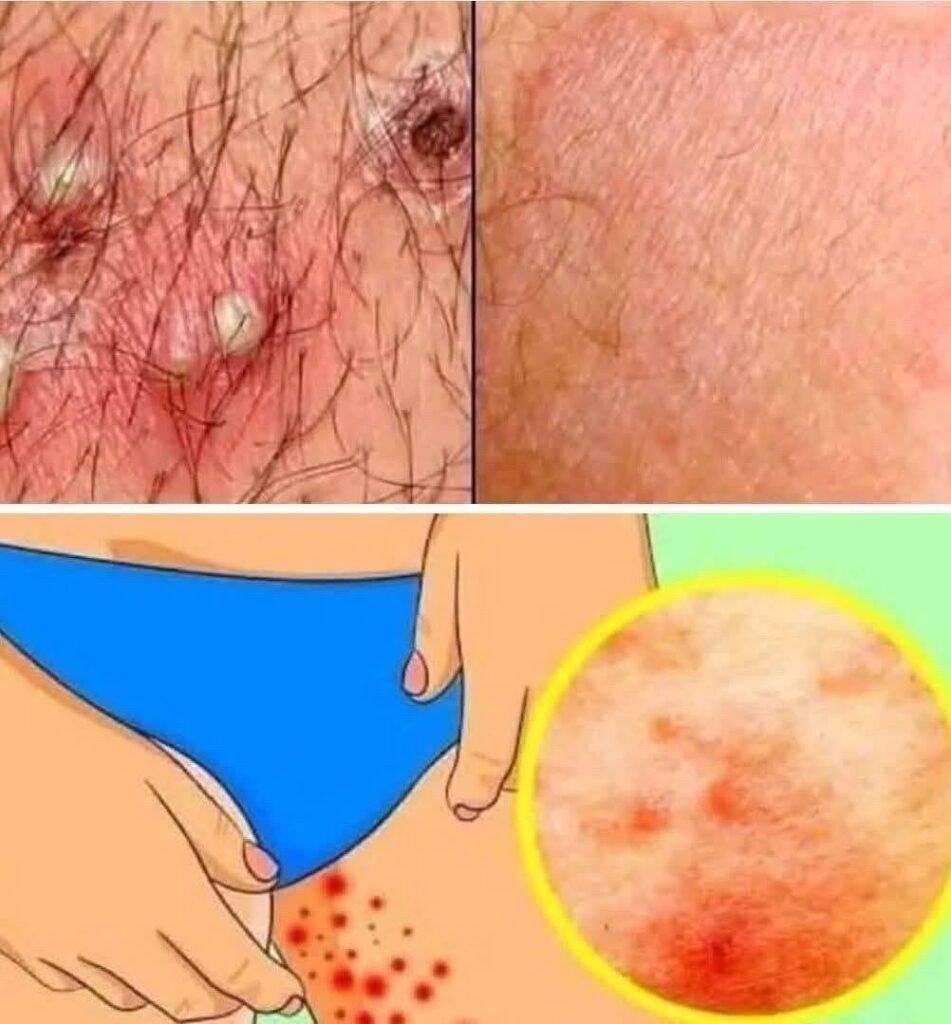
Painful Bump in the Groin? One Common Cause Many People Overlook
A Small Lump That Can Cause Big Anxiety
Finding a painful or unusual bump in the groin area can be alarming. It often appears suddenly and may feel tender, itchy, or slightly swollen. Because this is a sensitive region, it’s natural for people to worry about what it could mean.
In many cases, however, groin bumps are not dangerous. One of the most common and often overlooked causes is an ingrown hair, a minor skin condition that affects people of all ages.
Understanding the possible causes, symptoms, and safe care options can help reduce unnecessary stress and guide you toward proper healing.
Why the Groin Area Is More Sensitive
The groin region is especially prone to irritation due to daily physical conditions that affect the skin.
Common contributing factors include:
- Heat and sweating
- Constant friction from walking or movement
- Tight underwear or clothing
- Shaving or hair removal practices
- Exercise-related rubbing
- Moist environments that encourage irritation
Because the skin here is delicate, even mild irritation can lead to visible bumps, redness, or discomfort.
What Is an Ingrown Hair?
An ingrown hair occurs when a hair grows back into the skin instead of rising outward normally. This causes the body to react as if the hair is a foreign object.
As a result, the area may become:
- Red and inflamed
- Slightly swollen
- Tender or painful to touch
- Itchy or irritated
- Form a small bump similar to a pimple
In some cases, a trapped hair may even be visible under the skin.
Ingrown hairs are especially common after shaving, waxing, or wearing tight clothing that causes friction.
Common Symptoms of an Ingrown Hair
While symptoms can vary, typical signs include:
- A small, raised bump in the groin area
- Mild pain or sensitivity
- Localized redness
- Itching or discomfort
- A dark spot or visible hair trapped under the skin
Most ingrown hairs are harmless and improve naturally within a few days to a week.
However, irritation may worsen if the area is repeatedly touched or improperly treated.
The Most Common Mistake People Make
One of the biggest mistakes is trying to squeeze or pick the bump.
This can lead to:
- Increased inflammation
- Higher risk of bacterial infection
- Delayed healing
- Scarring or dark marks
- More pain and irritation
Even though it may look similar to a pimple, treating it aggressively can make the condition worse.
Safe Ways to Help an Ingrown Hair Heal
Most ingrown hairs improve with simple at-home care.
1. Warm Compress
Applying warmth helps soften the skin and may allow the trapped hair to move closer to the surface.
How to use:
- Soak a clean cloth in warm water
- Apply to the area for 10–15 minutes
- Repeat 2–3 times daily
2. Gentle Exfoliation
Mild exfoliation can help remove dead skin cells that may block the hair follicle.
Use a soft washcloth or gentle exfoliating product, but avoid harsh scrubbing, which can worsen irritation.
3. Wear Loose Clothing
Tight clothing increases friction, which can delay healing.
Choosing breathable fabrics like cotton may help reduce discomfort and support recovery.
4. Pause Hair Removal
If shaving or waxing contributed to the issue, temporarily avoiding hair removal can help the skin recover.
Once healed, using proper shaving techniques may reduce future ingrown hairs.
When You Should Seek Medical Advice
While most ingrown hairs are harmless, medical attention may be needed if you notice:
- Increasing pain or swelling
- Pus or signs of infection
- Fever or general illness
- A lump that does not improve after several days
- Recurrent or worsening bumps
A healthcare professional can rule out infections or other skin conditions if needed.
How to Prevent Ingrown Hairs in the Future
Prevention is often simple and based on daily habits:
- Use a clean, sharp razor when shaving
- Shave in the direction of hair growth
- Avoid tight clothing after hair removal
- Keep the skin clean and moisturized
- Exfoliate gently once or twice a week
- Avoid excessive shaving of sensitive areas
Small changes in routine can significantly reduce recurrence.
Final Thoughts
A painful groin bump can be worrying, but in many cases, it has a simple explanation—such as an ingrown hair. This common condition is usually harmless and improves with gentle care, patience, and basic hygiene practices.
Avoid squeezing or irritating the area, as this often makes symptoms worse. Instead, focus on warm compresses, loose clothing, and giving the skin time to heal.
If symptoms persist or worsen, seeking professional medical advice is always the safest choice.
Understanding your body helps reduce fear and supports better skin health in the long run.