
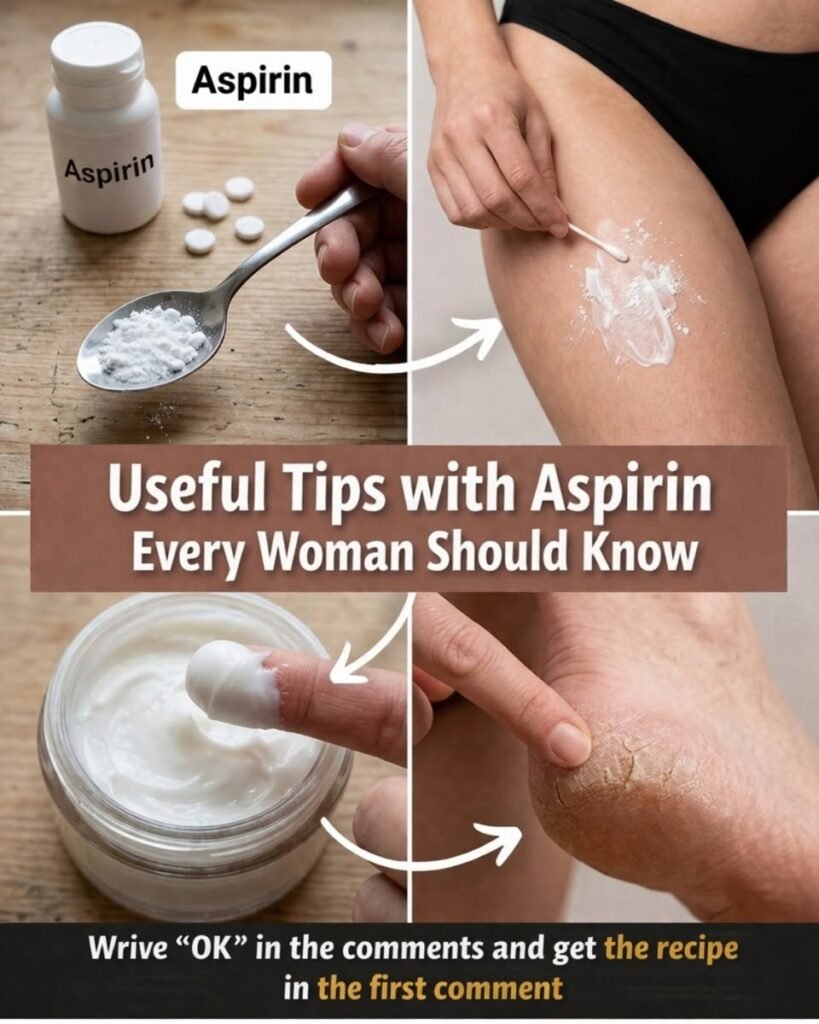
# 5 Surprising Uses of Aspirin for Skin Care: Benefits, DIY Recipes, Safety Tips, and What to Know
## Can Aspirin Be Used in a Skin Care Routine?
Most people recognize aspirin as a common over-the-counter medication used to relieve pain, reduce fever, and help manage inflammation. However, over the years, aspirin has also become a popular ingredient in many DIY beauty routines because it contains **acetylsalicylic acid**, a compound related to salicylic acid, which is widely used in professional skincare products.
Although topical aspirin remedies are popular online, scientific evidence supporting these homemade treatments is limited. They should never replace dermatologist-recommended skincare or medical treatment for skin conditions. When used carefully and occasionally, however, some people find aspirin-based masks and pastes helpful for gentle exfoliation and improving the appearance of the skin.
## Why Is Aspirin Used in DIY Skin Care?
When dissolved in water, aspirin may provide mild exfoliating effects that help remove dead skin cells from the skin’s surface. This can leave the skin feeling smoother and looking brighter.
Some people also use aspirin because it may help:
* Gently exfoliate rough skin.
* Improve the appearance of dull skin.
* Temporarily reduce the appearance of redness around occasional blemishes.
* Support smoother-looking skin texture.
* Refresh tired-looking skin.
Individual results vary, and people with sensitive skin should be especially cautious.
## 1. DIY Aspirin Mask for Smoother Skin
One of the most common home beauty treatments is a simple aspirin face mask.
### Ingredients
* 3–4 uncoated aspirin tablets
* 1 teaspoon plain yogurt or honey
* A few drops of water
### How to Prepare
1. Crush the aspirin tablets into a fine powder.
2. Add a few drops of water until slightly dissolved.
3. Mix with yogurt or honey.
4. Apply a thin layer to clean skin, avoiding the eyes and lips.
5. Leave on for 10–15 minutes.
6. Rinse with lukewarm water and apply moisturizer.
Some people notice softer-feeling skin after occasional use.
## 2. Aspirin Paste for Rough Heels
Dry, cracked heels can benefit from gentle exfoliation combined with proper moisturizing.
### Ingredients
* 5 aspirin tablets
* A small amount of water
* A few drops of lemon juice (optional)
### Instructions
1. Crush the tablets.
2. Mix into a thick paste.
3. Apply to clean heels.
4. Cover with a warm towel for about 15 minutes.
5. Rinse and gently remove softened skin with a pumice stone.
6. Finish with a rich foot cream.
Regular moisturizing remains the most important step for healthy feet.
## 3. Spot Treatment for Occasional Blemishes
Some people apply a small amount of aspirin paste directly to individual pimples.
### Directions
* Crush one tablet.
* Mix with a few drops of water.
* Apply only to the blemish.
* Leave for approximately 10 minutes.
* Rinse thoroughly.
Because aspirin may irritate sensitive skin, this method should only be used occasionally and never on broken skin.
## 4. Gentle Exfoliation for Dull Skin
Removing excess dead skin cells may help the skin appear brighter and smoother.
Aspirin’s mild exfoliating properties may temporarily improve skin texture when combined with a gentle skincare routine that includes sunscreen and moisturizer.
Healthy skin also depends on:
* Daily sun protection.
* Adequate hydration.
* Nutritious foods rich in vitamins.
* Consistent cleansing without over-washing.
## 5. Supporting the Appearance of Stretch Marks
Stretch marks are a normal part of life and commonly develop during pregnancy, rapid growth, muscle gain, or weight changes.
Some DIY beauty enthusiasts use aspirin mixed with moisturizer to improve the appearance of the surrounding skin through gentle exfoliation. However, there is no strong scientific evidence that aspirin removes stretch marks.
If stretch marks are a concern, a dermatologist can recommend treatments that have been better studied.
## Important Safety Tips
Although aspirin is easily available, it should always be used carefully on the skin.
Avoid topical aspirin if you:
* Are allergic to aspirin or salicylates.
* Have eczema, rosacea, or very sensitive skin.
* Have open cuts, burns, or skin infections.
* Are using prescription acne medications unless advised by a healthcare professional.
Always perform a patch test by applying a small amount to the inside of your arm and waiting 24 hours before using it on larger areas.
Stop immediately if burning, itching, swelling, or significant redness develops.
## Frequently Asked Questions
### Can aspirin remove wrinkles?
No. Aspirin is not a proven anti-aging treatment. A healthy skincare routine, sunscreen, retinoids (when appropriate), and dermatologist-approved products are more effective.
### Can I use aspirin every day?
Daily use is generally not recommended because excessive exfoliation may damage the skin barrier and increase irritation.
### Does aspirin lighten dark spots?
There is limited scientific evidence supporting this claim. Consistent sunscreen use and dermatologist-recommended treatments remain the safest options for pigmentation concerns.
### Is aspirin suitable for every skin type?
No. People with sensitive skin or allergies may experience irritation and should avoid using topical aspirin without professional guidance.
## Final Thoughts
Aspirin has become a popular ingredient in many homemade beauty recipes because of its mild exfoliating properties. While some people report smoother-looking skin after occasional use, research supporting these DIY treatments remains limited.
The healthiest skin usually comes from a combination of gentle cleansing, daily sunscreen, regular moisturizing, a balanced diet, adequate hydration, quality sleep, and professional skincare advice when needed.
If you decide to try aspirin as part of your skincare routine, use it sparingly, perform a patch test first, and discontinue use if irritation occurs. Remember that homemade remedies should complement—not replace—evidence-based skin care recommended by qualified healthcare professionals.