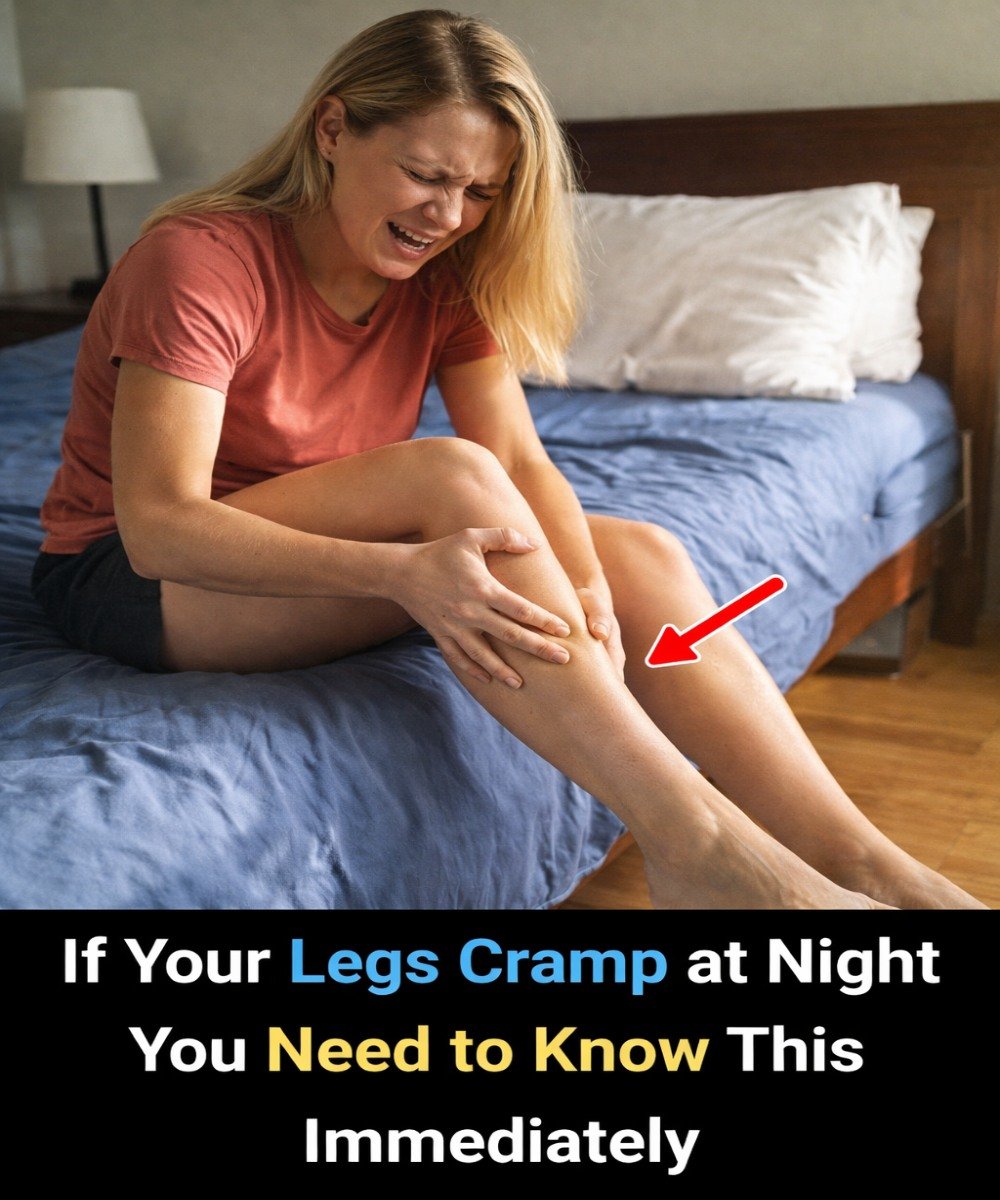
You’ve just drifted off into a peaceful sleep when suddenly a sharp, twisting pain grips your calf or foot, yanking you awake in the middle of the night. These sudden nighttime leg cramps feel like your muscle is knotting up uncontrollably, leaving you rubbing the spot desperately while the discomfort lingers and steals hours of rest. It’s not just frustrating—it leaves you exhausted the next day, irritable, and struggling to focus, turning what should be restorative sleep into another source of stress that affects everything from your mood to your productivity. The good news is that most of these cramps stem from everyday factors you can actually influence, and simple changes can bring real relief fast. But here’s the part most people miss: stick with me until the end, because there’s one overlooked nighttime habit that could stop these cramps from ruining your sleep for good.
What Causes Your Legs to Cramp at Night?
Nighttime leg cramps, often called nocturnal leg cramps, happen when your muscles suddenly tighten and won’t relax on their own. Experts at the Mayo Clinic note that while the exact trigger isn’t always clear, several common factors make them more likely, especially as we age or lead certain lifestyles. But here’s what’s reassuring: in most cases, they’re harmless and not a sign of a major health crisis.
The truth is, your muscles need the right balance of fluids, minerals, and movement to stay relaxed during rest. When that balance gets thrown off, cramps can strike without warning. And that’s not all—certain habits or conditions quietly set the stage for these painful episodes night after night.
Here are the most common culprits behind nighttime leg cramps:
- Dehydration: Not drinking enough fluids throughout the day makes muscles more prone to spasms, especially if you’re active or live in a warm climate.
- Electrolyte imbalances: Low levels of potassium, magnesium, calcium, or sodium can disrupt how your muscles contract and relax—often from diet, medications, or sweating.
- Muscle fatigue or overuse: Standing or exercising too much during the day can leave leg muscles tired and twitchy by bedtime.
- Poor circulation or sedentary habits: Sitting for long periods or conditions that affect blood flow can leave your legs feeling starved for oxygen and nutrients overnight.
- Other factors: Pregnancy, certain medications (like diuretics for blood pressure), or underlying issues such as diabetes or thyroid problems can play a role, though these are less common.
Understanding these triggers is the first step toward breaking the cycle. But wait—there’s more to it than just knowing why they happen.
How to Stop a Leg Cramp the Moment It Hits
When that familiar jolt wakes you up, you don’t have to just suffer through it. The key is acting quickly to relax the muscle before the pain drags on. Research from sources like Cleveland Clinic and WebMD shows that targeted movements can ease the cramp in seconds to minutes for most people.
Here’s exactly what to do right away:
- Stretch gently but firmly: For a calf cramp, straighten your leg and slowly flex your foot upward, pulling your toes toward your shin. Hold for 20–30 seconds while breathing deeply.
- Massage the area: Use your hands to knead the tight muscle in firm, circular motions to boost blood flow and release tension.
- Stand and walk it off: Put weight on the affected leg and take a few slow steps, or gently shake the leg to loosen things up.
- Apply heat or cold: A warm towel, heating pad, or quick shower can relax the muscle fast. If it feels sore afterward, try an ice pack wrapped in cloth for 10 minutes.
But that’s not the whole story. Many people find that combining stretch and massage works even better than either alone. The sooner you respond, the quicker the cramp fades and the faster you can drift back to sleep.
Simple Daily Habits to Prevent Nighttime Leg Cramps
Prevention beats reaction every time, and the best part is that these changes are straightforward and fit easily into your routine. Studies and expert guidelines consistently point to hydration, stretching, and nutrition as powerful tools for reducing how often cramps strike.
And here’s the surprising part most people overlook: consistency matters more than perfection. Small tweaks done every day can lead to noticeably fewer painful nights within just a couple of weeks.
Try building these habits into your evenings and days:
- Drink plenty of water throughout the day—aim for at least 8 glasses, and more if you’re active or it’s hot outside.
- Eat foods rich in key minerals like bananas (potassium), leafy greens and nuts (magnesium), dairy or fortified plant milks (calcium), and add a pinch of salt if you sweat heavily.
- Stretch your calves and feet for 5 minutes before bed—simple wall stretches or seated toe pulls work wonders.
- Move more during the day with light walks or gentle exercises to improve circulation without overdoing it.
- Loosen your bed covers at the foot of the bed so your feet aren’t pointed downward all night.
- Cut back on caffeine and alcohol in the evening, as both can contribute to dehydration and muscle irritability.
- Consider a short warm bath or shower before bed to relax muscles and promote better blood flow.
These steps don’t require fancy equipment or major lifestyle overhauls—just a bit of awareness. Many readers report that the bedtime stretch alone makes a dramatic difference.
Lifestyle Tweaks That Support Cramp-Free Nights
Beyond the basics, a few broader changes can make your legs feel stronger and more relaxed overall. For example, maintaining a healthy weight and managing stress through light activity like yoga or swimming helps reduce muscle tension. If you sit at a desk all day, set a timer to stand and stretch every hour—your legs will thank you at bedtime.
Here’s a quick comparison of quick wins versus longer-term habits:
| Quick Daily Wins | Longer-Term Benefits |
|---|---|
| Drink water steadily all day | Build consistent exercise routine |
| Do 5-minute bedtime stretches | Improve overall circulation with walking |
| Eat one electrolyte-rich snack | Address any medication side effects with your doctor |
The bottom line? These aren’t complicated secrets—they’re practical steps backed by what health experts recommend across major medical sources.
When Should You Talk to a Doctor About Leg Cramps?
While most nighttime leg cramps are benign, it’s smart to pay attention if they become more frequent, severe, or come with other symptoms like swelling, numbness, weakness, or skin changes. In rare cases, they can signal an underlying issue that needs professional attention. Always err on the side of caution and consult your healthcare provider if home strategies aren’t helping or if the cramps are disrupting your life.
FAQ: Your Top Questions About Nighttime Leg Cramps Answered
Are nighttime leg cramps dangerous?
In the vast majority of cases, no—they’re uncomfortable but harmless. However, frequent or intense cramps that don’t respond to simple remedies warrant a check-up to rule out other factors.
Can changing my diet really stop leg cramps at night?
Yes, for many people. Ensuring you get enough fluids and minerals like magnesium, potassium, and calcium through food or, in some cases, supplements (after talking with your doctor) often reduces episodes significantly.
What’s the fastest way to prevent cramps before bed?
A quick 5-minute stretch routine focused on your calves and feet, combined with a glass of water, is one of the most effective and immediate habits you can adopt tonight.
Final Thoughts
Nighttime leg cramps don’t have to keep robbing you of restful sleep. By understanding the common causes, using quick relief techniques when they strike, and building simple preventive habits, you can wake up feeling refreshed instead of worn out. Start with hydration and that bedtime stretch tonight—you might be surprised how quickly things improve.
Remember, small consistent changes often deliver the biggest results when it comes to muscle comfort and better sleep.
Disclaimer: This article is for informational purposes only and is not intended as medical advice. Always consult with a qualified healthcare professional before making any changes to your diet, exercise routine, or if you have persistent symptoms. Individual results may vary.