
Nail Care: Grooming Cost, Health Insurance, and Wellness Budget Guide
Introduction
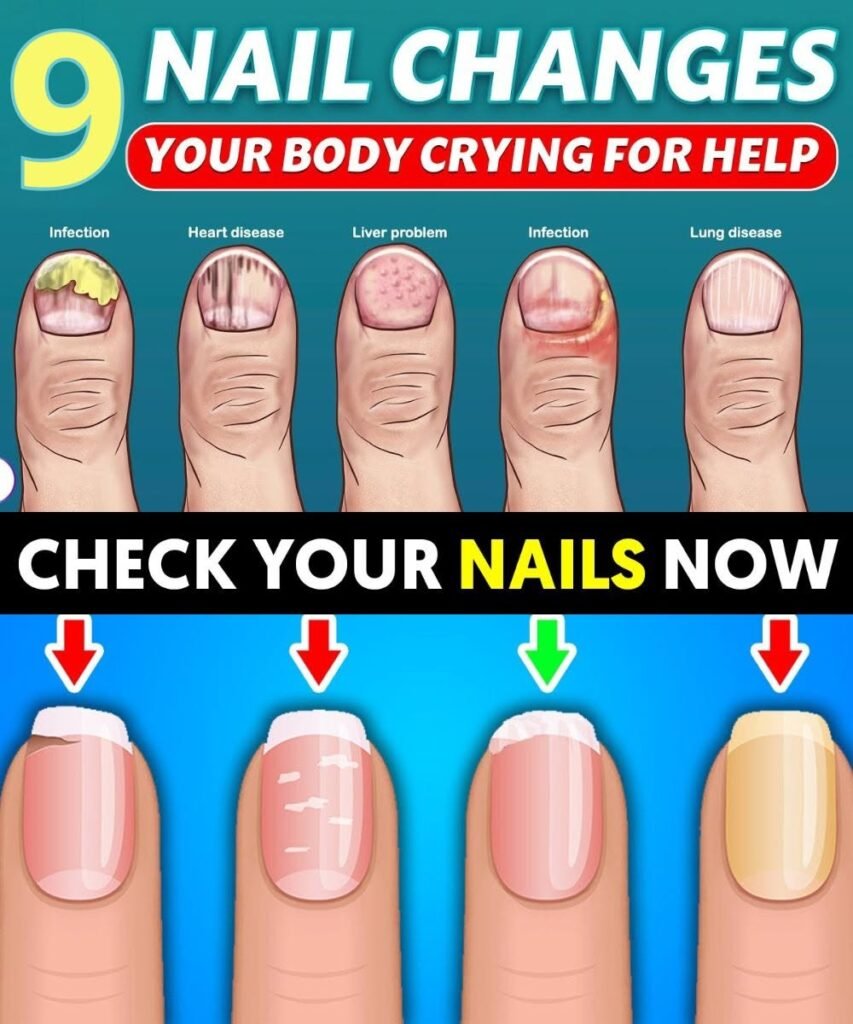
Nail appearance can vary for many reasons, including regular grooming habits, minor injuries, aging, environmental exposure, and the use of nail products such as polish or artificial nails. While changes in nail color, texture, or shape may sometimes raise questions, nail appearance alone cannot determine whether a medical condition is present. Any persistent or concerning nail changes should be evaluated by a licensed healthcare professional. This guide focuses on budgeting for nail care, understanding common grooming costs, and planning for healthcare expenses through health insurance, health savings accounts, and preventive care. It is intended for educational and budgeting purposes only.
Nail Health: Medical Safety Note
Changes in nails do not diagnose medical conditions. Only a licensed physician or dermatologist can determine the cause of nail symptoms through a medical history, physical examination, and, when appropriate, laboratory testing. Avoid self-diagnosing based on online photos or social media content.
If you notice ongoing discoloration, pain, swelling, thickening, or other unusual nail changes, schedule an evaluation with a licensed dermatologist or primary care provider. Many health insurance plans include coverage for annual preventive checkups and dermatology services, although benefits vary by plan. If an in-person visit is not immediately available, ask your insurance provider whether telehealth consultations are covered.
Nail Care: Grooming Costs and Budget Planning
Basic nail care is generally inexpensive and easy to include in a personal wellness budget. Nail clippers, files, buffers, and standard nail polish commonly cost between $3 and $10 per item, making them affordable grooming essentials for many households.
Professional manicures typically range from $25 to $50, depending on location and services provided. If salon visits are part of your routine, consider including them as a recurring personal care expense in your monthly budget.
If a dermatologist recommends treatment for a medical nail condition, some expenses may qualify for reimbursement through a Health Savings Account (HSA) or Flexible Spending Account (FSA), depending on your plan’s rules. Always verify eligibility with your plan administrator before submitting claims. Comparing the cost of routine grooming with medical copays can also help you make informed budgeting decisions.
Health Insurance and Cost Planning
Understanding your health insurance benefits can help you prepare for both routine and unexpected healthcare expenses. When comparing insurance plans, review monthly premiums, deductibles, copayments, coinsurance, and specialist coverage.
Some insurance policies include coverage for dermatology appointments when they are considered medically necessary. Preventive annual physical exams may also provide an opportunity to discuss concerns about skin and nail health with your healthcare provider.
Keeping a record of healthcare expenses—including office visits, prescriptions, and eligible HSA or FSA purchases—can simplify reimbursement requests and assist with tax or insurance documentation when applicable.
Insurance, Legal, and Financial Considerations
Take advantage of preventive healthcare benefits by scheduling recommended annual checkups and screenings covered under your insurance plan. For individuals seeking broader financial planning, a qualified financial advisor can help incorporate healthcare expenses into an overall wellness budget.
If legal questions arise regarding a medical treatment or product claim, consult a licensed attorney who practices in the relevant area of law. Maintaining an emergency healthcare fund alongside your routine wellness budget can also help prepare for unexpected medical costs.
Conclusion
Basic nail care products are generally affordable grooming essentials, while professional nail services can be included as part of a planned personal care budget. Although nail appearance may change over time, it cannot diagnose medical conditions on its own. For health concerns, consult a licensed healthcare provider and make use of available health insurance benefits. For insurance, financial, or legal questions, seek guidance from appropriately licensed professionals.
Disclaimer: This article is provided for educational, grooming, budgeting, and general wellness information only. It does not constitute medical, legal, financial, or insurance advice. For medical concerns, consult a licensed healthcare professional. For insurance, legal, or financial matters, seek advice from appropriately licensed professionals.