
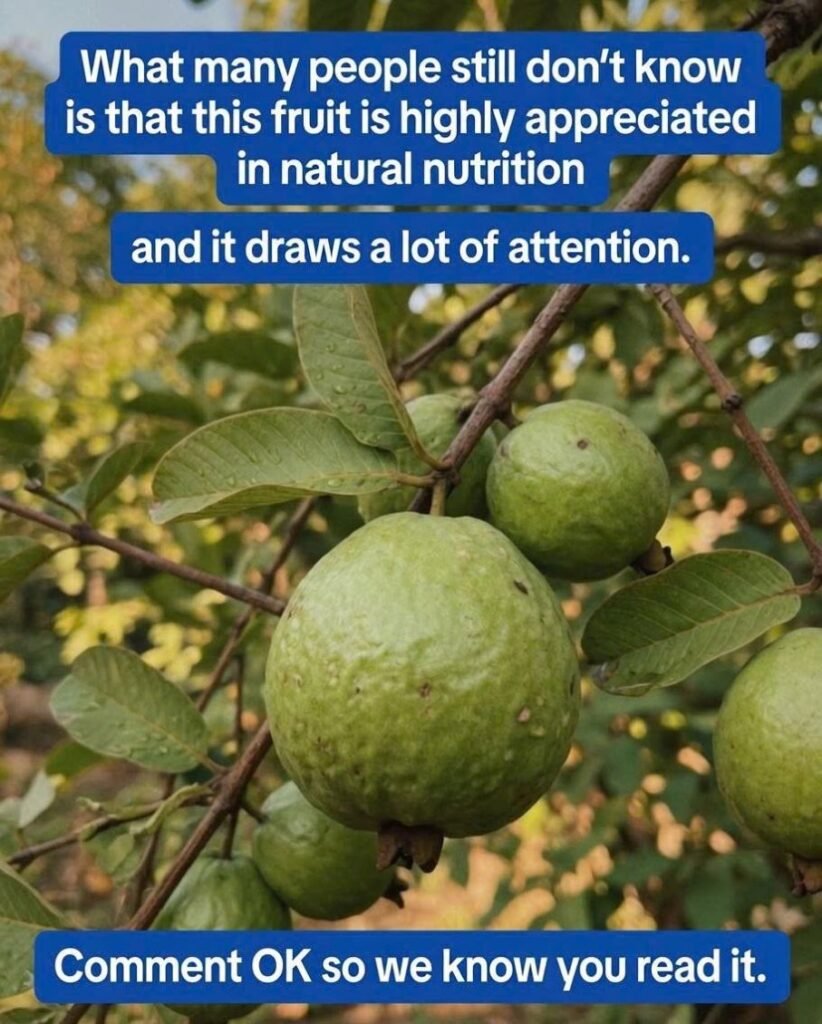
What Many People Don’t Realize About Guava and Blood Sugar
Guava is a delicious tropical fruit enjoyed around the world for its sweet flavor and impressive nutritional value. While many people eat it simply because it tastes good, researchers have also studied guava and its leaves for their potential role in supporting healthy blood sugar levels as part of a balanced diet.
So, what makes guava so interesting? The fruit is naturally rich in dietary fiber, vitamin C, antioxidants, and beneficial plant compounds. Fiber can help slow the digestion and absorption of carbohydrates, which may contribute to more gradual changes in blood sugar after meals. In addition, scientists are investigating certain compounds found in guava leaves, such as flavonoids and polyphenols, for their potential effects on glucose metabolism.
It’s important to understand that guava is not a cure or treatment for diabetes. Although some early studies have shown promising results, more high-quality human research is needed to confirm its long-term benefits. People with diabetes or other medical conditions should continue following their healthcare provider’s advice and prescribed treatment plan.
Adding fresh guava to a balanced diet, staying physically active, drinking enough water, and choosing nutrient-rich foods are all proven ways to support overall health. Guava can be a flavorful and nutritious part of these healthy habits, but it works best alongside—not instead of—a healthy lifestyle.
In the following sections, we’ll explore the nutrients that make guava unique, what current research says about its potential health benefits, and the best ways to enjoy this tropical fruit safely.