
Healthy Aging and Preventive Healthcare 2026: Nutrition, Medicare, and Financial Planning
1. Health Insurance and Medicare Coverage for Geriatrics and Preventive Care
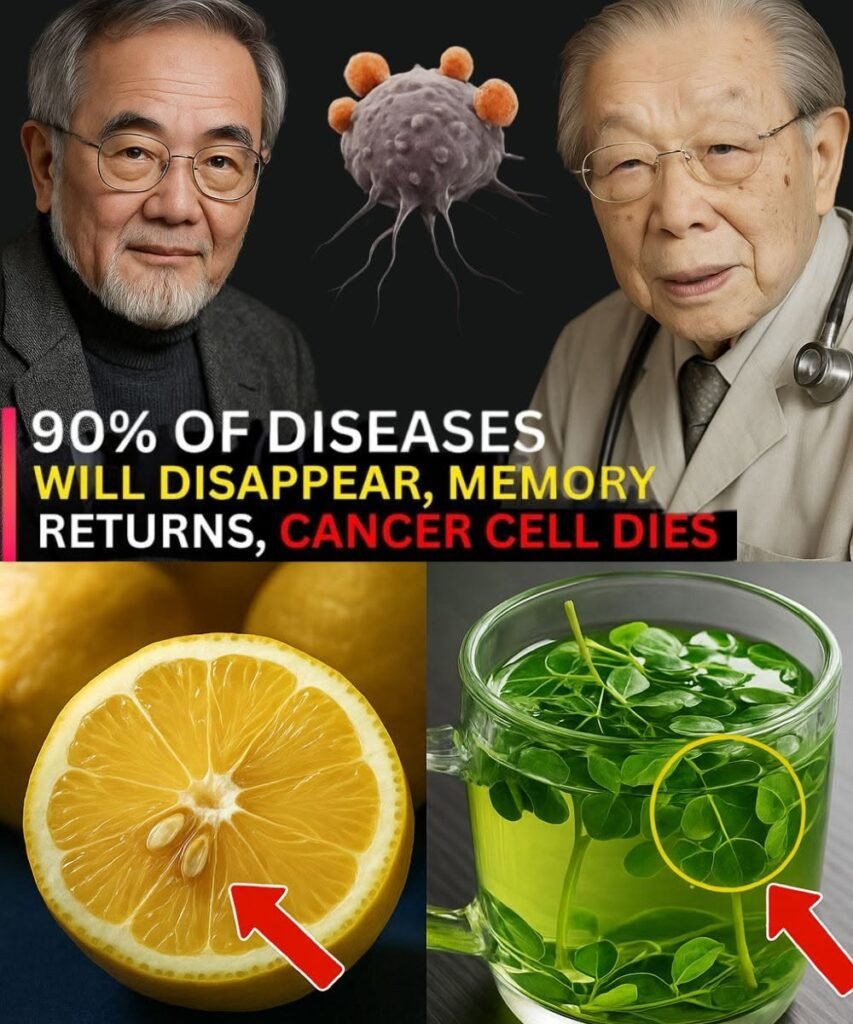
Dietary patterns in many cultures emphasize fruits, vegetables, tea, and balanced meals. Claims that specific foods make 90% of diseases disappear or kill cancer cells are not supported by medical evidence. Healthy aging involves genetics, lifestyle, medical care, and prevention. Most Medicare, PPO, and HMO plans cover geriatrics, annual wellness visits, and nutrition counseling to support healthy aging in 2026.
2. Nutrition, Preventive Healthcare, and Evidence-Based Healthy Aging
A varied diet with citrus fruits, leafy greens, whole grains, fish, and plant-based foods is studied as part of nutrition research. Lemon and herbal teas can be part of a balanced diet, but they are not treatments for disease or memory loss. Evidence-based habits for healthy aging include regular physical activity, routine medical screenings, cognitive engagement, sleep, stress management, and avoiding smoking. Speak with a geriatrician or registered dietitian before making major diet changes.
3. Medical Costs, FSA/HSA Accounts, and Financial Planning
Preventive care in midlife and older adulthood can reduce long-term medical costs. Many Medicare Advantage and health insurance plans cover preventive screenings, vaccinations, and wellness programs for older adults. FSA and HSA accounts can be used for eligible medical and nutrition services. Financial planning for health includes reviewing your Medicare or health insurance benefits, comparing top health insurance quotes, and budgeting for preventive care and nutrition.
4. Wellness Programs, Preventive Healthcare, and Safe Daily Habits
Employer health insurance and Medicare wellness programs often include healthy aging resources, exercise programs, and nutrition education. Evidence-based habits include staying socially active, managing chronic conditions with a healthcare provider, staying hydrated, and eating a varied diet. Foods and teas can support overall nutrition, but they do not replace medical care or guarantee disease prevention.
5. Final Thoughts on Medical Advice, Insurance, and Healthy Aging
If you have health concerns, memory changes, or questions about nutrition, contact a licensed healthcare provider. Do not rely on viral posts that promise to eliminate diseases or reverse aging with one food. Use your Medicare or health insurance benefits for evaluation, prevention, and support. This information is for general awareness only and is not medical advice. Professional care plus preventive wellness supports healthy aging.