
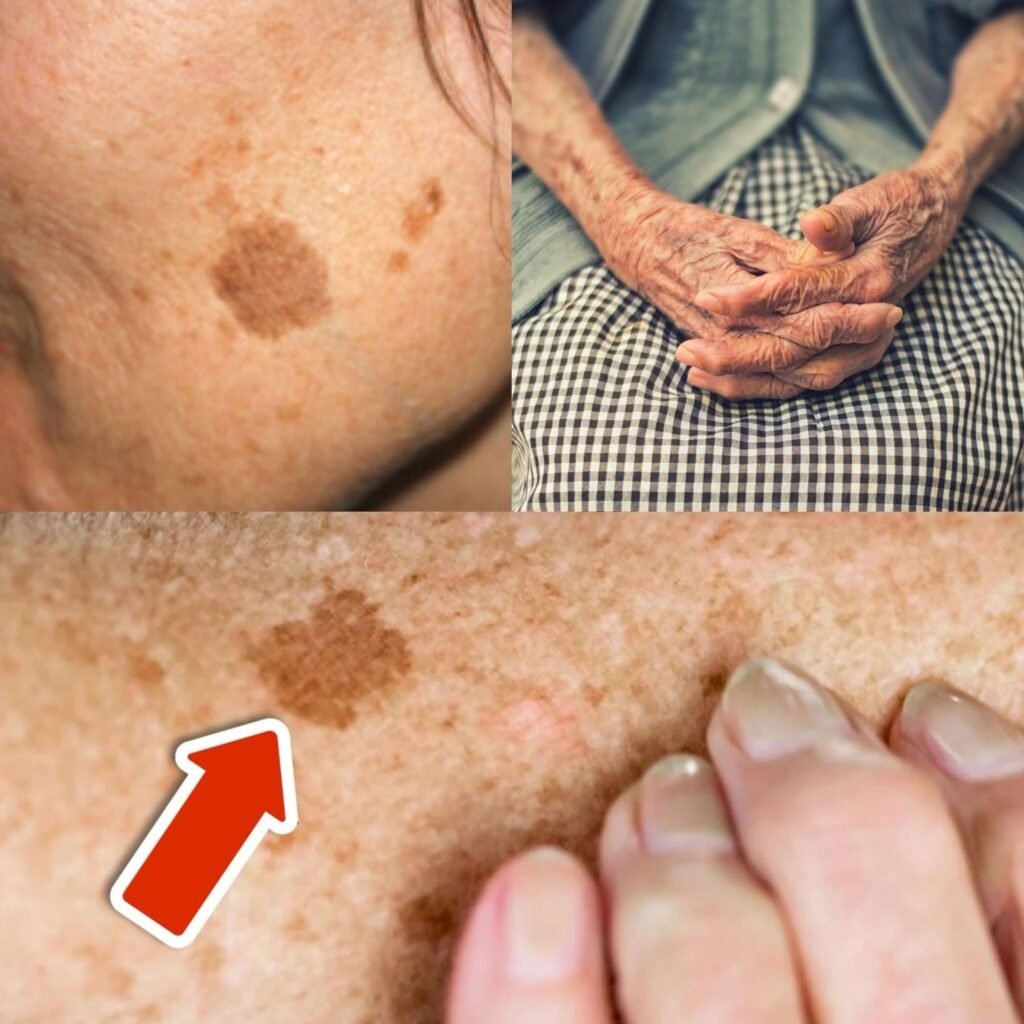
Age Spots and Skin Health 2026: Dermatology Care, Health Insurance, and Preventive Skincare Strategies
1. Best Health Insurance and Medicare Plans for Dermatology Coverage
Age spots, also called liver spots or solar lentigines, are flat brown patches that often appear with age and sun exposure. They are common and usually benign, but a dermatologist should evaluate any new or changing spot.
Many PPO, HMO, and Medicare plans cover annual skin checks and dermatology visits as preventive healthcare. Early evaluation helps rule out skin conditions that require medical treatment.
Review your health insurance or Medicare Advantage benefits to see what dermatology screenings and procedures are included in 2026.
2. Dermatologist-Approved Skincare and Nutraceutical Approaches
Dermatologists recommend sun protection as the most important step for preventing age spots. This includes daily broad-spectrum SPF, hats, and shade during peak UV hours.
Topical ingredients like vitamin C, niacinamide, retinoids, and sunscreen are commonly used in dermatology and the nutraceutical skincare market. No single vitamin or supplement “permanently removes” age spots, and results vary by skin type.
Always choose GMP-certified products and speak with a licensed dermatologist before starting new skincare or supplement routines, especially if you have sensitive skin or medical conditions.
3. Professional Skin Treatments, Medical Costs, and Financial Planning
For cosmetic or medical concerns, dermatology offices offer treatments like cryotherapy, laser therapy, chemical peels, or topical prescriptions.
Coverage depends on your health insurance policy. Cosmetic procedures are often out-of-pocket, while medically necessary treatments may be covered.
This is where financial planning helps. Many patients use FSA or HSA accounts for eligible dermatology expenses. Comparing top health insurance quotes and understanding your plan’s dermatology benefits can reduce unexpected medical costs.
4. Preventive Healthcare, Wellness Programs, and Skin Protection
Preventive healthcare extends to skin health. Daily sun protection, antioxidant-rich diets, hydration, and avoiding tanning beds are evidence-based habits.
Many employer health insurance plans and Medicare wellness programs include education or reimbursements for preventive care. These programs support long-term skin wellness and reduce the need for more costly treatments later.
Consistent habits are more effective than viral “miracle cure” claims.
5. Final Thoughts on Skin Health, Medical Advice, and Insurance Coverage
Age spots are common, but any spot that changes in size, shape, color, or bleeds should be evaluated by a dermatologist right away.
Avoid products that promise instant or guaranteed removal. Focus on sunscreen, dermatologist guidance, and the right health insurance or Medicare coverage.
Always consult a qualified healthcare provider before using new treatments or supplements. Smart prevention plus proper medical coverage is the safest path for skin health in 2026.