
Home Pest Prevention 2026: Property Insurance, Financial Planning, and Safe Home Wellness Strategies
1. Best Property Insurance and Homeowners Insurance for Pest Damage Coverage
Pest infestations can lead to costly home repairs, from chewed wiring to structural damage. That’s why property insurance and homeowners insurance policies are a key part of financial planning for homeowners.
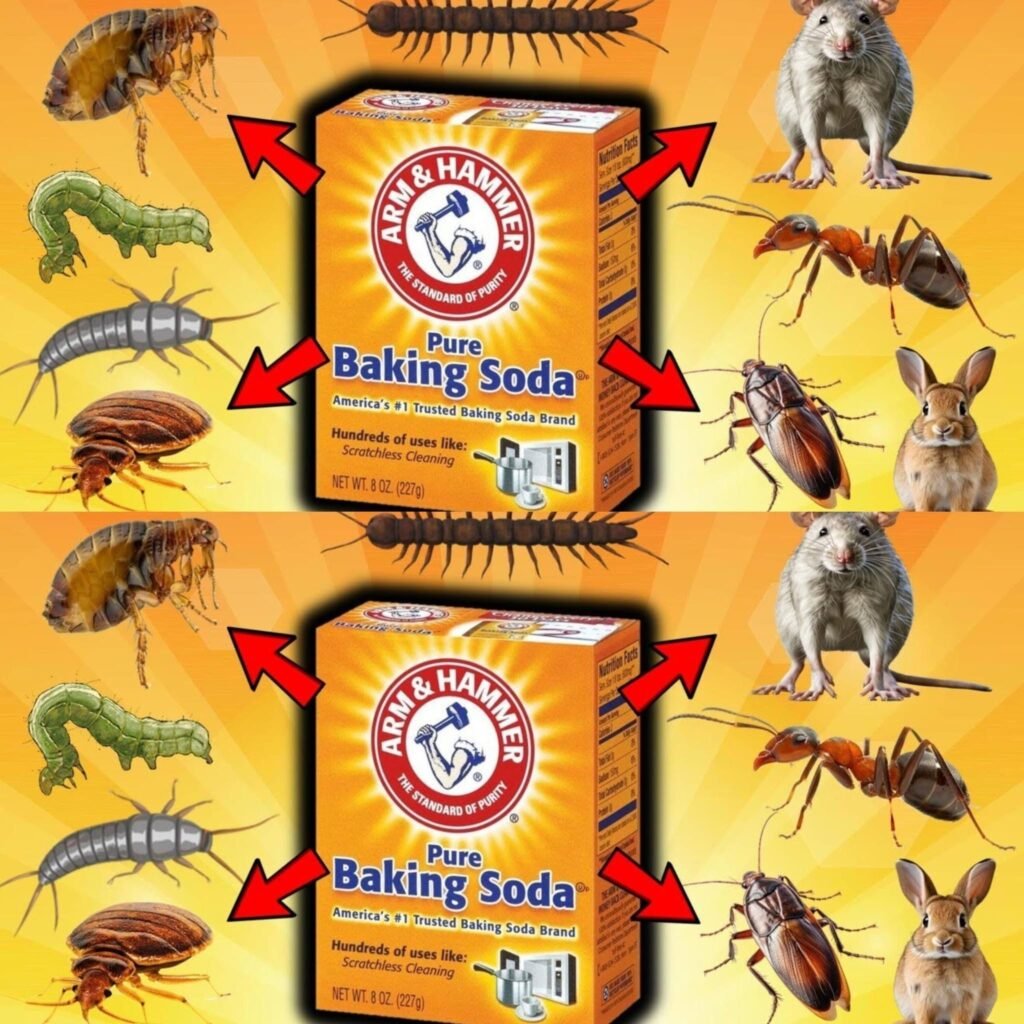
While baking soda is often discussed online for household cleaning and deodorizing, it is not an EPA-approved pest control product for fleas, mice, rats, or bedbugs. Most standard policies do not cover damage from neglect or untreated infestations, so prevention and professional pest management are critical.
Review your policy details to understand what is and isn’t covered.
2. Safe Home Wellness Practices vs. Unverified Pest Control Claims
Baking soda is popular in the home wellness and cleaning market for odor absorption, surface cleaning, and DIY projects. However, claims that it eliminates ants, cockroaches, centipedes, or rodents are not supported by pest control professionals or the EPA.
Using unverified methods can delay proper treatment and increase repair costs. For safe home wellness, focus on sanitation, sealing entry points, proper food storage, and using EPA-registered products as directed.
If you have allergies, asthma, or children at home, consult a healthcare provider before using strong chemical treatments.
3. Professional Pest Control, Financial Planning, and Cost Management
Licensed pest control services are the most effective way to manage infestations. The cost varies by pest type, home size, and treatment plan.
This is where financial planning matters. Some homeowners use FSA or HSA funds for related medical costs if pests cause bites or allergic reactions, but not for pest treatment itself.
For ongoing protection, many homeowners bundle pest control with property insurance and home maintenance budgets. Preventive action reduces long-term medical and repair expenses.
4. Preventive Healthcare, Wellness Programs, and Home Safety
Pests can impact indoor air quality and trigger allergies, skin irritation, or asthma symptoms. Preventive healthcare includes keeping a clean home, using HEPA vacuums, and reducing moisture that attracts insects.
Many health insurance plans and Medicare Advantage programs include wellness programs that cover education on healthy home environments. Pairing these habits with the right homeowners insurance and maintenance plan is the most cost-effective approach for families in 2026.
5. Final Thoughts on Insurance, Medical Advice, and Responsible Home Care
No household item can replace professional pest control or insurance coverage. Avoid viral “miracle cure” claims and focus on evidence-based prevention.
Maintain your property, use approved pest management, and keep comprehensive property insurance. For health concerns related to pests, speak with a qualified healthcare provider and check your health insurance benefits.
Smart prevention plus the right coverage protects both your home and your medical budget.