
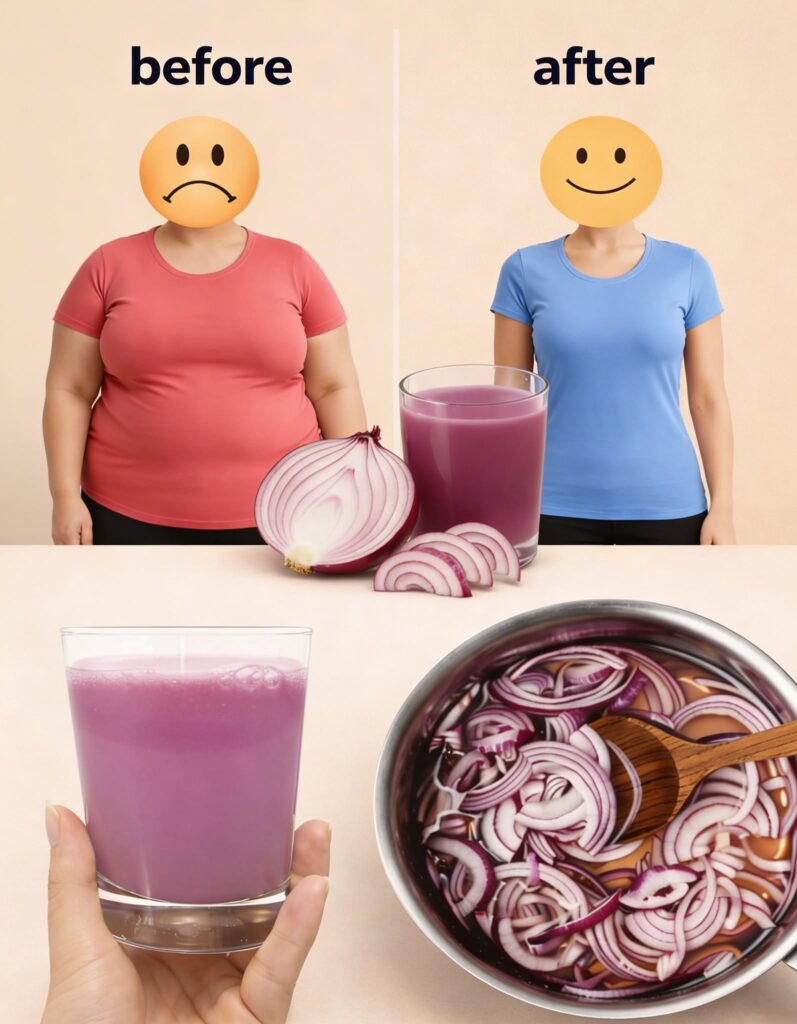
Stubborn belly fat can feel frustrating, especially when you are already trying to eat better and move more. You cut calories, walk daily, maybe even skip dessert, yet the scale barely shifts and your midsection refuses to cooperate. That constant cycle of effort and disappointment can quietly drain your motivation. But there is a simple kitchen habit that many people are curious about, and by the end of this article, you will understand why this vibrant purple drink is getting so much attention.
Why Belly Fat Feels So Difficult to Manage
Belly fat is not just about appearance. For many people, it is the most noticeable and persistent area of weight gain. As we age, hormone shifts, stress, sleep patterns, and reduced muscle mass can all influence how the body stores fat.
Research suggests that excess abdominal fat is often linked with lifestyle factors such as:
- High intake of processed foods
- Low fiber consumption
- Sedentary habits
- Chronic stress
- Poor sleep quality
The truth is, there is rarely one single cause. And because of that, there is rarely one single solution.
That is where simple supportive habits come in.
What Is the Purple Onion Drink?
The purple onion drink is typically made by soaking sliced red onions in water or lightly blending them with water to create a mild infusion. Some variations include lemon juice or a touch of honey for taste.
It sounds almost too simple. But here is where it gets interesting.
Red onions are rich in plant compounds called flavonoids, especially quercetin. They also contain antioxidants and small amounts of fiber and sulfur containing compounds that support overall metabolic function.
While no drink alone can melt belly fat, certain ingredients may support healthy metabolism when combined with balanced nutrition and regular activity.
And that distinction matters.
What Does Science Say About Onions and Weight Support?
Let us stay grounded in evidence.
Several studies have explored the potential health benefits of onions and their bioactive compounds:
- Research has shown that quercetin may help reduce inflammation and oxidative stress.
- Some studies suggest onions may support healthy blood sugar balance.
- Onions contain prebiotic fibers that feed beneficial gut bacteria.
A healthy gut microbiome is increasingly linked to weight regulation and appetite control. According to emerging research, improved gut balance may support metabolic efficiency and reduce cravings.
But that is not all.
Onions are also very low in calories. Replacing sugary beverages with low calorie infused water can significantly reduce daily energy intake. And over time, that calorie difference can support gradual fat loss.
Notice the key phrase here: over time.
Why This Drink May Support Belly Fat Goals
Let us break it down clearly.
1 Supports Better Hydration
Many people confuse thirst with hunger. Drinking a glass of onion infused water may help reduce unnecessary snacking simply by keeping you hydrated.
Hydration plays a crucial role in digestion, energy levels, and appetite signals.
2 Encourages Healthier Beverage Choices
Replacing soda, sweet tea, or fruit juice with a low calorie option can make a meaningful difference.
For example:
| Beverage | Approximate Calories Per Cup |
|---|---|
| Sugary soda | 150 |
| Sweetened fruit juice | 110 |
| Purple onion drink | 10 or fewer |
Small swaps add up.
3 May Support Blood Sugar Stability
Stable blood sugar levels help prevent energy crashes and cravings. Onions contain compounds that have been studied for their potential role in supporting glucose metabolism.
Balanced blood sugar often means fewer late night cravings for high calorie snacks.
4 Adds Prebiotic Support for Gut Health
Onions contain inulin, a type of prebiotic fiber. Prebiotics nourish beneficial bacteria in the gut.
A balanced gut microbiome has been associated in research with improved weight regulation and reduced inflammation.
And here is the part many people overlook.
Improving gut health is not about dramatic detoxes. It is about small consistent changes.
How to Make Purple Onion Drink at Home
This is where practicality matters.
You do not need special equipment or expensive ingredients.
Basic Infusion Method
- Slice half a medium red onion thinly.
- Add the slices to two cups of filtered water.
- Let it sit for four to eight hours in the refrigerator.
- Strain and drink chilled.
Mild Blended Version
- Blend a small amount of red onion with one cup of water.
- Strain if desired.
- Add lemon juice for freshness.
Start with small amounts to see how your body responds.
Because yes, onions are potent.
How to Incorporate It Safely Into Your Routine
Moderation is key.
Here is a simple plan:
- Drink one small glass in the morning before breakfast.
- Combine with a balanced meal rich in protein and fiber.
- Maintain regular physical activity such as brisk walking or strength training.
- Focus on consistent sleep habits.
Remember, this drink should complement a healthy lifestyle, not replace one.
But Wait There Is More
This is where expectations need to be realistic.
No natural drink will target belly fat specifically. Spot reduction is largely a myth. Fat loss occurs systemically when your body uses stored energy over time.
However, habits that support:
- Calorie awareness
- Blood sugar balance
- Gut health
- Hydration
- Reduced sugary beverage intake
can collectively support gradual reduction in overall body fat, including around the abdomen.
Consistency is what makes the difference.
Who Should Be Cautious?
While red onions are generally safe as food, some individuals may need to be careful.
You may want to consult a healthcare professional if you:
- Have digestive sensitivity or acid reflux
- Take medications that interact with high quercetin intake
- Have specific dietary restrictions
If you notice bloating or stomach discomfort, reduce the amount or discontinue use.
Your body always provides feedback. Listen to it.
The Psychology Behind Simple Rituals
Here is something powerful that often goes unnoticed.
When you start a small health ritual, like preparing a purple onion drink each evening, it creates awareness. That awareness often leads to better choices throughout the day.
Behavioral research shows that small consistent actions increase self efficacy. In simple terms, when you follow through on one healthy habit, you are more likely to follow through on others.
This is not just about onions.
It is about identity.
When you begin seeing yourself as someone who prioritizes health, your daily decisions shift naturally.
Action Plan You Can Start Today
If you want to experiment responsibly, here is a clear step by step approach:
Step 1
Replace one sugary drink per day with purple onion infused water.
Step 2
Pair the drink with a protein rich breakfast to stabilize appetite.
Step 3
Add twenty to thirty minutes of moderate activity daily.
Step 4
Track your habits for four weeks, not just your weight.
Step 5
Evaluate how you feel in terms of energy, digestion, and cravings.
Focus on patterns, not perfection.
Common Myths About Fat Burning Drinks
Let us clear up confusion.
Myth 1
A single drink can melt belly fat overnight.
Reality
Fat loss requires sustained energy balance over time.
Myth 2
Natural means unlimited consumption is safe.
Reality
Even natural foods should be consumed in moderation.
Myth 3
If results are slow, it is not working.
Reality
Gradual changes are more sustainable and healthier.
Sustainable habits always outperform extreme approaches.
So Is the Purple Onion Drink Worth Trying?
If you expect a miracle, you will likely be disappointed.
If you view it as a low calorie hydration strategy that supports healthier routines, it can be a useful addition.
The power is not in the onion alone.
It is in what the habit replaces and what it reinforces.
And that was the open loop from the beginning.
The real secret is not the drink itself. It is the consistent shift toward mindful choices that compound over weeks and months.
Frequently Asked Questions
Does purple onion drink directly burn belly fat?
There is no scientific evidence that any drink directly burns belly fat. However, replacing high calorie beverages with low calorie options may support overall fat reduction when combined with a balanced lifestyle.
How long does it take to notice changes?
Healthy body composition changes usually occur gradually over several weeks to months. Focus on consistent habits rather than rapid results.
Can I drink it every day?
Most people can enjoy small amounts daily as part of a balanced diet. If you have digestive concerns or medical conditions, consult a healthcare professional before making significant dietary changes.
Final Thoughts
Belly fat management is rarely about dramatic solutions. It is about small, repeatable actions that support metabolism, hydration, and mindful eating.
The purple onion drink can serve as one simple tool in a broader strategy. When combined with balanced meals, movement, and restorative sleep, it may help reinforce the habits that truly matter.
And sometimes, that gentle daily reminder in a glass of purple water is exactly what keeps you moving forward.
Disclaimer
This article is for informational purposes only and does not replace personalized medical advice from a qualified healthcare professional.