
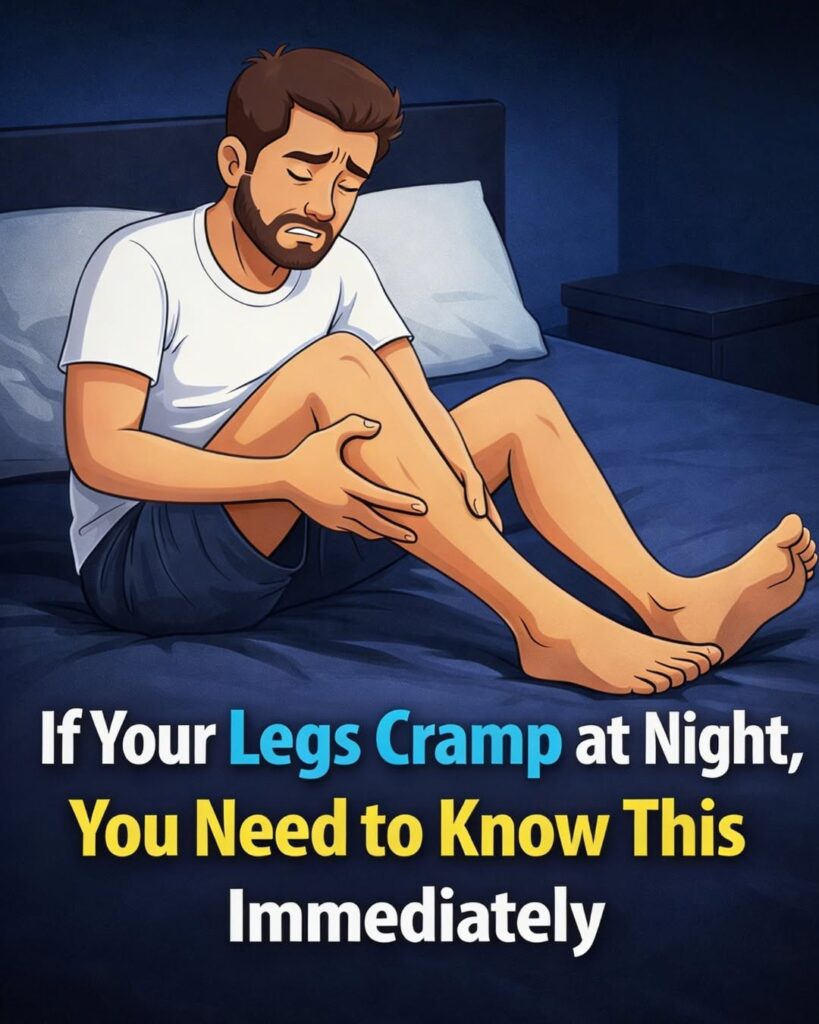
Waking up in the middle of the night gripped by a sudden, intense pain in your calf or foot is something no one looks forward to. These sharp contractions can jolt you awake, making it hard to fall back asleep and leaving you feeling exhausted the next day. If leg cramps keep interrupting your rest on a regular basis, it can start to affect your overall well-being and daily energy levels. The good news is that by understanding what might be going on and exploring some everyday approaches, you could find ways to reduce how often they happen – and there’s one often-overlooked connection between your daily routine and these nighttime episodes that many people discover too late.
What Exactly Are Nocturnal Leg Cramps?
Nocturnal leg cramps refer to those sudden, painful tightenings of the muscles in your legs that usually strike while you’re sleeping or trying to rest. They most often hit the calf muscles, but can also affect your feet or thighs. The cramp feels like a hard knot that forces your foot or toes to point downward, and it can last from a few seconds to several minutes.
Here’s the thing – experts note that these cramps are incredibly common, especially as we get older, yet they’re often harmless on their own. But that doesn’t make them any less disruptive when they wake you up night after night.
Common Factors That May Play a Role
Most of the time, there’s no single clear reason for why leg cramps happen at night. Research points to tired muscles and nerve signals as likely culprits. But certain situations can make them more likely to occur.
According to sources like the Mayo Clinic, here are some factors that often come up:
- Age and lifestyle changes – People over 50 tend to experience them more frequently.
- Dehydration – Not drinking enough fluids throughout the day can affect how muscles work.
- Prolonged sitting or standing – Spending long hours in one position without movement.
- Certain medications – Some blood pressure drugs, diuretics, or cholesterol medications.
- Pregnancy – Extra weight and changes in circulation during this time.
- Underlying health conditions – Things like diabetes or issues with blood flow, though these are less common.
But that’s not the whole story. The surprising part is how much your everyday habits – from what you drink to how you wind down before bed – can influence these episodes. We’ll dive deeper into practical changes in a moment.
Why Staying Hydrated Matters More Than You Might Think
Your muscles rely on a careful balance of fluids and minerals to contract and relax properly. When that balance tips off, especially overnight, cramps can sneak in. Drinking enough water during the day is one simple step many people overlook.
Aim for consistent hydration rather than chugging right before bed. Limit caffeine and alcohol in the evening, as they can pull fluids out of your system. The Mayo Clinic recommends this as a first-line approach because it supports normal muscle function without any fancy equipment or routines.
Here’s something interesting: even mild dehydration from a busy day can show up hours later when you’re trying to sleep. Tracking your intake for just a week might reveal patterns you didn’t notice before.
The Power of Simple Daily Stretches and Movement
Muscle fatigue from daily activities plays a bigger role than most realize. If your legs stay in one position too long – like pointing your toes in bed – they can tighten up. Light movement and targeted stretches help keep things loose.
Many find that adding a few minutes of gentle activity before bed makes a noticeable difference. Riding a stationary bike for a short time or simply walking around the house can warm up the muscles without overdoing it.
Actionable Tips You Can Start Tonight
Ready to try some changes? These steps are straightforward and fit easily into any routine. Focus on consistency rather than perfection.
- Drink plenty of water throughout the day, aiming for 6 to 8 glasses.
- Loosen your bedsheets and blankets so your feet aren’t forced downward.
- Wear supportive shoes during the day if you stand a lot.
- Incorporate potassium-rich foods like bananas or leafy greens into meals.
But wait – the real game-changer for many is a quick stretching routine right before lights out. Here’s exactly how to do it in simple steps:
- Sit on the edge of your bed with legs extended.
- Gently pull your toes toward your shins for 10–20 seconds, feeling the calf stretch.
- Hold, release, and repeat 3 times per leg.
- Stand up and do a quick calf raise on your toes, then lower slowly.
- Finish with a light hamstring stretch by leaning forward slightly.
This routine takes less than five minutes and helps prepare your muscles for rest. Studies and clinical guidance consistently highlight stretching as one of the most accessible approaches.
Foods That Support Muscle Comfort – A Helpful List
What you eat can quietly influence how your muscles behave overnight. While no single food guarantees results, including these nutrient-dense options in your meals gives your body the building blocks it needs.
- Bananas – Naturally high in potassium, which supports muscle relaxation.
- Spinach and other leafy greens – Provide magnesium for nerve and muscle signaling.
- Yogurt or dairy – Offers calcium in an easy-to-absorb form.
- Nuts and seeds – Small handfuls deliver magnesium and healthy fats.
- Beans or lentils – Another potassium boost that’s budget-friendly.
The key is balance across your day rather than loading up at dinner. Many people report feeling steadier after shifting their plate toward these options over time.
What to Do Right When a Cramp Hits
Even with good habits, an occasional episode might still happen. Knowing how to respond quickly can shorten the discomfort and help you get back to sleep faster.
Try these immediate actions:
- Flex your foot upward toward your face while keeping the leg straight.
- Gently massage the tight area with your hands or a soft roller.
- Stand up slowly and put weight on the cramped leg.
- Apply a warm towel or take a quick shower if it persists.
These moves encourage the muscle to release without forcing anything. Walking around the room for a minute afterward often prevents it from coming right back.
When It Might Be Worth Talking to a Professional
If cramps happen several times a week and start affecting your sleep or daily life, it could be helpful to mention them at your next check-up. A healthcare provider can rule out other factors and offer personalized guidance.
Don’t wait if you also notice muscle weakness, swelling, or cramps after exposure to certain chemicals. Most of the time, though, these are simply part of life that respond well to the lifestyle tweaks we’ve covered.
Wrapping It Up: Small Changes for Better Rest
Leg cramps at night don’t have to control your sleep. By focusing on hydration, gentle movement, and supportive habits, many people notice fewer interruptions over time. The overlooked connection? How your daytime choices set the stage for nighttime comfort. Start with one or two tips this week and build from there – your body will thank you with more peaceful nights.
FAQ: Quick Answers to Common Questions
Are leg cramps at night normal as we age?
Yes, they become more common after 50, but they’re usually not a sign of anything serious. Simple habits often help keep them in check.
Can changing my diet really reduce how often they happen?
Including foods rich in minerals like potassium and magnesium may support muscle function, though results vary from person to person. Pair it with hydration for best effect.
When should I stop trying home approaches and see a doctor?
If cramps disrupt sleep most nights, come with weakness, or don’t improve after a few weeks of consistent changes, it’s smart to get checked. Your provider can explore any underlying factors.
Disclaimer: This article provides general information for educational purposes only and is not intended as medical advice, diagnosis, or treatment. Always consult a qualified healthcare professional before making changes to your routine, especially if you have existing health conditions or take medications. Individual results may vary.