
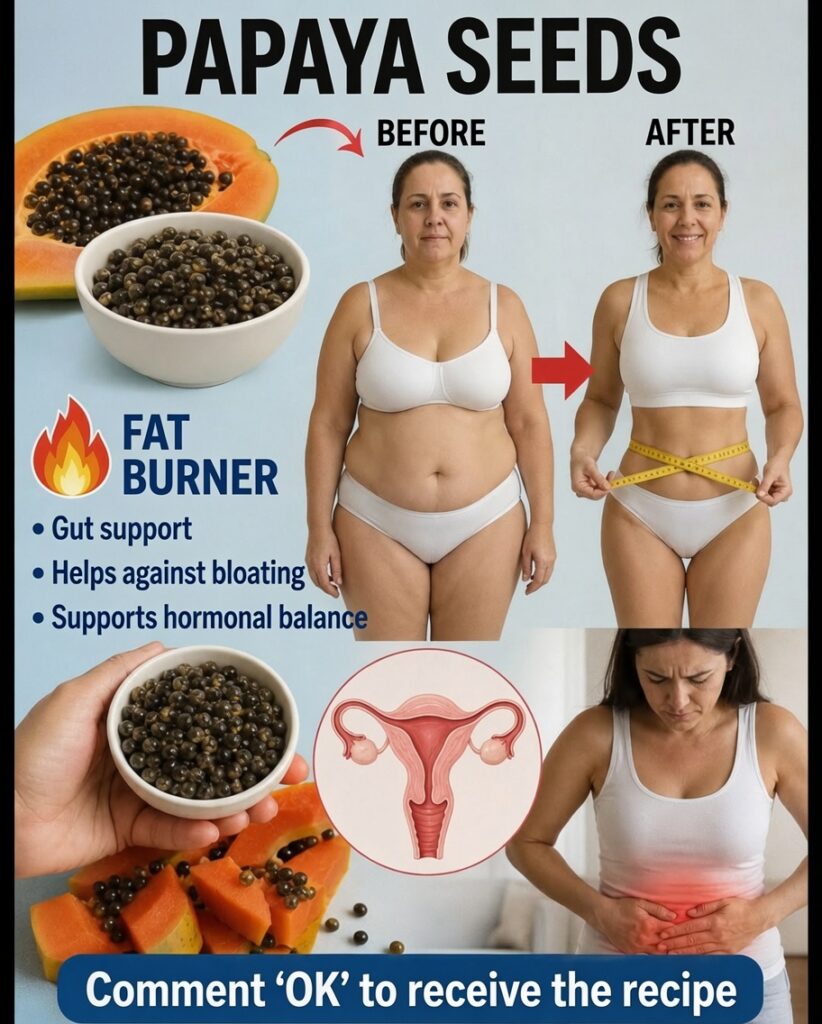
Papaya Seeds: Potential Benefits, Uses, and Important Safety Considerations
Papaya is a popular tropical fruit known for its sweet flavor and excellent nutritional value. While the orange flesh is commonly eaten, the small black seeds are often thrown away. However, papaya seeds have been used traditionally in many cultures and contain several beneficial plant compounds.
Rich in antioxidants, healthy fats, fiber, and natural phytochemicals, papaya seeds may support overall wellness when consumed in moderation.
What Are Papaya Seeds?
Papaya seeds come from the papaya fruit (Carica papaya). They have a slightly peppery flavor and contain:
- Polyphenols
- Flavonoids
- Healthy fatty acids
- Dietary fiber
- Natural enzymes
- Antioxidants
These compounds have been studied for their potential health benefits.
Potential Health Benefits
1. May Support Digestive Health
Papaya seeds contain fiber and natural enzymes that may help support healthy digestion and regular bowel movements.
2. Rich in Antioxidants
The antioxidants found in papaya seeds help protect cells from oxidative stress caused by free radicals, which supports overall health.
3. May Support Liver Health
Some preliminary research has explored the effects of papaya seed compounds on liver health. However, more human studies are needed, and papaya seeds should not be considered a treatment for liver disease.
4. May Support Heart Health
Papaya seeds contain healthy fats and antioxidant compounds that may contribute to cardiovascular wellness when included as part of a balanced diet and healthy lifestyle.
5. May Help Support the Immune System
The antioxidants and plant compounds in papaya seeds may contribute to normal immune function.
Simple Ways to Use Papaya Seeds
Papaya Seed Drink
Ingredients
- 1 teaspoon papaya seeds
- 1 glass of water
- 1 teaspoon honey (optional)
Instructions
- Crush the papaya seeds lightly.
- Mix them with water.
- Add honey if desired.
- Drink immediately.
- Use occasionally as part of a balanced diet.
Papaya Seed Smoothie
Ingredients
- 1 ripe papaya
- 1 teaspoon papaya seeds
- 1 cup water or coconut water
Instructions
- Blend all ingredients until smooth.
- Serve chilled.
Ground Papaya Seed Seasoning
Dry the seeds, grind them lightly, and use them as a pepper-like seasoning for:
- Salads
- Soups
- Roasted vegetables
- Marinades
Nutritional Components
Papaya seeds contain:
- Dietary fiber
- Healthy fats
- Polyphenols
- Flavonoids
- Antioxidants
- Trace minerals
Safety Considerations
Consume in Moderation
Eating large amounts of papaya seeds may cause:
- Stomach irritation
- Nausea
- Digestive discomfort
Pregnancy
Pregnant women should avoid papaya seeds unless advised by a healthcare professional.
Allergies
People with papaya or latex allergies should use caution.
Medical Conditions
If you have a chronic medical condition or take prescription medications, consult your healthcare provider before consuming papaya seeds regularly.
Frequently Asked Questions
Can papaya seeds cleanse the liver?
There is currently insufficient scientific evidence to confirm that papaya seeds can cleanse or treat liver conditions.
Can papaya seeds eliminate intestinal parasites?
Some laboratory and preliminary studies have explored this possibility, but more high-quality human research is needed.
How many papaya seeds can I eat?
Small amounts, such as ½ to 1 teaspoon occasionally, are generally considered reasonable for healthy adults.
Can papaya seeds help with weight management?
The fiber in papaya seeds may help increase feelings of fullness, but they are not a weight-loss remedy.
Final Thoughts
Papaya seeds are a nutritious part of the papaya fruit that contain fiber, antioxidants, and beneficial plant compounds. While traditional medicine has used them for many purposes, scientific research is still developing, and many health claims remain unproven.
When eaten in moderation as part of a balanced diet, papaya seeds can be a healthy addition to your meals. However, they should never replace professional medical advice, diagnosis, or treatment.
Disclaimer: This article is for informational purposes only and should not be considered medical advice. Always consult a qualified healthcare professional before making significant dietary or health-related changes.