
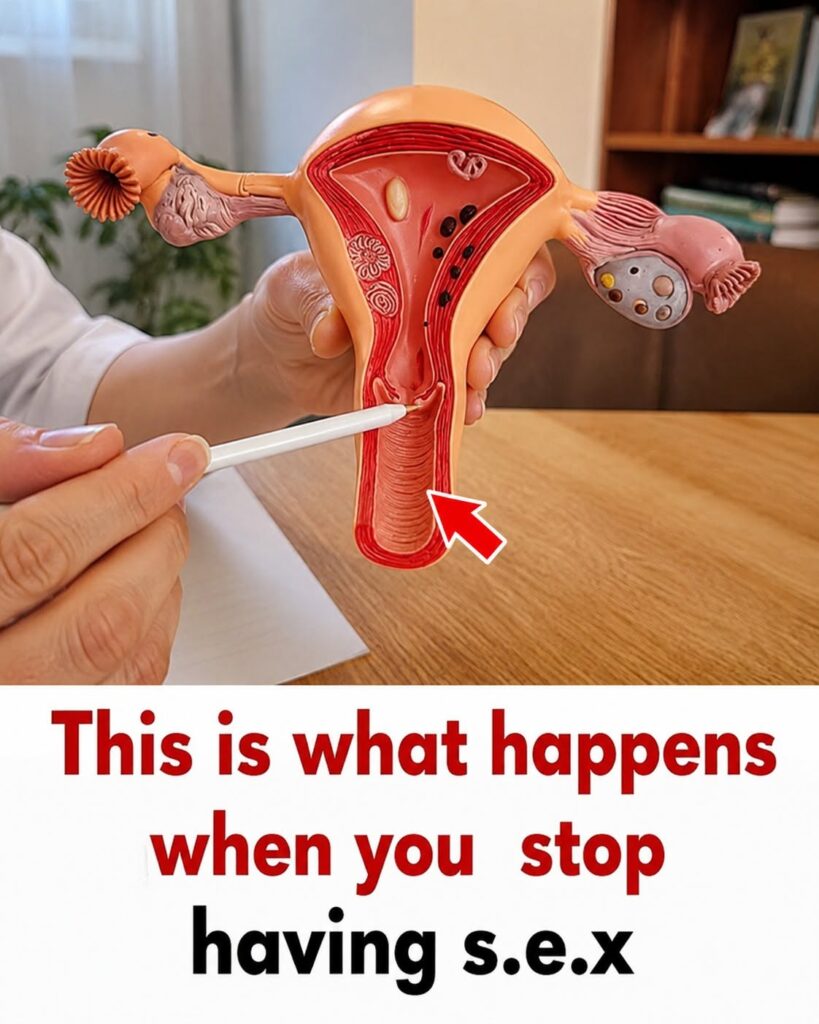
If you’ve noticed your relationship feels a little off lately—maybe you’re snapping more easily, waking up tired, or just not feeling as close as before—you’re far from alone. Life gets busy with work deadlines, kids, or everyday stress, and suddenly those intimate moments that used to happen naturally start to fade. What most people don’t realize is that this interruption doesn’t just affect your mood or connection; your body begins responding in very real, physical ways that can leave you feeling drained and disconnected. But here’s what’s encouraging: simply understanding these shifts gives you the power to respond with small, positive steps that many couples use to feel better and grow closer again. Keep reading because at the end I’ll share a gentle approach that helps rebuild that natural spark without pressure.
Why Intimacy Plays a Bigger Role in Your Health Than You Might Think
Intimacy isn’t just about pleasure—it quietly supports how your body and mind function every single day. When physical closeness happens regularly, it triggers the release of feel-good chemicals that help you handle stress better and stay connected emotionally. Yet when those moments slow down or stop, the absence can create a ripple effect that feels subtle at first but builds over weeks and months.
Research shared by institutions like OHSU highlights how sexual activity influences everything from immune response to emotional balance. The good news? Your body is remarkably adaptable, and awareness alone often motivates couples to make gentle changes.
But wait—let’s look closer at exactly what starts happening inside you.
5 Real Changes Your Body Experiences When Sex Life Slows Down
1. Hormone Levels Shift and Stress Creeps In
That warm, relaxed feeling after closeness comes largely from hormones like oxytocin (often called the “bonding hormone”) and endorphins. When activity drops, these natural mood lifters decrease, which can make everyday pressures feel heavier.
You might notice yourself feeling more on edge, experiencing mood swings, or struggling to fall asleep as easily as before. Studies, including those referenced on WebMD, link regular intimate moments with lower stress and better sleep quality. Without them, the body simply misses that natural reset button.
2. Your Immune System May Not Work Quite as Well
Here’s something surprising many couples discover: frequent physical intimacy appears connected to stronger defenses against minor bugs. One well-known study from Wilkes University found that people having sex a few times a week showed higher levels of immunoglobulin A—an antibody that helps fight viruses and bacteria.
When that part of life pauses, some notice they catch colds more easily or feel run-down. Another 2021 observation even suggested a link between sexual frequency and resilience during certain health challenges. Your body isn’t “broken,” it’s just missing one of its natural supporters.
3. Desire Itself Can Quiet Down Over Time
The brain has a smart way of adjusting. If needs go unmet for a while, it dials back the signals of wanting. This “use it or lose it” pattern is well documented in sexual health research, including findings from the Journal of Sexual Medicine that show consistent activity helps maintain healthy function and interest.
Suddenly you or your partner might think, “Why don’t I feel in the mood anymore?” It’s not rejection—it’s biology adapting. The encouraging part is that this change is often reversible with patience and small reconnection habits.
4. Muscles Hold More Tension Than Usual
Regular closeness acts like a gentle full-body release session. Without it, built-up stress often shows up as tight shoulders, neck aches, or lower back discomfort. Many people report feeling physically stiffer or carrying more daily tension exactly when intimacy decreases.
This happens because the natural endorphin surge that eases muscle tightness is less frequent. The result? You might reach for pain relievers or feel unusually sore after a normal day.
5. Emotional Distance Can Grow Without You Realizing It
Beyond the physical, intimacy helps release oxytocin that strengthens feelings of closeness and trust. When it fades, an invisible gap can form—conversations feel shorter, affection lighter, and you might sense a quiet loneliness even when sitting together.
Relationship experts note this emotional drift is extremely common during busy seasons, yet it’s also one of the easiest patterns to gently reverse once you spot it.
Here’s a quick comparison that makes the differences clearer:
| Aspect | With Regular Intimacy | When Intimacy Slows Down |
|---|---|---|
| Mood & Stress | Natural calm from hormones | Higher tension, possible mood dips |
| Immune Support | Higher protective antibodies | Slightly more vulnerability to bugs |
| Libido | Naturally maintained | Can gradually decrease |
| Physical Comfort | Muscle relaxation & pain relief | Increased aches from held stress |
| Relationship Feeling | Stronger bond & closeness | Subtle emotional distance |
Seeing it side by side often helps couples feel less alone and more motivated to act kindly toward each other.
Simple, Actionable Steps You Can Start Today
The best part? You don’t need dramatic changes to begin supporting your well-being and connection. Try these gentle steps that thousands of couples have found helpful:
- Have an open, pressure-free conversation – Choose a calm evening and simply share, “I’ve missed feeling close to you lately—how have you been feeling?” Focus on teamwork rather than blame.
- Schedule non-sexual affection time – Start with 10-minute cuddles, holding hands while watching a show, or a daily hug that lasts 20 seconds. These tiny actions raise oxytocin naturally.
- Move your bodies together – Go for evening walks, try couple yoga videos, or dance in the kitchen. Physical activity boosts circulation and mood, creating a foundation for closeness.
- Reduce shared stress where possible – Tackle one small task together (like meal-prepping or tidying) so mental load lightens and space for connection appears.
- Reintroduce playfulness slowly – Send a flirty text, give a shoulder rub, or reminisce about a favorite memory. Keep expectations light so desire can return on its own.
Many readers tell us that starting with just the first two steps already creates noticeable positive shifts within a week.
Wrapping It Up: You Have More Power Than You Think
When a couple’s sex life pauses, your body and emotions respond in understandable ways—hormone shifts, immune dips, lower desire, muscle tension, and emotional distance. Yet these changes are signals, not permanent states. By recognizing them with compassion and taking small supportive steps, most couples rediscover warmth and energy again.
The secret many happy relationships share? They treat intimacy as an important part of overall health and give it the same gentle attention they’d give exercise or good sleep.
FAQ – Quick Answers to Common Questions
Is it normal for sex life to slow down at times?
Absolutely. Busy seasons, health changes, or life transitions affect nearly every couple. Temporary dips are common and don’t mean anything is wrong with your relationship.
How long until these body changes become noticeable?
Many people feel subtle shifts within 2–4 weeks, while others notice mood or energy changes after a couple of months. Everyone’s body responds at its own pace.
Can other activities replace the benefits of intimacy?
Exercise, quality time, and hugging help a lot and support similar hormones. However, the unique combination of physical and emotional closeness provides benefits that other activities complement beautifully.
What if one partner wants more than the other?
Open, kind communication is key. Many couples find success by focusing first on non-sexual affection and gradually rebuilding from there with patience.
This article is for informational and educational purposes only. It is not intended as medical advice, diagnosis, or treatment. Please consult a qualified healthcare professional for any concerns about your physical or sexual health. Individual results vary