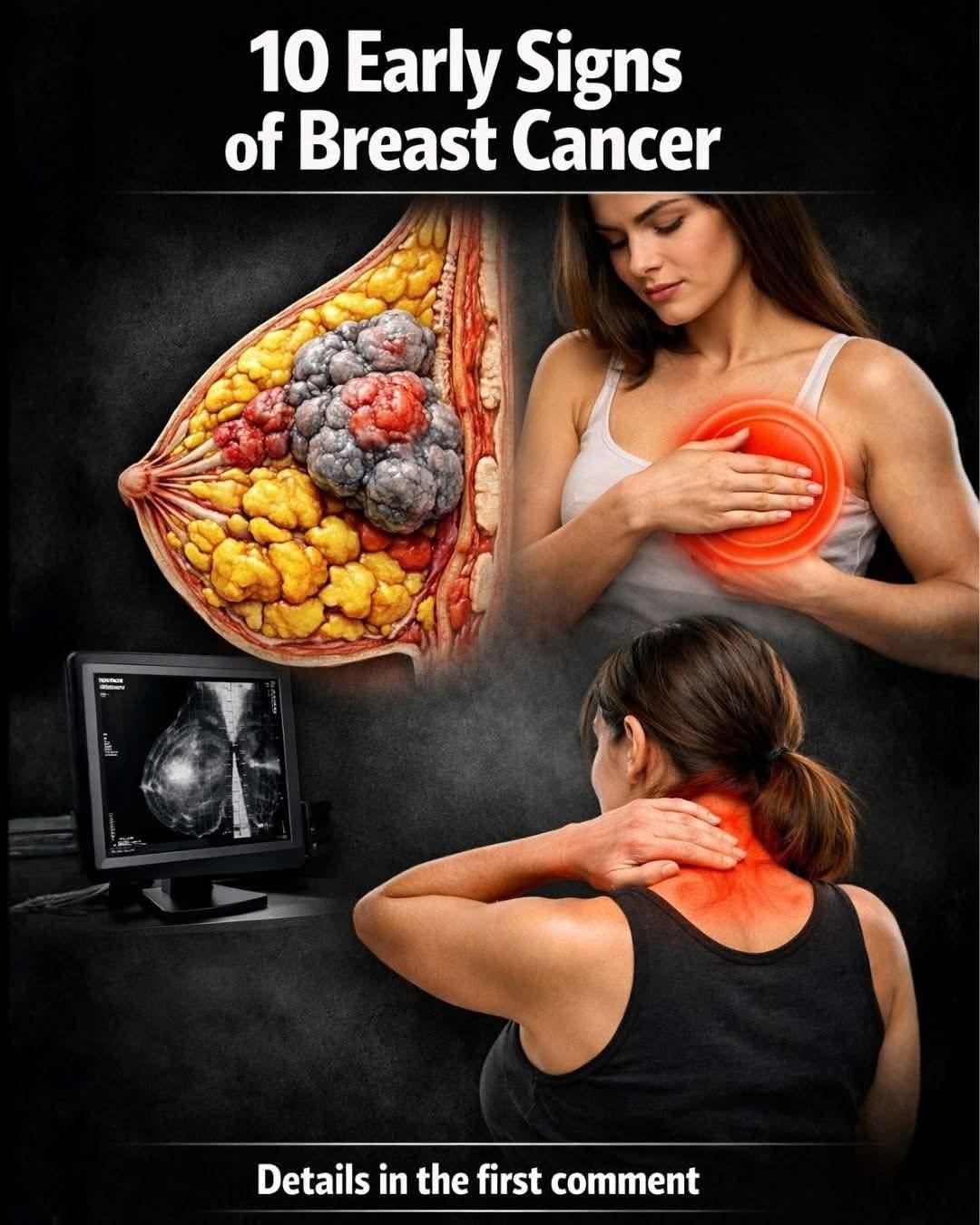
10 Early Warning Signs of Breast Cancer You Should Never Ignore
10 Early Warning Signs of Breast Cancer You Should Never Ignore
Breast cancer is one of the most common cancers affecting women worldwide. Detecting changes in the breasts early and seeking medical attention promptly can make a significant difference in diagnosis, treatment options, and outcomes.
Although many breast changes are caused by harmless conditions, some symptoms should never be ignored. Knowing what is normal for your body and recognizing unusual changes can help you take action when necessary.
1. A New Lump in the Breast or Underarm
A new lump in the breast or underarm area is one of the most recognized warning signs of breast cancer. Some lumps may feel hard, irregular, or different from the surrounding tissue, although cancerous lumps can also be soft or difficult to detect.
Not every lump is cancerous. Cysts, hormonal changes, and benign breast conditions can also cause lumps. However, any new or unusual lump should be evaluated by a healthcare professional.
2. Changes in Breast Size or Shape
If one breast suddenly appears larger, changes shape, or looks noticeably different from its usual appearance, it is worth getting checked.
Breasts naturally vary in size, and slight asymmetry is common. The concern is a new or unexplained change that persists.
3. Skin Dimpling or Unusual Texture
Breast skin that develops dimples, puckering, thickening, or an uneven texture may be a warning sign.
Some people describe the appearance as resembling orange peel skin. This can happen when changes beneath the skin affect the tissue or lymphatic drainage.
4. Changes in the Nipple
A nipple that recently becomes inverted, turns inward, or changes its direction may require medical evaluation.
Some people naturally have inverted nipples, which is not usually concerning if it has always been that way. A newly developed change is more important to investigate.
5. Unusual Nipple Discharge
Unexpected nipple discharge, particularly if it occurs without squeezing, comes from one breast, or contains blood, should be evaluated by a healthcare professional.
Discharge can occur for several reasons, including hormonal changes, medication effects, or benign conditions, but it should not automatically be dismissed.
6. Persistent Breast Pain
Breast pain is common and is often related to hormonal changes, menstruation, cysts, or other noncancerous conditions.
However, persistent, localized, or unexplained pain—especially when accompanied by other breast changes—should be checked. Breast cancer does not always cause pain, so the absence of discomfort does not rule it out.
7. Redness or Swelling of the Breast
A breast that becomes swollen, warm, red, or noticeably different in appearance may indicate an infection or another underlying condition.
Some less common forms of breast cancer can also cause redness and swelling without a noticeable lump. If these changes develop rapidly or persist, seek medical evaluation.
8. Persistent Itching or Rash Around the Nipple
A persistent rash, scaling, crusting, or irritation around the nipple that does not improve may require further investigation.
Although eczema and dermatitis are common explanations, certain breast conditions can produce similar symptoms. Persistent nipple changes should not be treated repeatedly without understanding their cause.
9. Changes in the Skin of the Breast
Unexplained thickening, darkening, or changes in the skin’s appearance may sometimes be associated with breast abnormalities.
Pay attention to changes that are new, persistent, or noticeably different from the surrounding skin, especially when accompanied by swelling or changes in breast shape.
10. Swelling Around the Collarbone or Underarm
Swelling or a new lump under the arm or near the collarbone may sometimes involve enlarged lymph nodes.
Lymph nodes can enlarge because of infections and many other causes, but unexplained persistent swelling in these areas should be examined.
Why Early Detection Matters
Breast cancer does not always cause noticeable symptoms in its early stages. Some cancers are discovered through screening mammograms before a lump or other physical change becomes apparent.
Regular screening, appropriate medical checkups, and awareness of changes in your breasts all play important roles in early detection. Screening recommendations vary according to age, family history, personal risk, and local medical guidelines.
What Should You Do if You Notice a Warning Sign?
If you discover a new lump or notice an unusual change in your breast:
- Do not panic; many breast changes are not cancer.
- Do not ignore symptoms that persist or appear unusual.
- Arrange an appointment with a qualified healthcare professional.
- Follow recommendations for examination, imaging, or biopsy if needed.
- Avoid relying on home remedies to diagnose or treat breast changes.
Early medical assessment is more helpful than waiting for symptoms to worsen.
Final Thoughts
Knowing the warning signs of breast cancer can help women make informed decisions about their health. A new lump, unexplained swelling, nipple changes, skin dimpling, or persistent unusual symptoms deserve attention.
Not every breast change indicates cancer, but getting suspicious changes checked promptly is one of the most important steps you can take. Awareness, screening, and timely medical care can save lives.