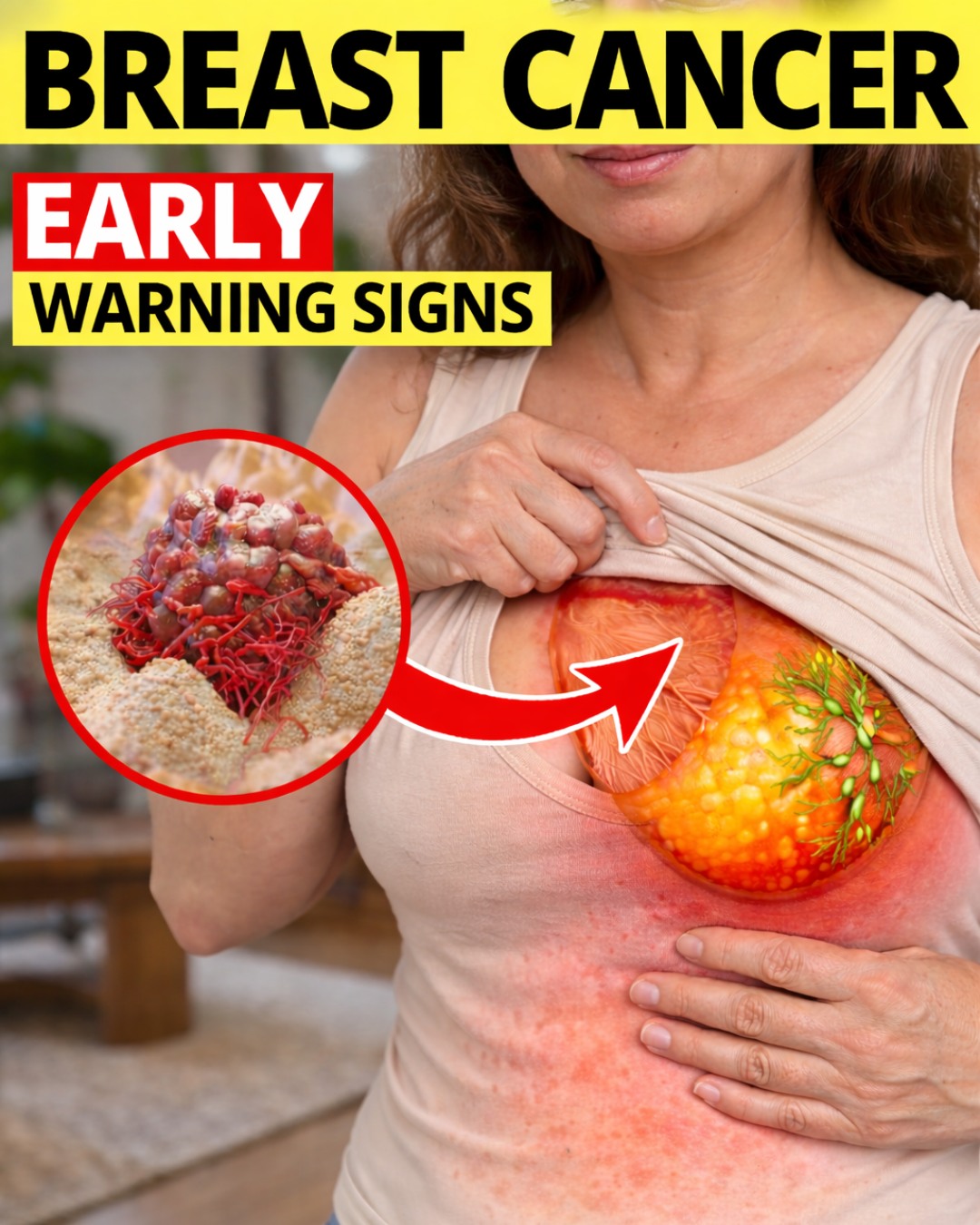
Breast cancer touches the lives of countless women around the world, and many times, the early signs can be subtle and easy to brush off as minor issues. In our busy daily routines, it’s natural to overlook small changes in your breasts or skin, which can create unnecessary worry and delay important conversations with your doctor. Yet being informed about potential indicators can empower you to take charge of your health proactively. But here’s the thing that might surprise you – some of the most telling signs aren’t always the obvious lumps you hear about, and understanding the full picture could be more important than you realize.
Why Awareness of Breast Cancer Signs Matters
Health organizations like the Centers for Disease Control and Prevention (CDC) and the Mayo Clinic emphasize that noticing changes early supports better discussions with healthcare providers. While many breast changes turn out to be benign, awareness helps you stay ahead and make informed choices. The good news is that simple habits like monthly self-checks and routine screenings can fit easily into your lifestyle.
The 10 Key Warning Signs of Breast Cancer to Watch For
Experts recommend keeping an eye on these common indicators. Keep in mind that these signs can have many causes, and only a healthcare professional can provide a proper evaluation. Here’s what to look for:
- A New Lump or Thickening in the Breast or Underarm
A lump or area that feels thicker than the surrounding tissue is one of the most reported changes. It may feel hard, soft, or irregular in shape. Research from the American Cancer Society highlights that while most lumps are not cancerous, any new one deserves prompt attention from your doctor.
- Changes in Breast Size or Shape
Sudden differences in how one breast looks compared to the other — whether in size, contour, or overall appearance — can be noticeable. This may happen gradually or appear more quickly over weeks. - Skin Dimpling or Puckering
The breast skin may develop a dimpled or puckered look, often described as resembling the peel of an orange (peau d’orange). This occurs when underlying tissues pull in an unusual way. - Redness or Rash on the Breast Skin
Redness, warmth, or a rash-like appearance on part or all of the breast can signal changes, especially in certain types like inflammatory breast cancer. The skin might look flushed, swollen, or have an orange-peel texture, similar to what the medical illustration in this article shows. But that’s not all — these skin changes can sometimes extend beyond the breast area. - Nipple Retraction or Inversion
A nipple that once pointed outward beginning to pull inward, flatten, or turn inward is worth noting if it’s a new development for you. - Nipple Discharge
Any fluid coming from the nipple other than breast milk — especially if clear, bloody, or yellowish — should be discussed with your healthcare provider right away.
- Breast or Nipple Pain or Tenderness
Persistent pain, tenderness, or discomfort in the breast or nipple area that doesn’t go away with your usual cycle can be a signal to monitor closely. - Swelling in Part or All of the Breast
One breast appearing swollen, heavier, or enlarged without an obvious lump is another change experts advise checking. - Changes in Skin Texture or Color
Flaky, scaly, thickened, or discolored skin on the breast or nipple area, including redness or darkening, deserves attention if it persists. - Swollen Lymph Nodes in the Underarm or Collarbone Area
Enlarged or tender lymph nodes near the breast or collarbone can sometimes reflect the body responding to breast tissue changes.
And here’s the surprising part: these signs often appear in combination or alone, and what matters most is anything new or different for your body. But wait, there’s more to staying proactive than just knowing the list.
How to Perform a Monthly Breast Self-Exam: Step-by-Step Guide
Building a simple monthly habit can help you become familiar with what feels normal for you. Try this straightforward routine recommended by health experts:
- In the Shower: Use the pads of your fingertips to move in small circles over the entire breast, from the outer edges toward the center. Check both sides and the underarm area.
- Standing in Front of a Mirror: Look for visible differences in size, shape, or skin texture with arms relaxed at your sides, then raised overhead, and finally with hands pressed on your hips.
- Lying Down: Place a pillow under one shoulder, use the opposite hand to examine the breast in circular motions with light, medium, and firm pressure.
Doing this consistently — ideally a few days after your period ends — helps you spot changes early. Many women find it takes just a few minutes once it becomes routine.
When Should You See a Doctor?
If you notice any of the signs above, schedule an appointment with your healthcare provider without delay. They can perform a clinical exam and recommend next steps like a mammogram, ultrasound, or biopsy if needed. Regular screenings are especially important for women age 40 and older, or earlier if you have additional risk factors. The key is acting on what you observe.
Other Factors to Consider for Breast Health
While watching for signs is essential, supporting your overall wellness through balanced eating, regular physical activity, limiting alcohol, and avoiding smoking can contribute to feeling your best. And the best part? These small daily choices add up to greater peace of mind.
Frequently Asked Questions About Breast Cancer Signs
Q1: Can breast pain alone be a sign of breast cancer?
Breast pain is very common and is often linked to hormonal changes, cysts, or other non-cancerous causes. However, if the pain is persistent, one-sided, or comes with other changes, it’s wise to have it evaluated by a doctor.
Q2: How often should I perform a breast self-exam?
Health experts generally recommend once a month. Choose a consistent time, such as right after your menstrual cycle when breasts are less tender, so you can notice any differences more easily.
Q3: Are these warning signs the same for everyone, including men?
The signs are similar for men, though breast cancer in men is much rarer. Anyone noticing changes in breast tissue or skin should consult a healthcare provider promptly for personalized guidance.
Staying informed about these potential warning signs of breast cancer is one of the smartest steps you can take for your well-being. By recognizing what’s normal for your body and reaching out to your doctor when something feels off, you’re actively supporting your health journey. Share this guide with friends and family — spreading awareness is something we can all do together.
Disclaimer: This article is for informational purposes only and does not replace professional medical advice. Always consult with a qualified healthcare provider for any concerns about your health or symptoms you may be experiencing.