Rediscovering Euphorbia hirta: The Traditional Botanical Behind Gentle Eye Comfort
Rediscovering Euphorbia hirta: The Traditional Botanical Behind Gentle Eye Comfort
Long hours of screen time, intense reading under artificial lights, and dry indoor environments can leave the eye area feeling heavy, fatigued, and tight. When artificial tears offer only temporary relief, many people turn to time-tested botanical traditions to soothe the sensitive skin and muscles surrounding the eyes.
Among the plants long utilized in regional folk practices is Euphorbia hirta—often called asthma plant, pill-bearing spurge, or known in Portuguese traditions as erva-de-Santa-Luzia. While modern social media has occasionally surrounded it with exaggerated claims, its authentic value lies in centuries-old external folk rituals aimed at gentle cooling and relaxation.
What Is Euphorbia hirta?
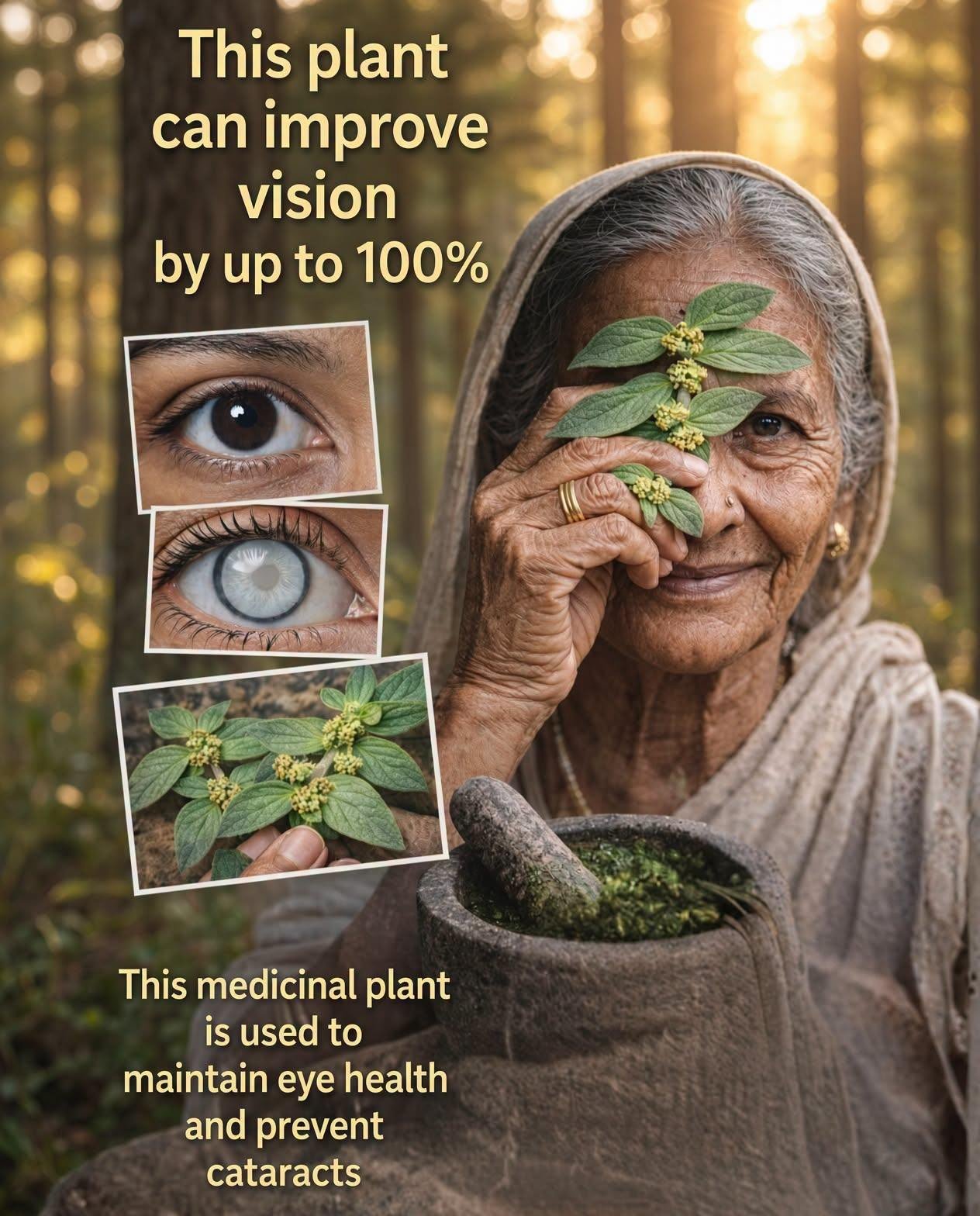
Euphorbia hirta is a small, hardy annual herb native to tropical and subtropical regions across Asia, Africa, and the Americas. Because it grows readily along pathways, open fields, and garden borders, it is frequently overlooked as an ordinary roadside weed.
Key identifying characteristics include:
Small, oval leaves with finely serrated edges and subtle fine hairs
Slender, reddish or pinkish-tinged stems
Clustered, minute flowers at the leaf nodes
A characteristic milky white latex that appears when stems or leaves are broken
Despite its modest appearance, ethnobotanical records reveal that indigenous communities have valued this plant for generations as a topical poultice and cooling botanical.
The Ethnobotanical Role in Eye Area Comfort
In traditional Asian and African wellness practices, Euphorbia hirta earned a reputation as a restorative, refreshing plant for external application. It was commonly turned to when eyes felt strained, hot, or tired after long periods of manual labor or exposure to sun and dust.
Crucial Safety Note: Traditional knowledge strictly limits the use of this plant to external-only preparations around closed eyelids or the temple area. The milky latex characteristic of the Euphorbia genus contains diterpene esters that can cause stinging and severe irritation if introduced into the eye itself.
Observed Botanical Properties
Modern phytochemical analyses of Euphorbia hirta have identified several active plant compounds:
Flavonoids & Polyphenols: Plant antioxidants such as quercetin, gallic acid, and rutin that help buffer against environmental oxidative stress.
Mild Soothing Compounds: Lab models show naturally occurring anti-inflammatory mechanisms that help explain why historical communities used the plant topically to calm puffiness and external redness.
Cooling Sensory Properties: When prepared as a diluted external compress, the herb imparts a naturally refreshing, cooling sensation to tired facial muscles.
Traditional Ways It Was Applied for Relaxation
In folk wellness systems, herbalists always prepared the plant with care, emphasizing dilution and cautious external placement:
| Application | Preparation Method | Purpose |
| Tempered Leaf Compress | Clean whole leaves washed thoroughly, lightly warmed, and placed over closed eyelids for 10 minutes. | Helps relax the delicate micro-muscles around the orbital socket. |
| Cool Temple Poultice | Crushed fresh leaves made into a light paste, applied exclusively to the temples or outer brow line. | Provides a soothing, cooling touch to relieve tension headaches and fatigue. |
| Diluted Herbal Infusion | Dried aerial parts steeped as a very weak tea, consumed in modest amounts as an occasional tonic. | Supports general systemic antioxidant balance and hydration. |
Why It Gained Attention Online—and What Science Actually Says
In recent seasons, wellness trends on social media platforms highlighted Euphorbia hirta, with some creators making unfounded claims about “restoring 20/20 vision” or “curing cataracts.”
It is vital to distinguish between traditional relaxation practices and evidence-based medicine:
No Vision Reversal: There is no clinical scientific evidence that Euphorbia hirta can correct refractive errors (myopia, hyperopia), reverse cataracts, or replace prescription lenses.
Supportive, Not Curative: Its authentic, grounded role is similar to that of chamomile or cucumber slices—providing gentle topical comfort and a peaceful break for overworked eyes.
Never Drop Inside the Eye: No home-brewed herbal liquid, tea, or sap should ever be dropped directly into the eye, as this can introduce bacteria or chemical abrasions to the cornea.
Safe, Everyday Steps for Screen Fatigue
If you spend multiple hours a day looking at digital screens, combine mindful botanical curiosity with scientifically verified lifestyle habits:
Practice the 20-20-20 Rule: Every 20 minutes, pause and focus on an object at least 20 feet away for 20 continuous seconds. This relaxes the ciliary muscles inside the eye.
Prioritize Ambient Lighting: Avoid looking at bright mobile devices in completely dark rooms; match screen brightness to room illumination to cut down glare.
Hydrate Consistently: Tear film quality is directly tied to total body hydration. Keep a water bottle within reach throughout the workday.
Patch Test Any Herbal Product: If experimenting with traditional external botanical pastes, always conduct a 24-hour patch test on your inner forearm first to ensure no localized allergic reaction occurs.
Summary
Euphorbia hirta represents a fascinating chapter in traditional ethnobotany, illustrating how everyday wild plants have been used to find comfort from daily exertion. When approached realistically—as a mild, external soothing agent rather than a medical cure—it serves as a reminder of nature’s subtle ways to help us pause, cool down, and recharge.
Disclaimer: This article is designed solely for informational, cultural, and educational purposes. It does not constitute medical advice or provide diagnosis, treatment, or cures for any visual or ocular disorder. Always seek direct guidance from a licensed ophthalmologist or optometrist for persistent vision changes or eye conditions.