Guava Fruit and Guava Leaves: Nourishing Everyday Habits for Tired, Screen-Strained Eyes
Guava Fruit and Guava Leaves: Nourishing Everyday Habits for Tired, Screen-Strained Eyes
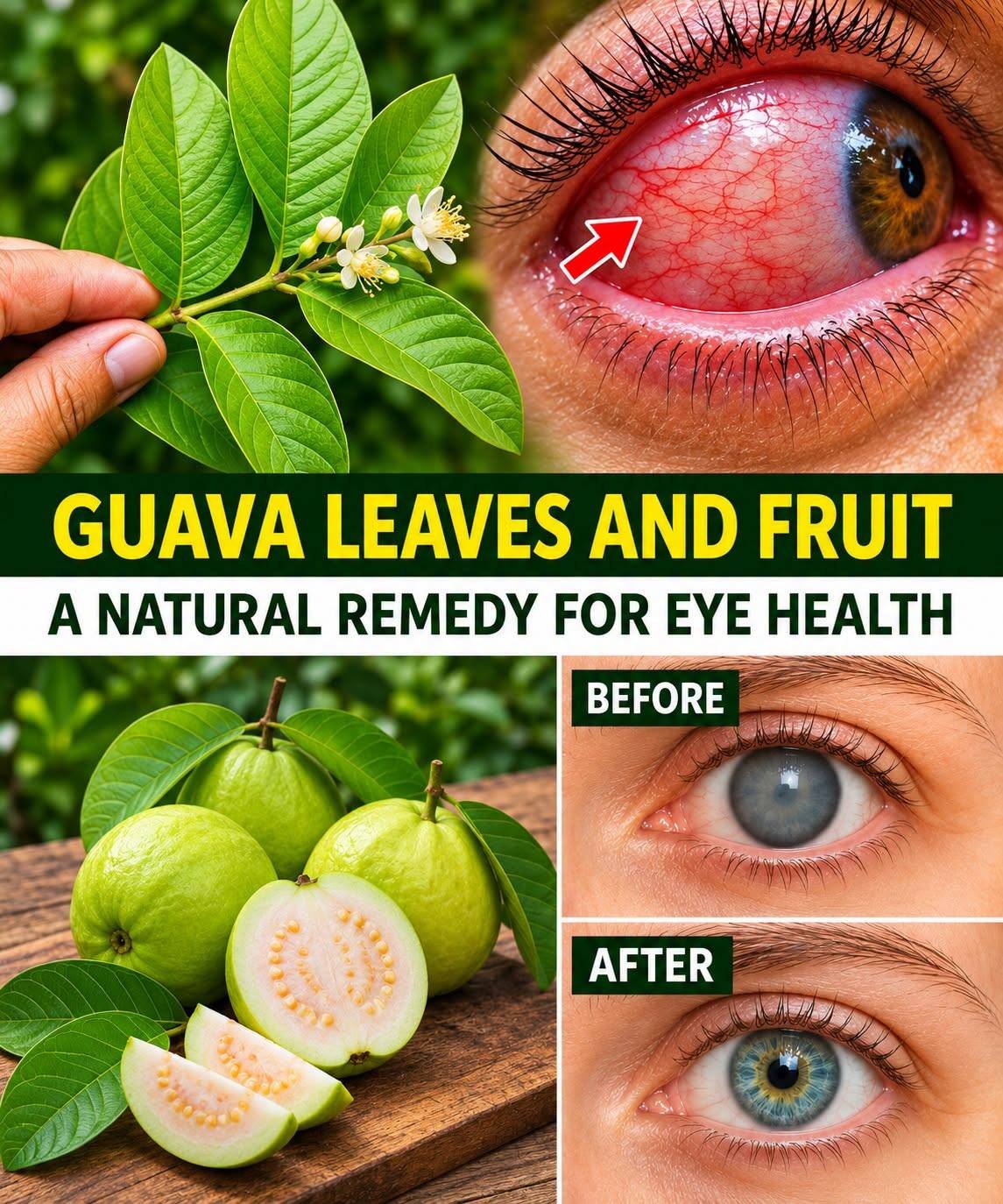
By the end of a long day in front of screens, many people notice their eyes feeling heavy, dry, or slightly gritty. Bright lights start to feel harsh, small text looks a little hazy, and rubbing your eyelids becomes an automatic habit. Lately, guava fruit and guava leaves have gained popularity online as natural additions to a wellness routine aimed at supporting eye comfort.
While no fruit or herbal tea is an instant cure for blurry vision or chronic redness, understanding what guava actually brings to the table—and how to pair it with smart daily habits—can help you care for your eyes more thoughtfully.
Why Guava Fruit and Leaves Are Getting Attention
When your eyes feel overworked, it is tempting to reach for an endless lineup of soothing drops or expensive specialty supplements. Adding whole, nutrient-rich foods to your diet offers a gentler, food-first way to support your body from the inside out:
Rich in Vitamin C: Fresh guava is remarkably high in vitamin C, an essential antioxidant that helps protect delicate eye tissues from everyday oxidative stress caused by screen glare, UV light, and environmental pollutants.
Beneficial Plant Compounds: Guava leaves contain natural polyphenols and flavonoids that have long been valued in traditional herbal teas for supporting overall circulation and cellular balance.
Hydration and Micronutrients: Along with vitamin A precursors and potassium, eating fresh fruit contributes to your daily hydration—a key factor in keeping the surface of your eyes comfortable.
Rather than masking dryness temporarily, consistent nutrition helps build a healthier internal environment that supports normal tissue function over time.
What Happens When Eyes Are Overworked
Think of your eyes like a camera lens sitting behind a dry windshield. When you spend hours focusing on phones or computers without blinking enough, the tear film evaporates faster, leaving the surface feeling scratchy, tired, or mildly irritated. Small surface blood vessels may look more noticeable simply because your eyes are fatigued.
Supporting your body with antioxidant-rich foods—alongside plenty of water and screen breaks—helps your eyes recover more comfortably overnight, so mornings start with less puffiness and strain.
How to Prepare Guava and Guava Leaves Without Losing Nutrients
One common mistake in the kitchen is over-processing fresh ingredients. Boiling leaves too aggressively or loading fruit drinks with refined sugar can diminish their natural goodness. Keep things simple and gentle:
Enjoy Fresh Guava Raw: Eat ripe guava slices as a crisp afternoon snack, or toss diced guava into a light salad with leafy greens and a squeeze of lime to preserve its delicate vitamin C.
Brew a Gentle Guava Leaf Tea: Rinse 4–5 clean, young guava leaves thoroughly. Simmer them gently in 2 cups of water for 5–7 minutes (avoid a harsh, prolonged boil), strain, and enjoy warm without added sugar.
Never Apply Homemade Liquids to Your Eyes: Guava leaf tea and fruit extracts are meant to be consumed as part of your diet—never use homemade infusions as eye drops or eye washes, as non-sterile liquids can irritate or harm the eye.
Everyday Habits That Make the Biggest Difference
Food works best when paired with simple, consistent eye-care habits:
Follow the 20-20-20 rule: Every 20 minutes of screen time, look at an object 20 feet away for at least 20 seconds to relax your focusing muscles.
Stay well hydrated: Drinking water steadily throughout the day supports natural tear production.
Prioritize restful sleep: Quality sleep gives strained eye muscles and surface tissues essential recovery time.
Protect against UV rays: Wear sunglasses outdoors to shield your eyes from sun and wind.
Gentle Safety Reminders
Check medication interactions: Concentrated guava leaf tea may affect blood sugar levels in some individuals. If you take diabetes medications or are pregnant or nursing, check with your healthcare provider before drinking herbal teas regularly.
Know when to see an eye doctor: Occasional tiredness from screen use is common, but persistent redness, sudden blurry vision, eye pain, or light sensitivity should always be evaluated by an optometrist or ophthalmologist.
Frequently Asked Questions
Can guava leaves cure blurry vision? No. While guava fruit and leaves provide helpful antioxidants and vitamins that support general wellness, they cannot correct refractive errors, cataracts, or medical eye conditions. Always schedule an eye exam for ongoing vision changes.
Is guava fruit good for overall eye nutrition? Yes. Guava is packed with vitamin C, vitamin A precursors, and antioxidants that complement other eye-friendly foods like carrots, spinach, and berries as part of a balanced diet.
How often can I drink guava leaf tea? For most healthy adults, enjoying a mild cup of unsweetened guava leaf tea a few times a week is a soothing, caffeine-free way to stay hydrated and add plant antioxidants to your routine.
Disclaimer: This article is for informational purposes only and does not replace professional medical or optometric advice. Always consult a qualified healthcare provider regarding any persistent eye discomfort or changes in vision.