
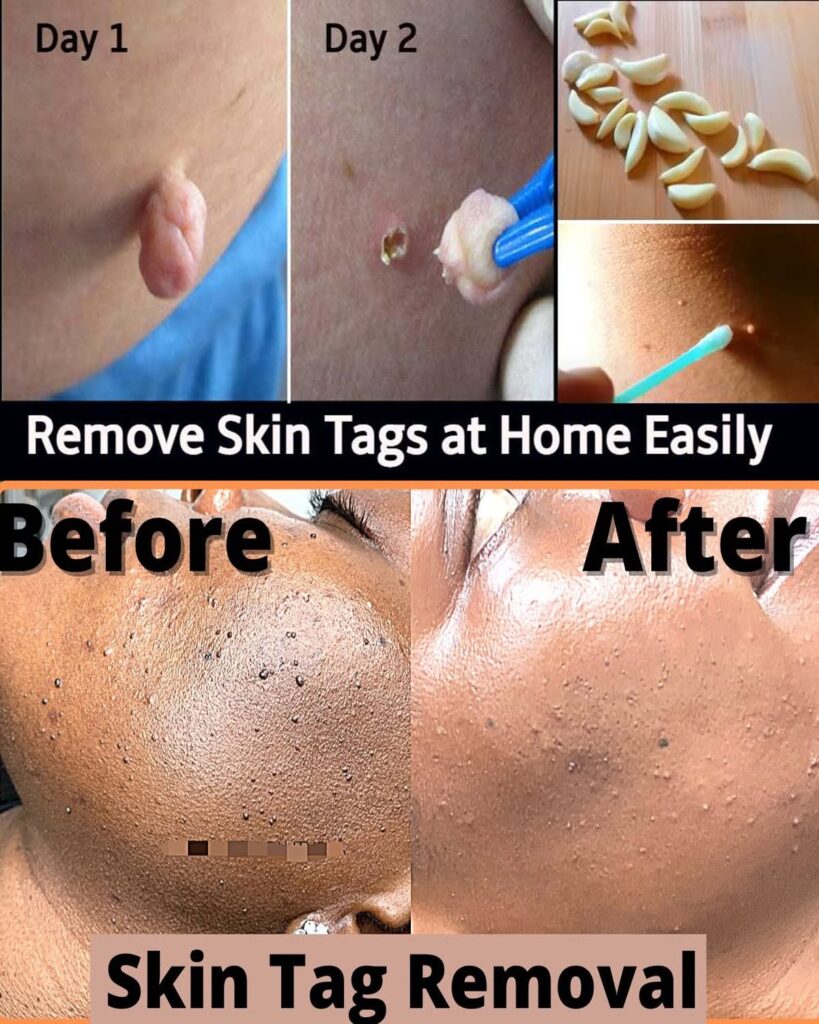
Imagine catching a glimpse of a skin tag in the mirror, that small, fleshy bump nagging at your confidence. What if a dab of Vaseline could help it vanish by morning? Skin tags affect 50% of adults over 50, yet simple remedies are often ignored. The smooth, familiar texture of Vaseline might hold a surprising solution. Curious about how this household staple could work? Let’s uncover its potential to transform your skin and boost your self-esteem.
The Hidden Frustration of Skin Tags
Skin tags, though harmless, can be a daily annoyance. They catch on clothing, itch, or make you self-conscious. Over 60 million Americans deal with them, yet costly creams or doctor visits aren’t always practical. Many feel stuck, hiding tags under scarves or makeup. What if a natural, affordable fix was already in your bathroom? Let’s explore how Vaseline might help and why it’s worth a try.
9 Surprising Benefits of Using Vaseline for Skin Tags
9. Softens Skin Tags
Picture Lisa, a 48-year-old teacher, embarrassed by a neck skin tag. She tried Vaseline and felt it soften overnight. Anecdotal evidence suggests Vaseline’s occlusive nature may loosen tags. The creamy texture soothes skin. Wondering what else it does? The next benefit is a confidence booster.
8. Reduces Irritation
Ever wince when a tag rubs your collar? Tom, a 52-year-old mechanic, did until Vaseline eased the friction. Its protective barrier may calm irritated skin, per dermatology insights. Less discomfort could mean more comfort. Could this soothe your skin? Keep reading for a surprise.
7. Hydrates Surrounding Skin
Dry skin around tags looks dull. Vaseline locks in moisture, potentially improving skin texture, studies suggest. Lisa noticed smoother skin after one night. Imagine a softer, healthier glow. Ready for better skin? The next perk is practical.
6. Minimizes Scarring Risk
Worried about marks after tag removal? Vaseline may promote healing, reducing scarring, per research. Its gentle seal protects new skin. Picture flawless results. Could this be your secret weapon? But wait, the next benefit is cost-saving.
5. Affordable and Accessible
Doctor visits can cost hundreds. Vaseline, a household staple, is pennies per use. Tom saved money using this trick. It’s right in your cabinet, ready to help. Want a budget-friendly fix? The next benefit is a time-saver.
4. Quick Application
Busy mornings? Applying Vaseline takes seconds. Lisa dabbed it on before bed, waking to results. Its ease fits any schedule. Imagine a hassle-free routine. Could this simplify your life? The next perk is subtle but powerful.
3. Non-Invasive Approach
Surgery sounds daunting. Vaseline offers a gentle alternative, potentially loosening tags naturally. Tom avoided the scalpel with this method. It’s like a soft touch for your skin. Ready for a painless option? The next benefit is a game-changer.
2. Boosts Confidence
Skin tags can dent self-esteem. Lisa felt freer wearing her favorite necklace after trying Vaseline. A smoother appearance may lift your mood. Imagine feeling bold again. Curious about the final perk? It’s transformative.
1. Supports Skin Health
What if one product could change your skin game? Lisa and Tom felt empowered after using Vaseline. Its moisturizing and protective qualities may support overall skin health, per studies. This could be your daily ritual. Ready to try it? Let’s see how.
Comparing Vaseline to Other Skin Tag Remedies
| Aspect | Vaseline | Other Remedies |
|---|---|---|
| Cost | Under $5, widely available | $20-$200 (creams, procedures) |
| Application | Simple, at-home, seconds | May require tools or visits |
| Invasiveness | Non-invasive, gentle | Often invasive (cutting, freezing) |
| Side Effects | Minimal, if used correctly | Irritation, scarring possible |
| Accessibility | Found in most homes | Prescription or specialty needed |
How to Use Vaseline for Skin Tags Safely
You might be thinking, “Is this safe to try?” Here’s a simple guide to using Vaseline for skin tags effectively and safely.
| Step | Instructions | Safety Tips |
|---|---|---|
| Clean Area | Wash skin tag with soap, water | Ensure skin is dry before applying |
| Apply Vaseline | Dab a small amount on tag | Use clean fingers or cotton swab |
| Cover | Bandage loosely overnight | Avoid tight bandages to prevent irritation |
| Check Morning | Rinse, observe for changes | Stop if redness or pain occurs |
| Consult Doctor | Seek advice before starting | Essential for unusual tags |
Concerned about risks? Anecdotal reports suggest Vaseline is safe for most, but irritation is possible. Always consult a healthcare provider before trying, especially if tags change in size or color. Lisa and Tom checked with their doctors first. Ready to give it a go?
Take Charge of Your Skin Today
What if a skin tag is holding back your confidence? Vaseline might soften tags, reduce irritation, and boost your self-esteem—all overnight. Lisa and Tom reclaimed their comfort with this simple trick. Feel the smooth Vaseline, imagine clearer skin, and take action. Consult your doctor to ensure it’s right for you. Why live with discomfort? Try this tonight and share with someone who needs a confidence lift.
P.S. Did you know Vaseline was discovered in the 1800s as a skin healer? Add a drop of tea tree oil for extra soothing!
This article is for informational purposes only and is not a substitute for professional medical advice. Consult your healthcare provider for personalized guidance.