DIY Anti-Aging Face Oil: A Natural Recipe for Soft, Hydrated, Glowing Skin
DIY Anti-Aging Face Oil: A Natural Recipe for Soft, Hydrated, Glowing Skin
Taking care of your skin doesn’t always require expensive beauty products or complicated skincare routines. Sometimes, a simple combination of nourishing plant oils can help your skin feel softer, smoother, and more hydrated.
As we get older, our skin naturally changes. Fine lines may become more noticeable, skin can lose some of its elasticity, and dryness may make wrinkles appear more prominent. Environmental exposure, sun damage, and everyday stress can also affect the appearance of our complexion.
One popular homemade skincare idea is an anti-aging facial oil made with argan oil, rosehip oil, carrot seed oil, and essential oils. These ingredients are known for their different cosmetic properties and can be combined to create a nourishing facial oil.
But what can this mixture realistically do for your skin? Let’s look at its ingredients, preparation, potential benefits, and important precautions.
Why Use Natural Oils for Skin Care?
Facial oils are commonly used to support the skin’s moisture barrier and reduce feelings of dryness.
Some plant oils contain fatty acids and antioxidant compounds that help condition the skin. When applied appropriately, they can leave the complexion feeling softer and give it a healthy-looking appearance.
A well-formulated facial oil may help:
- Reduce the feeling of dry, tight skin.
- Improve skin softness and smoothness.
- Make fine lines caused by dehydration less noticeable.
- Support the skin’s natural moisture barrier.
- Give the complexion a temporary healthy-looking glow.
However, facial oils cannot stop the natural aging process or replace proven treatments for wrinkles and sun damage.
4 Ingredients Commonly Used in Anti-Aging Facial Oils
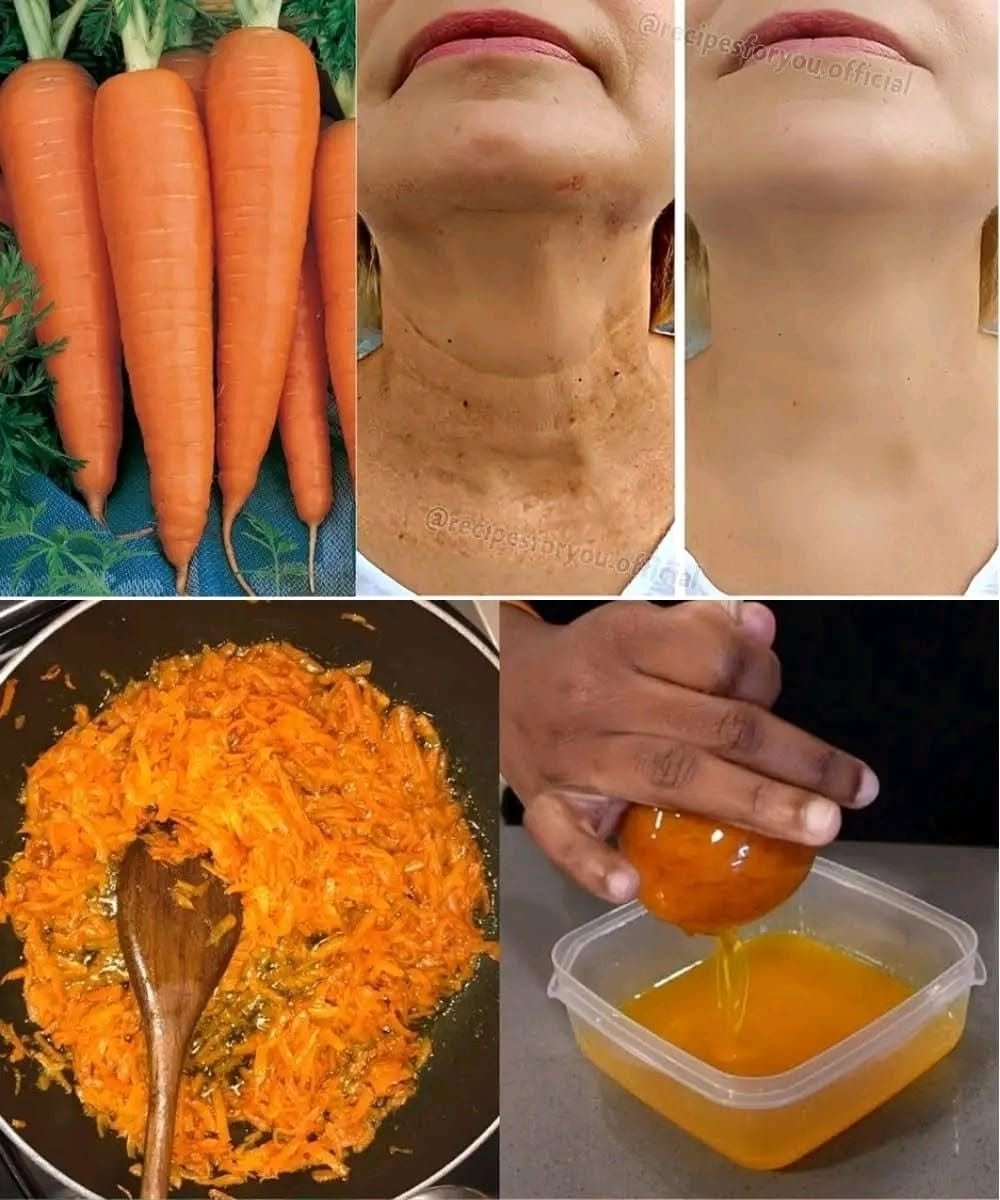
1. Carrot Seed Oil
Carrot seed oil is used in various cosmetic formulations because of its aromatic and naturally occurring plant compounds.
It is important to distinguish carrot seed essential oil from carrot-infused carrier oil. They are different products and should not be substituted for one another.
Neither has been clinically established as a treatment for wrinkles or a replacement for sunscreen.
2. Argan Oil
Argan oil is obtained from the kernels of the argan tree and is widely used in skincare and hair-care products.
It contains fatty acids, including oleic and linoleic acids, as well as vitamin E compounds.
Potential cosmetic benefits include:
- Helping soften dry skin.
- Improving skin smoothness.
- Reducing moisture loss.
- Supporting the skin’s protective barrier.
Its moisturizing properties make it a popular ingredient in facial oils.
3. Rosehip Oil
Rosehip oil is extracted from the seeds of certain rose species.
It contains essential fatty acids and naturally occurring antioxidant compounds, making it a popular ingredient in moisturizing skincare products.
It may help improve the appearance of dry skin and support a smoother-looking complexion.
Although rosehip oil is frequently promoted for pigmentation and wrinkles, strong clinical evidence supporting these claims remains limited.
4. Frankincense and Lavender Essential Oils
Frankincense and lavender essential oils are commonly used in aromatherapy and cosmetic preparations.
Frankincense has a distinctive fragrance, while lavender is known for its floral scent.
However, essential oils can cause irritation or allergic contact dermatitis, especially on sensitive facial skin. They are not essential for achieving the moisturizing benefits of this recipe.
For sensitive skin, it is safer to leave them out.
DIY Nourishing Anti-Aging Face Oil Recipe
Here is a simple facial oil recipe that focuses on moisturizing ingredients.
Ingredients
- 1 tablespoon pure argan oil.
- 1 tablespoon rosehip seed oil.
- 1 tablespoon jojoba oil.
Instructions
- Start with a clean, dry glass dropper bottle.
- Add the argan oil.
- Pour in the rosehip seed oil.
- Add the jojoba oil.
- Close the bottle and gently shake until combined.
- Store in a cool, dark place, following the storage recommendations for the individual oils.
This fragrance-free version avoids unnecessary essential oils and is a more cautious option for facial use.
How to Apply Your Homemade Face Oil
Using facial oil correctly can help reduce the possibility of irritation and excessive greasiness.
- Wash your face with a gentle cleanser.
- Pat your skin dry, leaving it slightly damp if preferred.
- Apply two or three drops of the mixture to your fingertips.
- Gently spread it over your face without pulling or rubbing the skin.
- Allow it to absorb before applying other products.
Start with occasional evening use rather than applying it several times daily.
If your skin is comfortable with the product, you can adjust the frequency according to your skin type.
Potential Benefits of Using Facial Oil Regularly
Helps Reduce Dryness
One of the main benefits of facial oils is their ability to condition the skin and reduce moisture loss.
Well-moisturized skin often looks smoother and feels more comfortable.
Makes Fine Lines Less Noticeable
Dehydrated skin can make fine lines appear more pronounced.
By improving skin hydration, a facial oil may temporarily soften the appearance of these lines.
This does not mean it removes established wrinkles.
Supports a Healthy-Looking Glow
Dry, rough skin can sometimes appear dull.
A small amount of facial oil can give the complexion a smoother appearance and a temporary natural-looking glow.
Helps Condition the Skin Barrier
Certain plant oils contain fatty acids that help condition the outer layer of the skin.
This can be particularly useful for people experiencing mild dryness.
Important: Facial Oil Is Not a Replacement for Botox or Retinol
You may see homemade facial oils described as natural alternatives to Botox. This comparison is misleading.
Botox works by temporarily reducing the activity of specific facial muscles. Facial oils work primarily on the skin’s surface by providing conditioning and moisturizing benefits.
They do not produce the same effects.
Similarly, ordinary carrot seed oil should not be confused with prescription retinoids or proven topical retinol products.
For a more evidence-based anti-aging routine, consider:
- Daily broad-spectrum SPF 30 or higher sunscreen.
- A gentle moisturizer.
- Retinol or another suitable retinoid, if appropriate for your skin.
- Avoiding smoking and excessive sun exposure.
Safety Tips Before Applying Homemade Facial Oil
Natural ingredients can still cause unwanted reactions.
Before using a new mixture:
- Perform a patch test according to the product’s safety instructions.
- Avoid applying it around the eyes.
- Do not use it on broken, inflamed, or irritated skin.
- Choose pure, cosmetic-grade ingredients from reputable suppliers.
- Stop immediately if you experience burning, redness, itching, or swelling.
- Keep the mixture away from direct sunlight and excessive heat.
Rosehip oil can oxidize over time, so pay attention to its expiry date and discard it if its smell or appearance changes.
If you have sensitive skin, eczema, or a history of cosmetic allergies, consult a dermatologist before experimenting with homemade facial oils.
Frequently Asked Questions
1. Can this homemade oil remove wrinkles?
No facial oil can reliably remove established wrinkles. However, moisturizing ingredients can temporarily make dehydration-related fine lines appear less noticeable.
2. Can I use this mixture every night?
You can gradually introduce it into your evening routine if your skin tolerates it. Start with a small amount and discontinue use if irritation develops.
3. Is this facial oil suitable for oily skin?
Some people with oily skin tolerate lightweight facial oils, while others find them too