The Secret to Removing Tartar and Whitening Teeth? What Really Works in Just 2 Minutes
The Secret to Removing Tartar and Whitening Teeth? What Really Works in Just 2 Minutes
Have you noticed yellow stains, hard deposits, or discoloration on your teeth when looking in the mirror? These common dental concerns can affect the appearance of your smile and make you feel less confident.
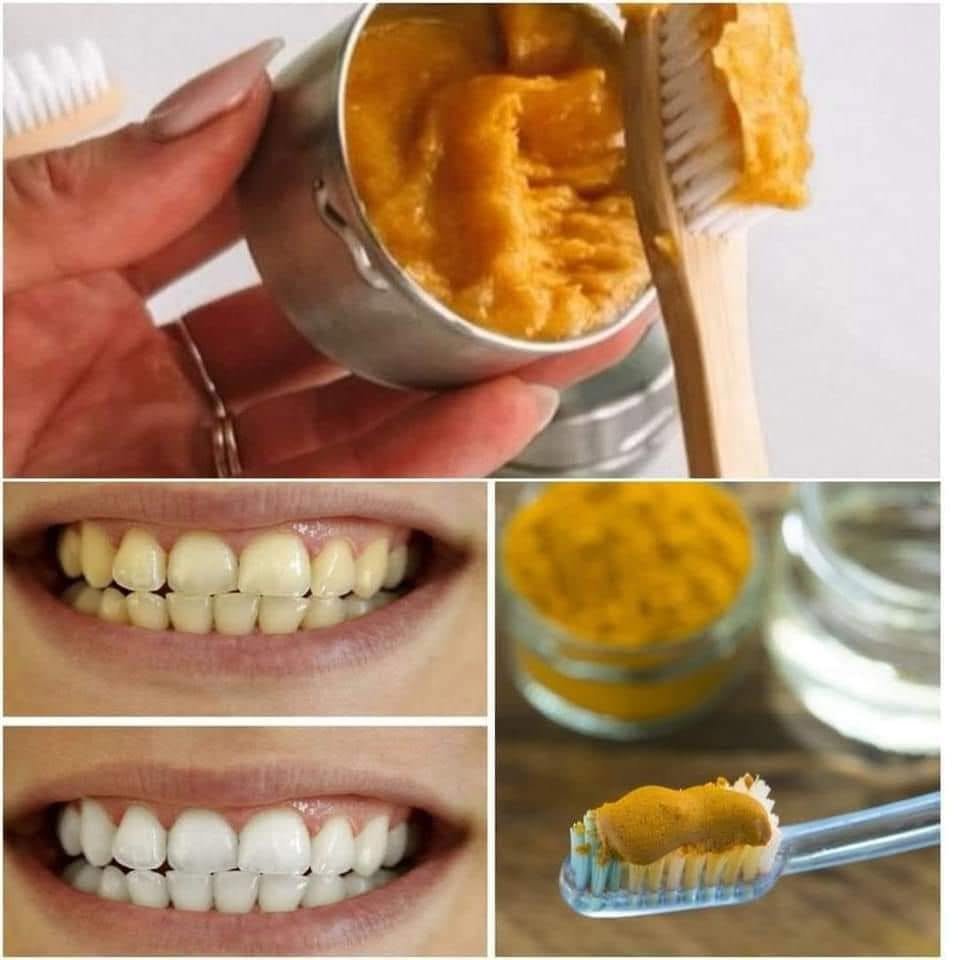
Many people search for quick and inexpensive ways to remove tartar and whiten their teeth at home. Social media is full of homemade remedies claiming to clean teeth and restore their natural whiteness in just two minutes.
But can a simple household ingredient really remove hardened tartar and whiten teeth instantly?
The truth is that good oral hygiene can help prevent plaque buildup and keep teeth looking cleaner, but removing established tartar usually requires professional dental cleaning.
Let’s explore what causes tartar, how to maintain a brighter smile, and which home remedies you should avoid.
1. What Is Dental Tartar?
Dental tartar, also known as calculus, is hardened plaque that forms on teeth when plaque is not removed effectively.
Plaque is a sticky film containing bacteria that constantly develops on the teeth. If it remains on the tooth surface, minerals in saliva can cause it to harden.
Tartar commonly develops:
- Along the gumline.
- Behind the lower front teeth.
- Between teeth.
- Around areas that are difficult to clean.
Unlike soft plaque, hardened tartar cannot usually be removed with an ordinary toothbrush or dental floss.
A dentist or dental hygienist uses specialized instruments to remove these deposits safely.
2. Why Do Teeth Become Yellow?
Tooth discoloration can develop for several reasons.
Food and drinks: Coffee, tea, red wine, and certain foods can leave stains on the tooth surface.
Smoking: Tobacco can cause noticeable yellow or brown discoloration.
Aging: As people get older, the outer enamel gradually wears down, allowing the naturally yellowish dentin underneath to become more visible.
Poor oral hygiene: Inadequate brushing and flossing can allow plaque and stains to accumulate.
Certain medications and dental conditions: Some medications, developmental conditions, and dental injuries can change tooth color.
Understanding the cause of discoloration helps determine the safest way to improve the appearance of your teeth.
3. Can You Remove Tartar in Just Two Minutes?
This is one of the most important things to understand.
Although brushing for two minutes is an essential part of daily dental care, it does not mean that hardened tartar will disappear in two minutes.
Brushing helps remove soft plaque before it hardens into calculus.
Once tartar has formed, professional scaling is generally necessary to remove it.
Trying to scrape tartar away yourself with sharp objects, metal tools, or abrasive mixtures can damage your enamel and gums.
4. Five Simple Habits for Cleaner and Brighter Teeth
You do not need expensive products to build a good oral hygiene routine.
Here are five practical habits that can make a difference.
Brush Twice a Day
Brush your teeth for two minutes, twice daily, using a fluoride toothpaste.
Choose a soft-bristled toothbrush and gently clean all tooth surfaces, including the areas near the gumline.
Floss Every Day
A toothbrush cannot effectively reach every space between your teeth.
Daily flossing helps remove food particles and plaque from areas that brushing may miss.
Drink Plenty of Water
Water helps rinse away food particles and supports saliva production.
Drinking water after meals is also a simple way to reduce the amount of food residue left in your mouth.
Limit Sugary Foods and Drinks
Frequent consumption of sugary foods and drinks encourages bacteria to produce acids that damage tooth enamel.
Try to reduce sugary snacks and avoid sipping sweetened beverages throughout the day.
Visit Your Dentist Regularly
Professional dental examinations and cleaning help identify problems early and remove hardened tartar that cannot be eliminated through ordinary brushing.
5. Natural Ways to Support Oral Hygiene
Some everyday habits can support a healthy mouth without relying on aggressive homemade whitening treatments.
- Eat crunchy fruits and vegetables, such as apples and carrots, as part of a balanced diet.
- Choose unsweetened beverages instead of sugary drinks.
- Rinse your mouth with plain water after consuming staining foods or drinks.
- Maintain consistent brushing and flossing habits.
- Use fluoride toothpaste to help protect enamel against tooth decay.
Remember that these habits support oral health but do not dissolve established tartar or replace professional dental treatment.
6. Home Whitening Remedies You Should Be Careful With
Many online recipes recommend using lemon juice, vinegar, charcoal, or baking soda mixtures to whiten teeth.
However, these methods are not all safe.
Lemon juice and vinegar: Their acidity can weaken and erode tooth enamel.
Charcoal powders: There is insufficient evidence that charcoal toothpaste provides safe and effective whitening. Some products may be abrasive.
Aggressive baking soda scrubbing: Although baking soda is used in certain formulated toothpastes, rubbing homemade abrasive mixtures onto teeth can irritate gums and damage dental surfaces.
For safer whitening, consider dentist-approved whitening products or professional whitening treatment after discussing your dental health with a qualified professional.
7. When Should You See a Dentist?
Do not ignore the following dental problems:
- Hard yellow or brown deposits near the gums.
- Bleeding gums during brushing.
- Persistent bad breath.
- Swollen or painful gums.
- Tooth sensitivity.
- Loose teeth or gum recession.
These symptoms may indicate tartar buildup, gum disease, tooth decay, or other dental problems that need professional attention.
Conclusion
A brighter smile begins with good daily dental care, not miracle remedies.
Brushing for two minutes twice daily, flossing, using fluoride toothpaste, and limiting sugary foods can help prevent plaque buildup and protect your teeth.
However, hardened tartar cannot usually be removed at home in two minutes. Professional dental cleaning remains the safest and most reliable way to remove it.
If you want whiter teeth, choose safe, evidence-based whitening methods and avoid acidic or abrasive internet remedies.
Your teeth deserve proper care, not risky shortcuts!