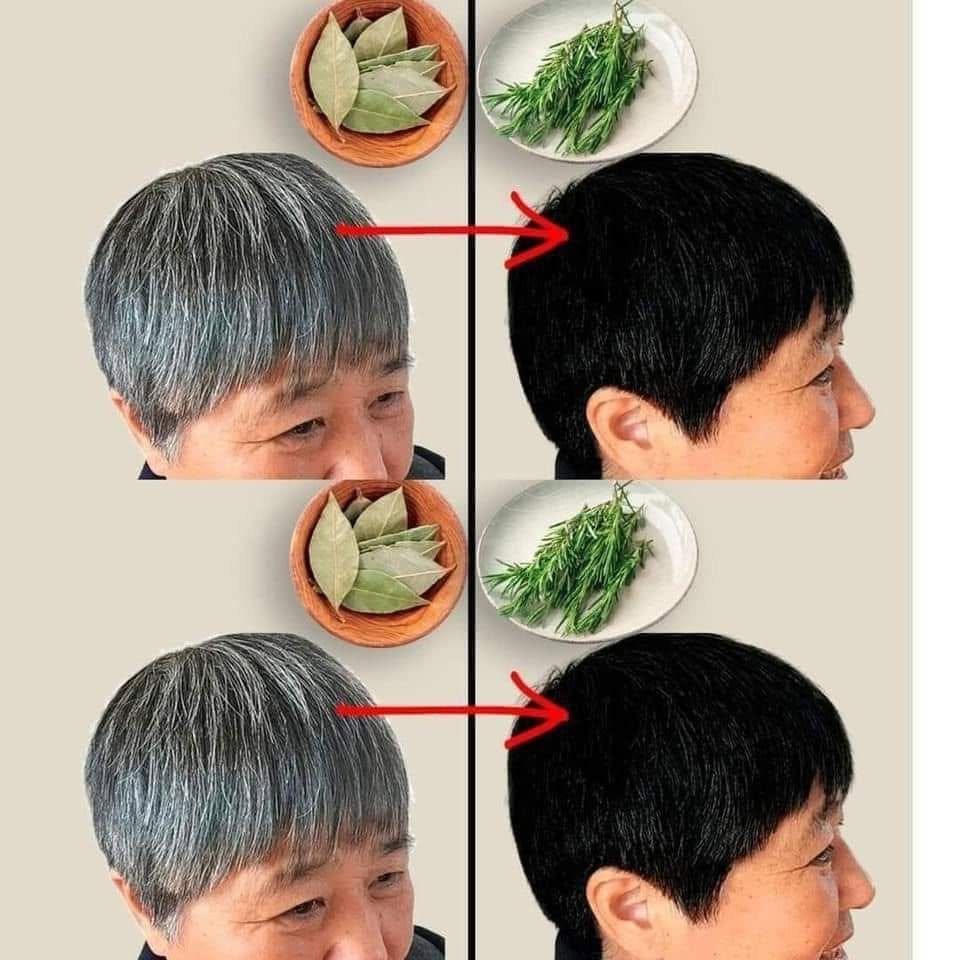
Add This to Your Shampoo to Get Rid of Gray Hair? The Truth About Rosemary and Bay Leaves
Add This to Your Shampoo to Get Rid of Gray Hair? The Truth About Rosemary and Bay Leaves
Have you started noticing gray or white strands appearing in your hair? For many people, gray hair is an unwelcome reminder of aging. While some embrace their natural silver hair, others prefer to maintain their original hair color for as long as possible.
Social media is full of natural hair remedies claiming that simple kitchen ingredients can restore dark hair. One popular combination features rosemary and bay leaves, which are often used in homemade hair rinses and scalp treatments.
But can adding these ingredients to your shampoo really turn gray hair black in just four minutes?
Let’s explore the traditional remedy, its potential hair-care benefits, and what science actually says.
1. Why Does Hair Turn Gray?
Hair gets its natural color from a pigment called melanin, which is produced by specialized cells known as melanocytes inside hair follicles.
As we age, these cells gradually become less active or stop producing sufficient pigment. New hair then grows with less color, eventually appearing gray or white.
Several factors can influence when someone starts developing gray hair:
- Age: Natural aging is the most common reason for graying.
- Genetics: Family history plays an important role in determining when hair turns gray.
- Nutritional deficiencies: Low levels of vitamin B12, iron, or certain other nutrients may contribute to premature graying in some people.
- Smoking: Research has associated smoking with an increased likelihood of premature hair graying.
- Certain medical conditions: Some thyroid and autoimmune disorders can be associated with changes in hair pigmentation.
Understanding the cause is important because not all gray hair has the same underlying explanation.
2. Rosemary: A Popular Natural Ingredient for Hair Care
Rosemary is an aromatic herb traditionally used in cooking and natural hair-care preparations.
It contains naturally occurring plant compounds, including antioxidants, that have attracted interest in hair and scalp research.
Potential hair-care properties include:
- Providing antioxidant compounds.
- Being used in scalp massage preparations.
- Supporting a pleasant, refreshing hair-care routine.
- Potentially helping with certain types of hair loss, although research remains limited.
Rosemary oil has been studied for hair growth, but evidence that it can restore natural pigment to gray hair is lacking.
It is important to distinguish between supporting hair growth and reversing the loss of hair color. They are not the same thing.
3. Bay Leaves: Another Traditional Hair-Care Ingredient
Bay leaves are commonly used to flavor soups, sauces, and other dishes. They also contain naturally occurring plant compounds that have antioxidant properties.
In traditional home remedies, bay leaves are sometimes boiled in water to prepare herbal rinses for hair.
People use these preparations as part of their hair-care routines because they are inexpensive and easy to make.
However, there is currently no reliable clinical evidence showing that bay leaves can reactivate pigment-producing cells or permanently turn gray hair black.
4. Can Rosemary and Bay Leaves Reverse Gray Hair?
This is where it is important to separate traditional beliefs from scientific evidence.
Rosemary and bay leaves contain interesting natural compounds, but there is no established scientific evidence that mixing them with shampoo can permanently reverse gray hair.
The appearance of hair color depends on melanin production inside the hair follicle. A shampoo applied to the outside of the hair cannot reliably restore this biological process.
Some homemade herbal preparations may temporarily stain hair or leave a slight tint, depending on their ingredients, but this is not the same as reversing gray hair.
If gray hair appears unusually early or develops alongside other symptoms, a healthcare professional can assess whether nutritional deficiencies or medical conditions may be contributing.
5. How to Prepare a Rosemary and Bay Leaf Hair Rinse
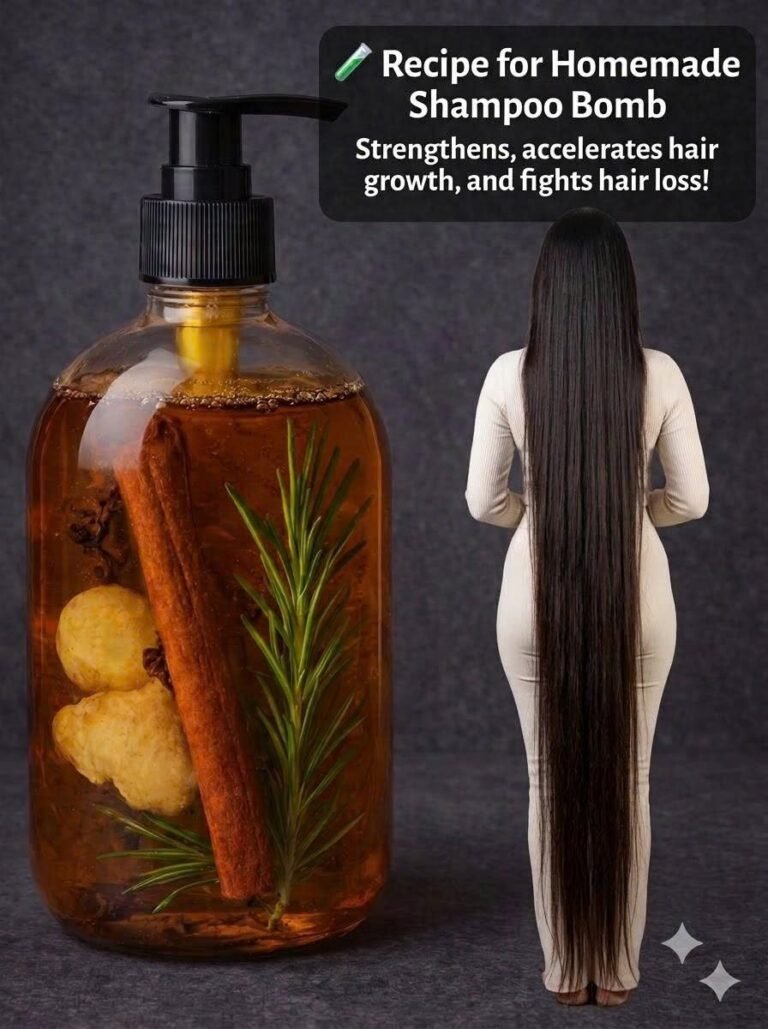
Although this mixture is not a proven gray-hair treatment, you can prepare a simple herbal rinse as part of your regular hair-care routine.
Ingredients:
- 2 cups of water
- 1 tablespoon dried rosemary or a small fresh rosemary sprig
- 3–4 dried culinary bay leaves
Preparation:
- Pour the water into a small saucepan.
- Add the rosemary and bay leaves.
- Bring the mixture to a gentle boil.
- Reduce the heat and simmer for approximately 5–10 minutes.
- Turn off the heat and allow the mixture to cool completely.
- Strain the liquid to remove the leaves and herbs.
- Transfer the cooled rinse into a clean container.
How to use it:
- Wash your hair with your usual shampoo.
- Apply a small amount of the cooled herbal rinse to your scalp and hair.
- Massage gently without scratching your scalp.
- Leave it briefly, then rinse with clean water.
Avoid storing homemade herbal preparations for extended periods. Discard them if their smell, appearance, or texture changes.
Do not add concentrated rosemary essential oil directly to shampoo without appropriate dilution and professional guidance.
6. Important Precautions Before Trying Homemade Hair Remedies
Natural ingredients can still cause unwanted reactions.
- Perform a small patch test before using a new preparation.
- Avoid applying the mixture to irritated, broken, or inflamed skin.
- Stop using it if you experience itching, burning, redness, or swelling.
- Keep homemade herbal rinses away from your eyes.
- Do not use essential oils undiluted on the scalp.
- Avoid assuming that natural treatments are automatically safe or effective.
If you have a sensitive scalp or an existing skin condition, consult a dermatologist before trying homemade treatments.
7. Nutrients That Support Healthy Hair
Although no particular food has been proven to reverse ordinary age-related gray hair, a balanced diet provides nutrients needed for normal hair growth and pigmentation.
Consider including:
Vitamin B12: Found in fish, eggs, dairy products, and fortified foods. Deficiency can sometimes be associated with premature graying.
Iron: Found in lean meat, beans, lentils, and leafy green vegetables. Iron deficiency can contribute to hair problems.
Copper: Found in nuts, seeds, whole grains, and shellfish. Copper plays a role in normal melanin production.
Protein: Eggs, fish, chicken, beans, and dairy provide protein needed for healthy hair structure.
Zinc: Found in meat, seafood, legumes, and nuts. It supports normal cell function and hair health.
Nutritional supplements should only be used when appropriate. Taking excessive amounts of vitamins or minerals can be harmful.
Conclusion
Rosemary and bay leaves are popular ingredients in traditional hair-care remedies, and they can be used to prepare a simple homemade herbal rinse.
However, there is no reliable evidence that adding them to shampoo can permanently eliminate gray hair in four minutes. Natural age-related graying occurs because hair follicles gradually lose their ability to produce melanin.
The best approach is to maintain a balanced diet, look after your scalp, investigate unusually early graying when appropriate, and choose safe hair-coloring options if you want to cover gray strands.
Enjoy herbal hair-care preparations for their traditional uses, but be cautious of promises that claim to reverse aging overnight.