Take Garlic, But Avoid This Common Mistake! 95% of People Are Unaware
Take Garlic, But Avoid This Common Mistake! 95% of People Are Unaware
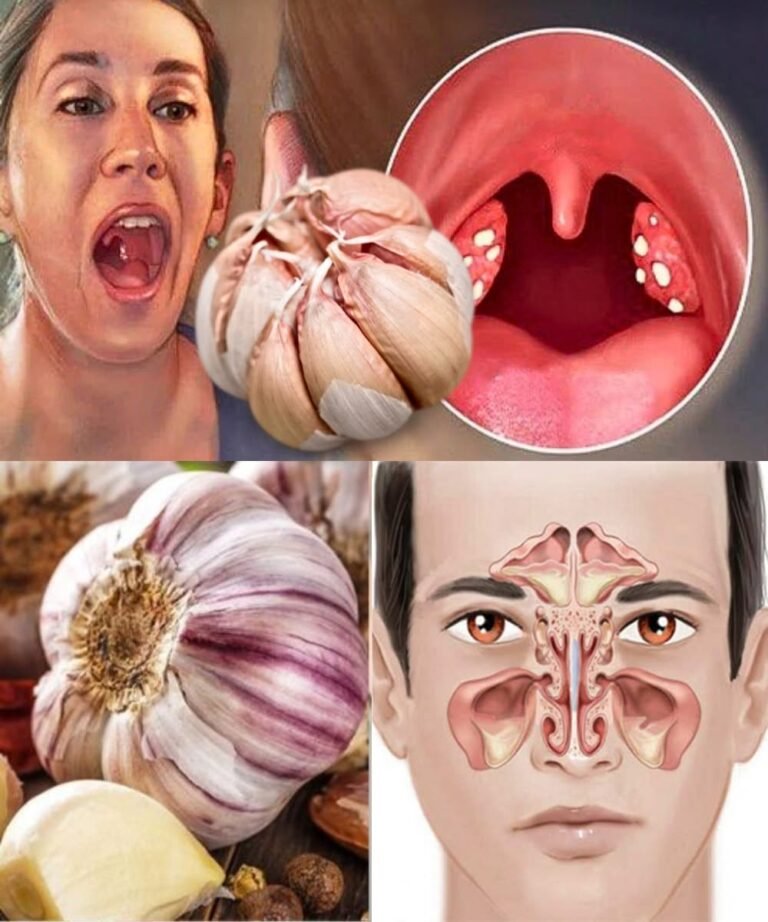
Garlic has been used in traditional cooking and natural wellness practices for thousands of years. This small but powerful-smelling ingredient is more than just a way to add flavor to your favorite meals. It contains natural sulfur compounds that have attracted considerable attention from researchers because of their potential health benefits.
However, many people may be missing an important step when preparing garlic. The way you cut, crush, and cook it can influence the formation of some of its beneficial compounds.
So, what is the common mistake, and how can you get more out of this everyday kitchen ingredient?
1. The Common Garlic Mistake: Using It Immediately After Cutting
One of the most interesting things about garlic is what happens when you crush, chop, or finely mince a fresh clove.
Garlic contains a natural compound called alliin and an enzyme known as alliinase. When the garlic is damaged by cutting or crushing, these substances interact and help produce allicin.
Allicin is one of the best-known sulfur compounds in garlic and is responsible for much of its distinctive smell.
The mistake many people make is adding freshly chopped garlic directly to a hot pan before allowing this reaction to take place.
A simple tip: Crush or chop your garlic and let it rest for approximately 10 minutes before cooking. This allows time for allicin to form before heat can affect the enzyme responsible for producing it.
2. Potential Health Benefits of Garlic
Garlic contains several naturally occurring compounds that may contribute to overall health when included in a balanced diet.
Supports Heart Health
Some research suggests that garlic preparations may help modestly reduce blood pressure in people with hypertension. Certain studies have also investigated garlic’s potential effects on cholesterol levels.
However, garlic should not replace prescribed medication or medical advice.
Contains Antioxidant Compounds
Garlic contains sulfur compounds and other substances with antioxidant activity.
Antioxidants help protect cells against oxidative stress, which is associated with various health conditions.
May Support Immune Function
Garlic has traditionally been used as part of home remedies for seasonal illnesses. Some preliminary research has investigated its effects on immune responses, although evidence that it reliably prevents or treats infections remains limited.
May Help Maintain Healthy Cholesterol Levels
Some studies have found modest reductions in total cholesterol and LDL cholesterol with certain garlic preparations.
The results vary depending on the preparation, dosage, and individual. Garlic is not a substitute for cholesterol-lowering treatment when prescribed.
Supports a Healthy Diet
Garlic is naturally low in calories and adds considerable flavor to meals. Using it in cooking can make vegetables, soups, fish, and other nutritious dishes more enjoyable.
3. Raw Garlic or Cooked Garlic: Which Is Better?
Both raw and cooked garlic can be part of a healthy diet, but they are not exactly the same.
Raw garlic:
- Generally retains more active alliinase enzyme.
- Can produce allicin after crushing or chopping.
- Has a stronger flavor and may irritate the stomach.
Cooked garlic:
- Provides flavor and beneficial plant compounds.
- Heat changes the composition of some sulfur compounds.
- Is often easier to tolerate than raw garlic.
If you want to preserve more of the allicin-forming potential, crush or chop the garlic and allow it to rest for about 10 minutes before cooking.
4. A Simple Way to Include Garlic in Your Daily Meals
You do not need complicated recipes or expensive supplements to enjoy garlic.
Try this simple preparation:
Ingredients:
- 1 fresh garlic clove
- 1 teaspoon olive oil
- A little lemon juice (optional)
- Your favorite vegetables or cooked meal
Instructions:
- Peel a fresh garlic clove.
- Crush or finely chop it.
- Allow it to rest for approximately 10 minutes.
- Mix it with olive oil.
- Add it to vegetables, soups, salads, or other meals.
You can also add crushed garlic to homemade dressings and sauces.
There is no need to force yourself to eat raw garlic on an empty stomach. Including it in ordinary meals is a practical way to enjoy its flavor and nutritional properties.
5. Important Precautions: Who Should Be Careful With Garlic?
Although garlic is commonly consumed as food, eating large amounts or taking concentrated garlic supplements may cause problems for some people.
Keep these precautions in mind:
- Digestive sensitivity: Raw garlic may cause heartburn, bloating, nausea, or stomach discomfort.
- Blood-thinning medication: Garlic supplements may increase bleeding risk, particularly when combined with anticoagulant or antiplatelet medicines.
- Surgery: Tell your healthcare professional about garlic supplements before undergoing surgery.
- Low blood pressure: People taking blood pressure medication should be cautious with concentrated garlic supplements.
- Allergies: Some individuals may experience allergic reactions to garlic.
People taking regular medication should consult a healthcare professional before starting high-dose garlic supplements.
Conclusion
Garlic is a simple kitchen ingredient with an interesting nutritional profile and naturally occurring sulfur compounds.
One useful preparation tip is to crush or chop fresh garlic and let it rest for approximately 10 minutes before cooking. This gives the enzyme alliinase time to help produce allicin.
Remember, garlic is not a miracle cure, and eating it does not guarantee protection against disease. However, when included as part of a balanced diet, it can be a flavorful and nutritious addition to everyday meals.
Sometimes, getting more out of an ordinary ingredient simply comes down to knowing how to prepare it properly!