
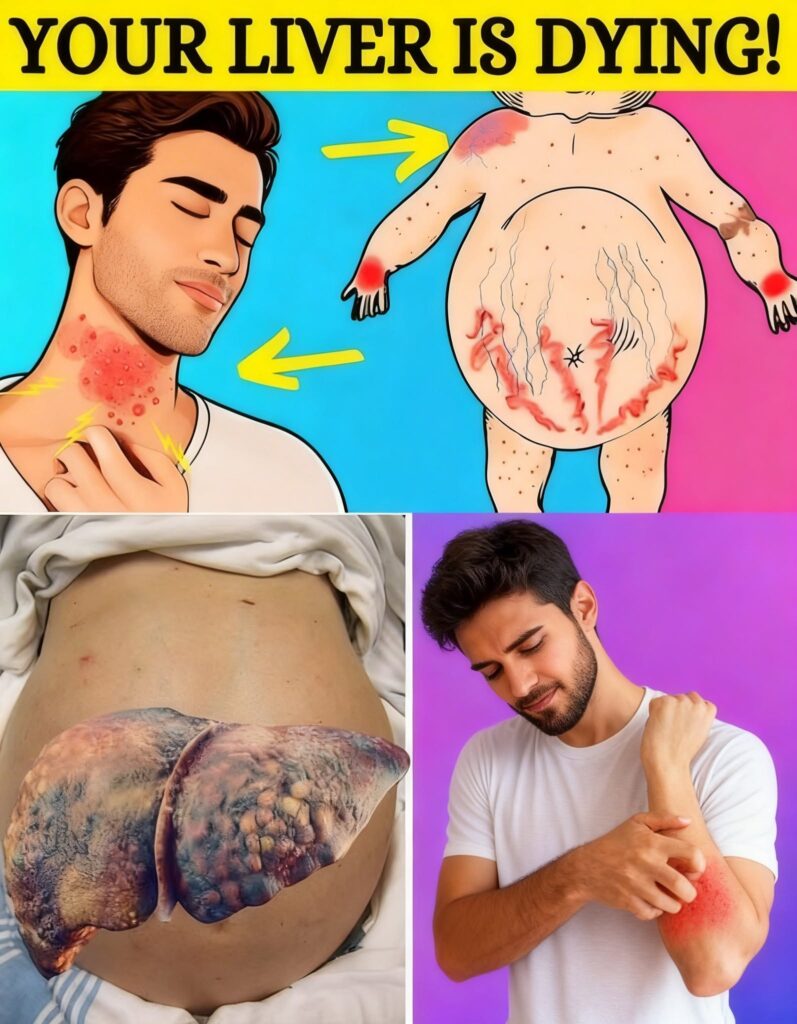
Many adults today experience subtle changes in their energy levels, skin appearance, or overall comfort that they attribute to daily stress or aging. These shifts can sometimes point to underlying health concerns, such as fat buildup in the liver, a condition affecting a significant portion of the population. Feeling persistently tired or noticing unexplained skin changes might leave you wondering what’s really going on inside your body. But there’s good news: becoming aware of these signals early can empower you to make informed choices about your health. Stick around to uncover a surprising habit at the end that could help track your progress effortlessly.
Why Fatty Liver Disease Matters in Modern Lifestyles
Fatty liver disease, also known as metabolic dysfunction-associated steatotic liver disease (MASLD), has become increasingly common due to factors like diet and activity levels. Research from organizations like the American Liver Foundation indicates that up to 40% of American adults may be affected, often without realizing it. This condition involves excess fat accumulating in liver cells, which can impact the organ’s function over time.
But that’s not all. Studies published in journals such as Hepatology show strong links between fatty liver and elements like insulin resistance, abdominal obesity, and diets rich in refined sugars and processed foods. Sedentary habits further contribute, making it a concern for many leading typical modern lives. The key is recognizing how everyday choices play a role.
Here’s the interesting part: while it can progress if unaddressed, understanding potential indicators allows for proactive discussions with healthcare providers. Awareness is the first step toward supporting liver health through lifestyle adjustments.
8 Potential Warning Signs of Fatty Liver
Spotting early signs can be tricky because they often mimic other common issues. Below, we’ll explore eight indicators that research associates with fatty liver, based on clinical observations and studies.
1. Unexpected Fatigue That Lingers Throughout the Day
Persistent tiredness, even after a full night’s sleep, is one of the most reported signs. A study in the Journal of Hepatology links this to the liver’s role in energy metabolism. If your afternoon energy dips consistently, it might be worth noting.
2. Small Spider-Like Veins on the Skin
These tiny red or purple web patterns, known as spider angiomas, can appear on the face, chest, or arms. They result from changes in blood vessel function, often tied to liver health, as noted in dermatology research.
But wait, there’s more. Many people dismiss them as minor cosmetic issues, yet they could signal internal shifts.
3. Redness or Warmth in the Palms
Palmar erythema causes palms to look flushed and feel warmer than usual. This occurs due to hormonal and vascular changes, commonly observed in liver-related studies from sources like the Mayo Clinic.
4. Ongoing Abdominal Bloating or Discomfort
Unexplained swelling in the belly area, especially if it worsens by evening, might indicate fluid retention. Research in Gastroenterology journals connects this to advanced stages of liver fat accumulation.
The truth is, it’s not always from overeating—paying attention to patterns can help.
5. Prominent Veins on the Abdomen
Enlarged veins visible across the stomach surface can emerge when blood flow is affected. This is a more noticeable sign in progressing cases, as described in medical literature on liver conditions.
6. Itchy Skin Without a Clear Cause
Persistent itching, particularly on palms, soles, or widespread, stems from buildup of substances the liver normally processes. Studies in the British Journal of Dermatology highlight this as a key indicator.
And here’s a tip: if it disrupts sleep or daily activities, it’s time to investigate further.
7. Dull Ache in the Upper Right Abdomen or Back
Pain or tightness under the right ribs or between shoulder blades often refers from the liver’s location. Clinical reviews in The Lancet associate this with inflammation or enlargement.
8. Skin Darkening in Certain Areas
Dark, velvety patches on the neck, armpits, or groin—called acanthosis nigricans—are linked to insulin resistance, a major factor in fatty liver, per endocrine research.
To break it down visually, here’s a quick comparison table of these signs based on commonality and when they might appear:
| Sign Number | Description | Common Trigger | When to Notice |
|---|---|---|---|
| 1 | Fatigue | Energy metabolism issues | Daily, especially afternoons |
| 2 | Spider veins | Blood vessel changes | Sudden appearance on skin |
| 3 | Red palms | Hormonal shifts | When holding objects |
| 4 | Bloating | Fluid buildup | Evenings or after meals |
| 5 | Enlarged veins | Blood flow obstruction | Visible on abdomen |
| 6 | Itching | Toxin accumulation | Nights or widespread |
| 7 | Pain in ribs/back | Liver enlargement | After eating |
| 8 | Skin darkening | Insulin resistance | In folds like neck |
This table draws from general medical insights to help you self-reflect without self-diagnosing.
Real-Life Insights from Those Who’ve Noticed Changes
Hearing from others can make these signs feel more relatable. For instance, a 48-year-old teacher shared how she attributed red palms and fatigue to life stresses until a checkup revealed elevated liver enzymes. By focusing on balanced meals and daily walks, she noticed improvements in her well-being over months.
Similarly, a 52-year-old professional dealt with back pain and itching for a year. After learning about potential links to liver health, he incorporated more movement and reduced processed foods, reporting better energy levels later.
These stories, echoed in patient forums and health reports, show that small adjustments can support overall health when guided by professionals.
5 Practical Steps to Support Your Liver Health
Taking action doesn’t have to be overwhelming. Here are evidence-based tips you can start today, backed by research from the National Institute of Diabetes and Digestive and Kidney Diseases.
- Adopt a Balanced Eating Approach
Focus on whole foods like vegetables, fruits, legumes, nuts, seeds, olive oil, fatty fish, and lean proteins. The Mediterranean diet pattern, supported by multiple studies, emphasizes starting meals with veggies to help manage blood sugar. - Stay Hydrated Consistently
Aim for 8-10 glasses of water daily to aid liver functions. Adding 2-3 cups of green tea or black coffee, as linked to liver benefits in large cohort studies, can be a simple addition. - Incorporate Regular Physical Activity
Target 150-300 minutes of moderate exercise weekly, such as brisk walking or cycling, plus strength training twice a week. Exercise helps improve insulin sensitivity, per fitness and health research. - Limit Alcohol Intake
Reducing or avoiding alcohol eases the liver’s workload, with studies showing noticeable differences in short periods. - Include Liver-Friendly Foods Daily
Add garlic, turmeric, beets, broccoli, walnuts, berries, and leafy greens. Always consult a doctor before trying supplements like milk thistle.
For easy implementation, try this bullet-point checklist:
- Track water intake with a app.
- Swap one processed snack for a vegetable daily.
- Schedule short walks after meals.
- Experiment with new recipes featuring greens.
- Review alcohol habits weekly.
These steps are about building habits gradually for long-term support.
Wrapping It Up: Empowering Your Health Journey
In summary, recognizing potential signs of fatty liver disease and exploring lifestyle tweaks can contribute to better awareness and well-being. Consistency in small changes, like better hydration or more movement, often leads to positive shifts. Remember that one simple habit—keeping a daily journal of energy levels and small wins—can create momentum, as many find it turns progress into a rewarding loop.
Frequently Asked Questions (FAQ)
What causes fatty liver disease?
It often stems from factors like insulin resistance, obesity, high-sugar diets, and lack of exercise, according to health organizations like the CDC.
How can I check for fatty liver?
Consult a healthcare provider for blood tests, ultrasounds, or other evaluations if you notice multiple signs or have risk factors.
Are there foods to avoid for liver health?
Limiting refined sugars, processed carbs, and inflammatory oils is recommended based on nutritional studies, while prioritizing whole foods.
This article is for informational purposes only and not a substitute for professional medical advice. If you experience symptoms or have concerns, please see a healthcare provider for personalized guidance.