Useful Tricks With Aspirin Every Woman Should Know: Benefits, Uses and Important Precautions
Useful Tricks With Aspirin Every Woman Should Know: Benefits, Uses and Important Precautions
Aspirin is one of the most familiar medicines found in household medicine cabinets. Best known for relieving headaches, reducing pain and lowering fever, it also has properties that have made it a popular ingredient in many homemade beauty and skincare remedies.
Some women use aspirin-based mixtures in the hope of improving their skin, reducing blemishes, or treating rough areas. However, not every popular internet remedy is supported by medical evidence, and using medication directly on the skin requires caution.
Here are some useful things every woman should know about aspirin, including its potential benefits, popular beauty applications, and important safety precautions.
1. Aspirin for Headaches and Menstrual Discomfort
Aspirin is a non-steroidal anti-inflammatory drug (NSAID). It works by reducing substances in the body that contribute to pain, inflammation and fever.
It can help relieve:
Headaches and migraines.
Menstrual cramps.
Toothaches.
Muscle aches.
Mild joint pain.
However, aspirin is not suitable for everyone. Women who are pregnant, have stomach ulcers, experience heavy menstrual bleeding, or take blood-thinning medication should seek medical advice before using it.
2. Can Aspirin Help Improve Skin Appearance?
Aspirin is sometimes used in homemade skincare masks because it belongs to the salicylate family of medicines.
However, crushing aspirin tablets and applying them to the face is not a proven acne treatment. It can cause irritation, dryness or allergic reactions, particularly in people with sensitive skin.
For acne-prone skin, properly formulated skincare products containing salicylic acid are a more established option.
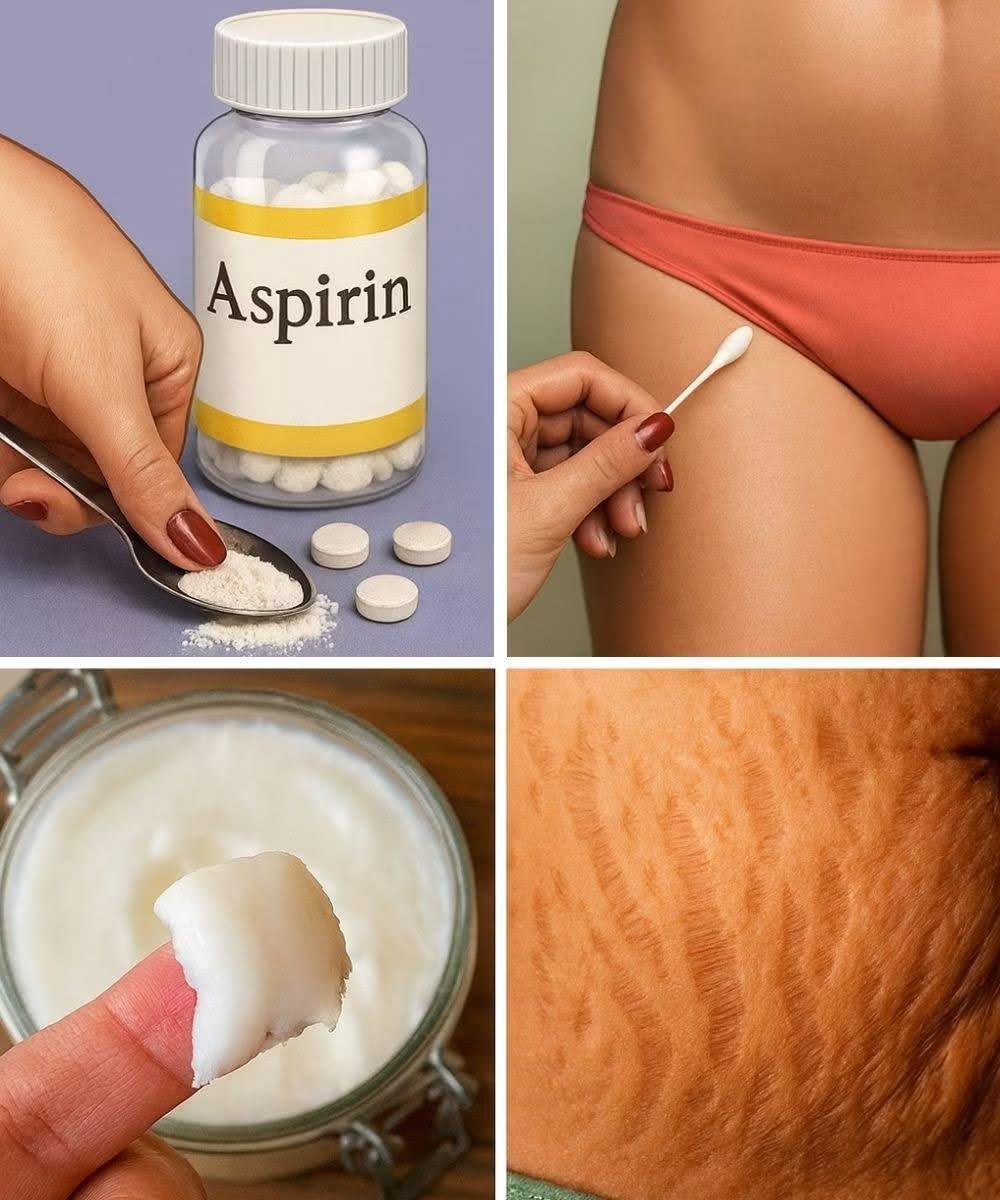
3. Aspirin and Stretch Marks: Does It Really Work?
Stretch marks are common and can develop after pregnancy, weight changes, puberty or periods of rapid growth.
Some homemade beauty remedies combine crushed aspirin with coconut oil or other moisturising ingredients, claiming to reduce the appearance of stretch marks.
However, there is no reliable clinical evidence that applying aspirin to stretch marks removes them or restores the skin’s original texture.
Coconut oil may help moisturise dry skin, but it does not erase stretch marks. Treatments such as prescription retinoids and certain dermatological procedures may improve their appearance, depending on the type and age of the marks.
Note: Retinoids should be avoided during pregnancy, and medical advice is recommended before using them while breastfeeding.
4. Can Aspirin Be Used to Reduce Skin Inflammation?
Aspirin works by reducing the production of certain chemicals involved in inflammation and pain. However, taking aspirin orally and applying it directly to the skin are not equivalent.
Homemade aspirin pastes are not standard treatments for skin redness, swelling, insect bites or irritation.
If you experience persistent redness, itching or inflammation, choosing an appropriate skincare treatment is safer than experimenting with crushed tablets.
5. Aspirin and Heart Health
One important medical use of aspirin is its ability to reduce blood clot formation.
Doctors sometimes prescribe low-dose aspirin to people who have previously experienced a heart attack, certain types of stroke, or other cardiovascular conditions.
However, taking aspirin every day is not recommended for every woman. Its benefits must be weighed against the risk of stomach bleeding and other complications. Never start daily aspirin for heart protection without consulting a healthcare professional.
Important Precautions Every Woman Should Know
Although aspirin is widely available, it is still a medication and should be used responsibly.
Be particularly careful if you:
Are pregnant or breastfeeding.
Have a history of stomach ulcers.
Experience heavy menstrual bleeding.
Have a bleeding disorder.
Have asthma or an aspirin allergy.
Take blood-thinning medication.
Have kidney or liver problems.
Aspirin can increase bleeding risk and interact with several other medicines.
Final Thoughts
Aspirin has several established medical uses, particularly for pain relief and certain cardiovascular conditions. However, popular beauty tricks involving crushed aspirin and coconut oil should be approached with caution.
While moisturising ingredients can help keep skin soft, there is no good evidence that homemade aspirin mixtures remove stretch marks, eliminate wrinkles or dramatically improve skin appearance.
The best approach is to distinguish between medically supported uses and internet beauty myths. Healthy skin is better supported by consistent skincare, sun protection, appropriate treatments and professional advice when needed.
SEO Meta Description: Discover useful aspirin tips every woman should know, including its medical benefits, skincare myths, stretch mark remedies, safety precautions and potential risks.
SEO Keywords: aspirin benefits for women, aspirin skincare, aspirin beauty tricks, aspirin for stretch marks, aspirin uses, natural skincare tips, aspirin side effects.