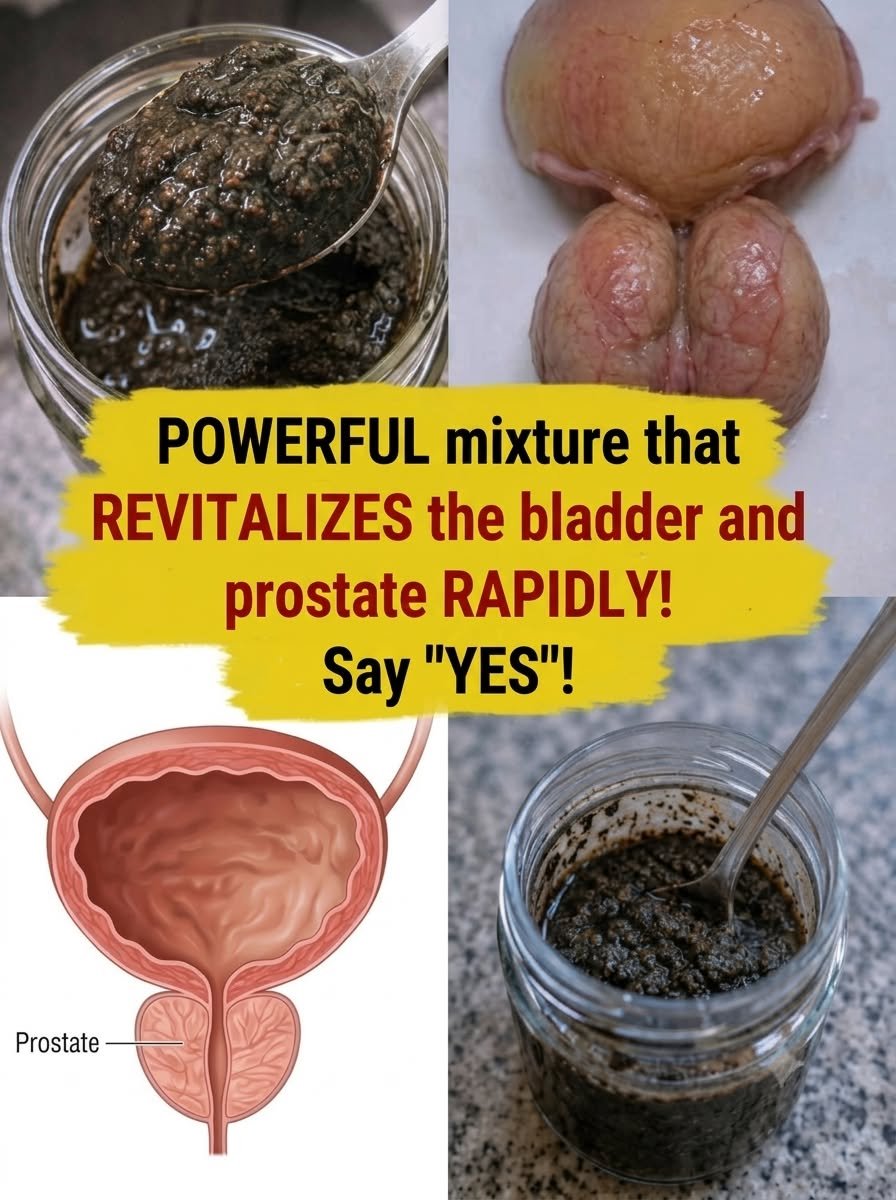
Bladder and prostate: a simple preparation that many associate with a more comfortable urinary flow
Bladder and Prostate Health: Natural Ways to Support Better Urinary Flow
Bladder and prostate health play an important role in men’s overall well-being, particularly as they get older. Changes in urinary habits, frequent nighttime bathroom visits, a weak urine stream, and difficulty emptying the bladder can interfere with everyday activities and affect sleep quality.
Although these symptoms are sometimes associated with an enlarged prostate, they can also have other causes, including urinary tract infections, bladder conditions, diabetes, and certain medications.
Understanding what affects urinary health and adopting healthy daily habits can help support normal bladder and prostate function.
Why Does Urinary Flow Become Weaker?
One common cause of urinary difficulties in older men is benign prostatic hyperplasia (BPH), commonly known as an enlarged prostate.
The prostate is a small gland located below the bladder and surrounding the urethra, the tube that carries urine out of the body. As the prostate enlarges, it can place pressure on the urethra, making it more difficult for urine to pass.
Common symptoms include:
Weak or interrupted urine stream.
Difficulty starting urination.
Frequent urges to urinate.
Waking several times during the night to use the bathroom.
Dribbling after urination.
Feeling that the bladder has not completely emptied.
These symptoms should not automatically be attributed to ageing. A medical assessment can help identify the underlying cause.
How Bladder Irritation Affects Daily Life
An overactive or irritated bladder can create a persistent sensation of needing to urinate, even when the bladder contains relatively little urine.
Certain drinks and dietary habits may aggravate these symptoms. Caffeine, alcohol, carbonated drinks, and excessive fluid intake close to bedtime can contribute to urinary urgency in some individuals.
Maintaining a balanced diet, drinking sufficient water throughout the day, and identifying personal bladder irritants may help improve urinary comfort.
Foods and Nutrients That Support Prostate Health
A healthy diet cannot cure an enlarged prostate, but certain foods provide nutrients that support general health.
1. Tomatoes
Tomatoes contain lycopene, an antioxidant that has been studied for its potential relationship with prostate health. They can be included in a balanced diet in fresh or cooked form.
2. Pumpkin Seeds
Pumpkin seeds contain zinc, magnesium, and healthy fats. They are a nutritious addition to meals, although evidence that they directly improve urinary symptoms remains limited.
3. Green Vegetables
Broccoli, spinach, kale, and other green vegetables provide vitamins, minerals, and beneficial plant compounds that contribute to overall health.
4. Berries
Blueberries, strawberries, and other berries contain antioxidants that help protect cells against oxidative stress.
5. Fatty Fish
Salmon, sardines, and other oily fish provide omega-3 fatty acids, which contribute to cardiovascular health.
Five Daily Habits That May Improve Urinary Comfort
Small lifestyle adjustments can make a meaningful difference for some men experiencing urinary symptoms.
Reduce caffeine: Coffee, strong tea, and energy drinks may worsen urinary urgency.
Manage evening fluids: Avoid drinking excessive amounts immediately before bedtime, while maintaining adequate hydration throughout the day.
Stay physically active: Regular exercise supports general metabolic and cardiovascular health.
Maintain a healthy weight: Excess body weight is associated with an increased risk of urinary symptoms.
Avoid holding urine for too long: Responding to normal bladder signals can help establish healthier bathroom habits.
When Should You See a Doctor?
Persistent urinary symptoms deserve medical attention, particularly when they interfere with sleep or daily activities.
A healthcare professional may recommend a prostate examination, urine test, PSA blood test, or other investigations depending on the symptoms and medical history.
Seek urgent medical attention if you cannot urinate, experience visible blood in your urine, or develop painful urination accompanied by fever or chills.
Final Thoughts
Looking after bladder and prostate health involves more than relying on a single food, drink, or homemade remedy. A balanced diet, regular physical activity, appropriate hydration, and timely medical assessment all contribute to better urinary health.
Although natural foods can support general well-being, they should not replace proven treatments for an enlarged prostate or other urinary conditions. Identifying the underlying cause of symptoms is the most important step towards finding effective and lasting relief.
SEO Meta Description: Discover how diet, healthy lifestyle habits, and proper medical care can support bladder and prostate health, improve urinary comfort, and promote better sleep.
Suggested Keywords: bladder health, prostate health, enlarged prostate, urinary flow, frequent urination, natural prostate health, BPH symptoms, men’s health.