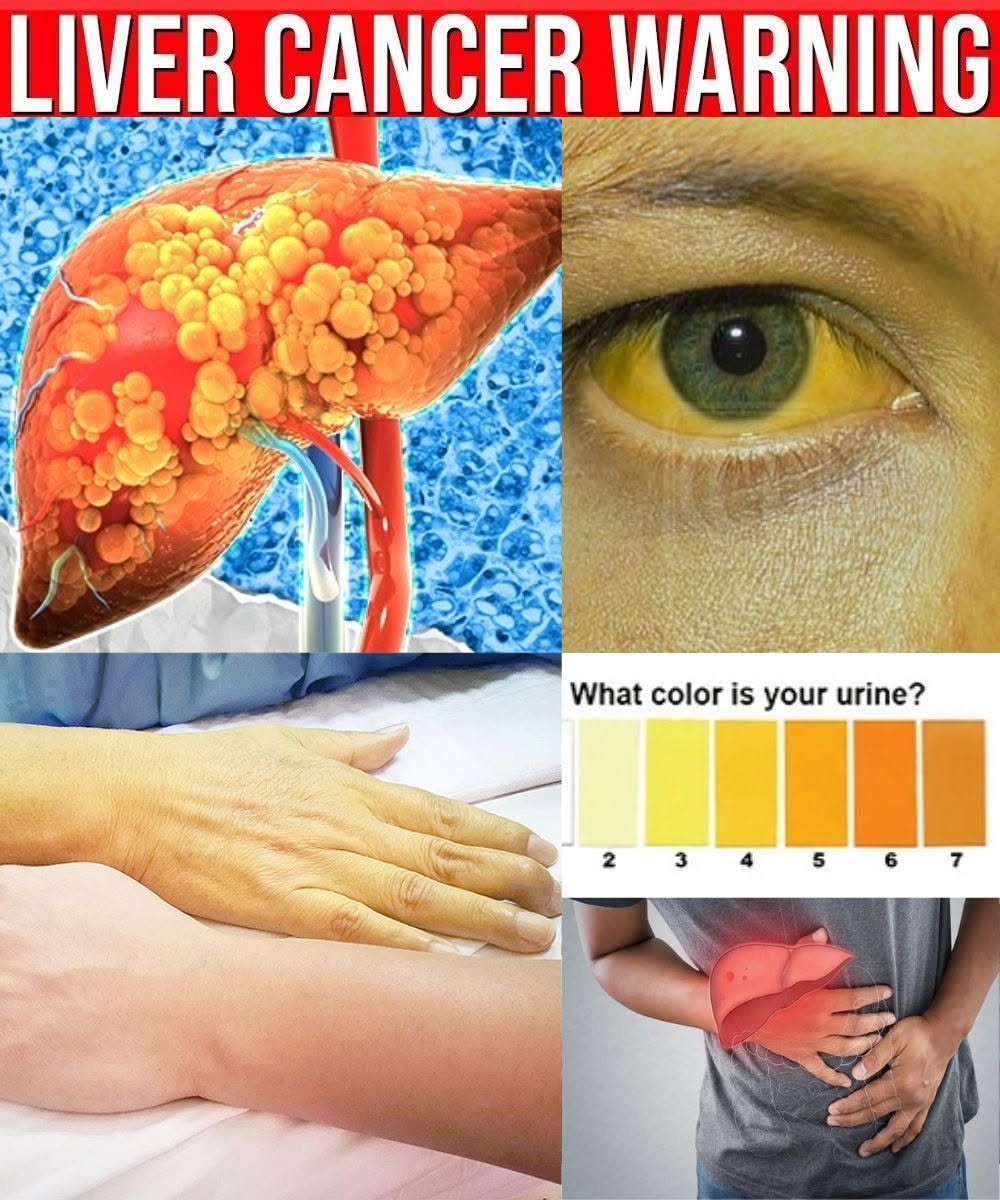
11 Early Liver Cancer Warning Signs You Must Never Ignore!
11 Early Liver Cancer Warning Signs You Must Never Ignore!
Your liver is one of the hardest-working organs in your body. It helps process nutrients, removes waste products from your blood, produces bile for digestion, and performs hundreds of essential functions.
But what happens when cancer begins developing in the liver?
One of the biggest challenges with liver cancer is that it often causes no noticeable symptoms during its early stages. When symptoms do appear, they can be subtle and easily mistaken for ordinary digestive problems, tiredness, or other health conditions.
Recognising unusual changes in your body and seeking medical advice promptly can make an important difference.
Liver cancer does not always announce itself with obvious warning signs. Here are 11 symptoms and changes you should know about.
1. Yellowing of the Eyes and Skin (Jaundice)
One of the most recognisable signs of liver-related problems is jaundice.
You may notice that the whites of your eyes begin turning yellow or that your skin develops a yellowish appearance.
This happens when bilirubin, a yellow substance produced during the normal breakdown of red blood cells, builds up in your bloodstream.
Liver cancer can cause jaundice when a tumour interferes with normal liver function or blocks the flow of bile.
However, jaundice can also result from hepatitis, gallstones, and other liver or bile duct conditions.
Important: New yellowing of the eyes or skin needs urgent medical assessment. Do not wait for other symptoms to develop.
2. Dark-Coloured Urine
Have you noticed that your urine has become unusually dark, almost like tea or cola?
Dark urine can sometimes occur when bilirubin levels rise in the bloodstream and excess bilirubin passes into the urine.
This can happen when the liver is not processing bilirubin properly or when bile flow is obstructed.
However, dark urine does not automatically indicate liver cancer. Dehydration, certain medications, and other medical conditions can also change urine colour.
If dark urine occurs alongside yellow eyes, pale stools, or itching, seek medical attention promptly.
3. Unexplained Weight Loss
Losing weight without changing your diet or exercise routine can be an important warning sign.
Some people with liver cancer experience unexpected weight loss because of reduced appetite, changes in metabolism, nausea, and the effects of the disease on the body.
You might notice that your clothes become looser or that your weight continues dropping despite eating normally.
Unexplained weight loss has many possible causes, but persistent or significant weight loss should never be ignored.
4. Persistent Pain in the Upper Right Side of Your Abdomen
Your liver is located in the upper-right portion of your abdomen, just beneath your ribs.
When liver cancer develops, some people experience discomfort, aching, or pain in this area.
The pain may feel like:
- A dull ache beneath the right ribs.
- Persistent abdominal discomfort.
- Pressure or fullness in the upper abdomen.
- Pain that gradually becomes more noticeable.
An enlarged liver or surrounding inflammation may contribute to this discomfort.
Abdominal pain is common and usually has causes other than cancer. However, persistent or worsening pain deserves medical attention.
5. Swelling in Your Abdomen
Does your stomach appear increasingly swollen even when you have not eaten much?
Liver cancer can sometimes cause a build-up of fluid inside the abdomen. This condition is called ascites.
The abdomen may become noticeably enlarged, tight, or uncomfortable.
You might also experience:
- A feeling of heaviness in your stomach.
- Difficulty eating normal-sized meals.
- Shortness of breath due to abdominal pressure.
- Rapid increases in abdominal size.
Ascites can also occur in people with advanced liver disease and cirrhosis without cancer.
New or unexplained abdominal swelling should be assessed by a healthcare professional.
6. Persistent Fatigue and Weakness
Everyone feels tired occasionally, but persistent exhaustion that does not improve with adequate sleep deserves attention.
People with liver cancer may experience significant fatigue because of the effects of the disease on normal body functions.
You might notice:
- Feeling exhausted after ordinary activities.
- Reduced physical strength.
- Difficulty concentrating.
- A constant lack of energy.
- Feeling generally unwell.
Fatigue is a very common symptom with many possible explanations, including anaemia, infections, sleep disorders, and other medical conditions.
If tiredness is persistent or accompanied by other unusual symptoms, arrange a medical assessment.
7. Loss of Appetite and Feeling Full Quickly
Another possible warning sign is a sudden change in your appetite.
You may find yourself eating considerably less than usual or feeling full after only a few bites.
This can happen when an enlarged liver or fluid accumulation in the abdomen places pressure on surrounding organs.
Some people also experience nausea, making meals less appealing.
If your appetite has noticeably decreased for an extended period, particularly alongside unexplained weight loss, speak to your doctor.
8. Persistent Nausea and Vomiting
Frequent nausea or vomiting can sometimes accompany liver cancer.
You may experience an unsettled stomach, reduced appetite, or repeated episodes of vomiting without an obvious explanation.
These symptoms can also be associated with digestive disorders, infections, medication side effects, and many other conditions.
Persistent vomiting should be medically assessed, especially when accompanied by abdominal pain, weight loss, or jaundice.
9. Unusual Itching Without an Obvious Skin Problem
Persistent itching can sometimes be associated with liver and bile duct problems.
When bile flow becomes obstructed, certain substances can accumulate in the bloodstream and contribute to itching.
You might notice:
- Itching across several areas of your body.
- Discomfort that becomes worse at night.
- Persistent itching without an obvious rash.
- Yellowing of the skin or eyes alongside itching.
Itching alone is not a reliable sign of liver cancer. Dry skin, allergies, medications, and other liver conditions can also cause it.
However, unexplained persistent itching, particularly with jaundice or dark urine, deserves medical attention.
10. Easy Bruising or Unusual Bleeding
Have you started noticing bruises appearing more easily than before?
The liver produces several proteins that help your blood clot properly.
When liver function becomes significantly impaired, the production of certain clotting proteins may decrease.
As a result, some people may experience:
- Bruising without a clear injury.
- Frequent nosebleeds.
- Bleeding gums.
- Bleeding that takes longer than usual to stop.
These symptoms can occur with advanced liver disease and other medical conditions.
Unexplained or unusual bleeding should always be investigated.
11. Pain in the Right Shoulder or Back
Not all liver-related discomfort is felt directly in the abdomen.
Some people with liver cancer experience pain around the right shoulder blade or upper back.
This can happen when an enlarged liver irritates nearby structures and nerves, producing referred pain.
The discomfort may feel like:
- A persistent ache near the right shoulder blade.
- Pain extending from the upper abdomen towards the back.
- Unexplained discomfort beneath the right ribs.
Shoulder and back pain are extremely common and usually have musculoskeletal causes. However, persistent unexplained pain combined with other symptoms should be checked.
What Does Your Urine Colour Tell You About Your Liver?
Urine colour can provide some clues about hydration and health, but it cannot diagnose liver cancer.
Generally:
- Pale yellow: Often associated with adequate hydration.
- Dark yellow: May indicate concentrated urine or dehydration.
- Brown or tea-coloured: Can sometimes indicate bilirubin in the urine or other medical problems.
- Red or pink: May indicate blood, certain foods, or medications.
If your urine remains unusually dark, particularly alongside yellow eyes or pale stools, seek medical advice.
Do not rely on a urine colour chart to determine whether your liver is healthy.
Who Is at a Higher Risk of Developing Liver Cancer?
Although liver cancer can affect people without obvious risk factors, certain conditions increase the likelihood of developing the disease.
Important risk factors include:
- Chronic hepatitis B infection.
- Chronic hepatitis C infection.
- Liver cirrhosis.
- Long-term heavy alcohol consumption.
- Metabolic dysfunction-associated steatotic liver disease (MASLD), particularly when it progresses to significant liver damage.
- Obesity and associated metabolic conditions.
- Certain inherited liver conditions.
- Long-term exposure to aflatoxins, naturally occurring toxins that can contaminate improperly stored food crops.
Having one or more risk factors does not mean you will develop liver cancer. However, people with chronic hepatitis B, hepatitis C, or cirrhosis should discuss appropriate monitoring with their healthcare professionals.
How Is Liver Cancer Diagnosed?
If your doctor suspects a liver problem, they may recommend several investigations.
These can include:
1. Blood tests: Liver function tests and other blood investigations can help assess liver health. An alpha-fetoprotein (AFP) test may also be used in certain circumstances, although it cannot confirm or exclude cancer on its own.
2. Ultrasound: An ultrasound scan can help identify unusual growths or changes in the liver.
3. CT scan: A CT scan provides detailed images that can help doctors investigate suspicious areas.
4. MRI scan: MRI imaging can provide additional information about liver abnormalities.
5. Liver biopsy: In selected cases, a doctor may take a small tissue sample to examine it for cancer cells. A biopsy is not always necessary to diagnose liver cancer.
The appropriate tests depend on the individual’s symptoms, medical history, and initial findings.
Can Liver Cancer Be Prevented?
Not every case of liver cancer can be prevented, but certain lifestyle and medical steps can help reduce your risk.
Consider the following:
- Get vaccinated against hepatitis B where recommended.
- Get tested for hepatitis B and C when appropriate.
- Avoid excessive alcohol consumption.
- Maintain a healthy body weight.
- Eat a balanced diet rich in vegetables, fruits, and wholegrains.
- Manage diabetes and other metabolic conditions.
- Avoid smoking.
- Seek medical advice if you have persistent liver-related symptoms.
- If you have cirrhosis or chronic hepatitis B, discuss regular liver cancer surveillance with your specialist.
These measures cannot guarantee protection, but they can help reduce important risk factors.
When Should You See a Doctor?
Do not wait until several symptoms appear before seeking medical advice.
Arrange a medical assessment if you experience persistent unexplained weight loss, abdominal discomfort, appetite changes, or unusual fatigue.
Seek urgent medical assessment if you develop yellowing of your eyes or skin, particularly with dark urine or pale stools.
Vomiting blood, passing black tarry stools, severe abdominal swelling with breathlessness, or new confusion requires emergency medical attention.
Remember that these symptoms do not automatically mean you have cancer. Many have treatable causes, but finding the underlying problem is important.
Final Thoughts
Your liver performs essential functions every day, often without you noticing. Unfortunately, liver cancer can develop without obvious early warning signs.
That is why understanding possible symptoms, knowing your risk factors, and seeking medical advice when something changes are so important.
Do not panic if you experience one of the symptoms discussed in this article. Most can be caused by conditions other than cancer.
However, do not ignore persistent or unexplained changes either.
Pay attention to your body, take care of your liver, and remember that timely medical assessment is always better than waiting for symptoms to become severe.
Medical disclaimer: This article is intended for general educational purposes only. It does not diagnose liver cancer or replace professional medical advice. If you experience concerning symptoms, consult a qualified healthcare professional.