Aloe Vera and Cinnamon: A Natural Drink for Better Health? Benefits, Uses and Important Facts
Aloe Vera and Cinnamon: A Natural Drink for Better Health? Benefits, Uses and Important Facts
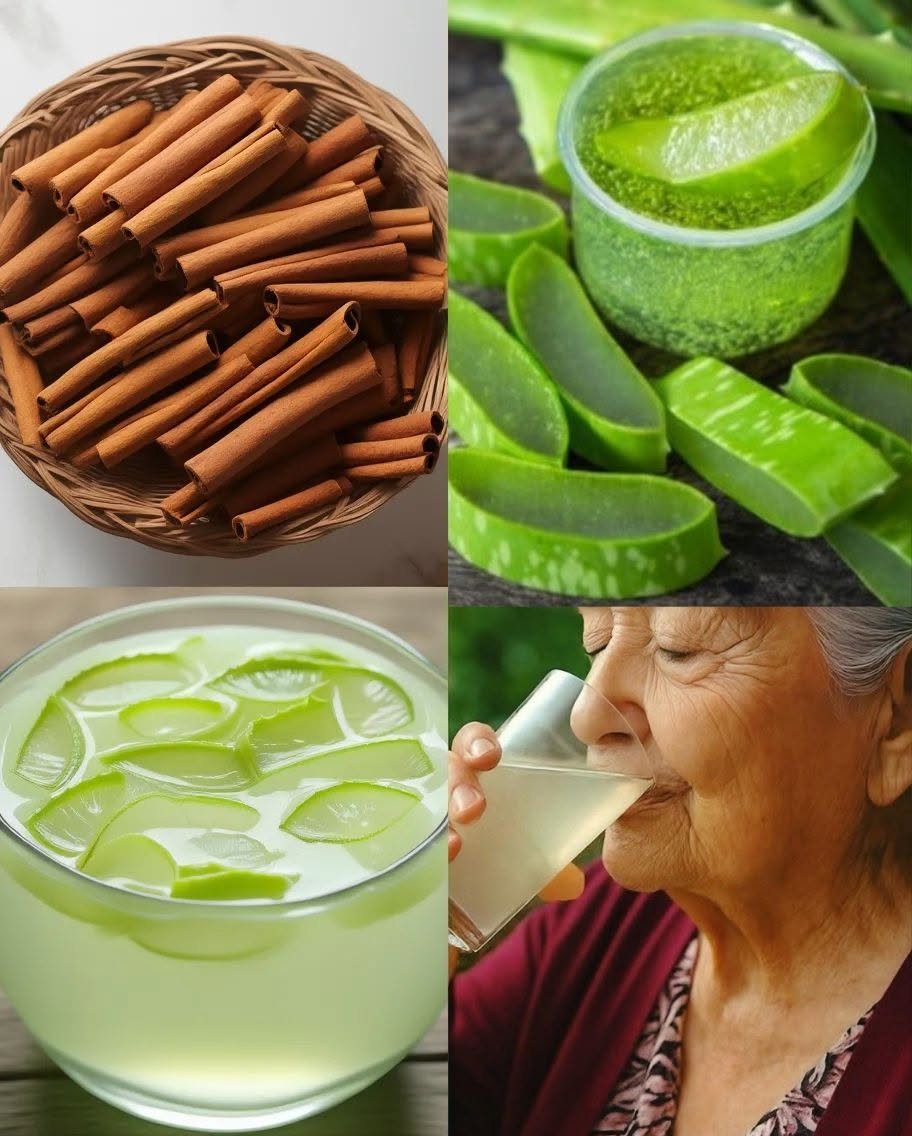
What if two familiar natural ingredients could become part of your daily wellness routine? Aloe vera and cinnamon have been used in traditional remedies for generations. Both contain naturally occurring compounds that have attracted scientific interest for their potential health effects.
Aloe vera is widely recognised for its soothing properties, while cinnamon is a popular spice known for its distinctive flavour and antioxidant compounds.
Some online claims suggest that combining these ingredients can eliminate cancer cells, restore eyesight, and protect against serious diseases. But how much of this is actually true?
The reality is that both ingredients have interesting properties, but neither has been scientifically proven to cure cancer or prevent blindness.
Let’s explore what aloe vera and cinnamon may offer, how they are used, and what you should know before trying them.
1. Aloe Vera Contains Naturally Occurring Plant Compounds
Aloe vera is a succulent plant whose leaves contain a clear gel. This gel contains water, polysaccharides, and other naturally occurring compounds.
Aloe vera is particularly popular in skincare products because of its soothing and moisturising properties.
Some clinical research suggests that topical aloe vera gel may help soothe minor burns and support skin healing.
However, its effects depend on the preparation and how it is used.
2. Cinnamon Contains Antioxidant Compounds
Cinnamon is more than just a kitchen spice. It contains naturally occurring compounds, including cinnamaldehyde and various polyphenols.
These compounds have demonstrated antioxidant activity in laboratory studies.
Antioxidants help protect cells against oxidative stress, which is associated with several biological processes involved in ageing and disease.
However, laboratory findings do not automatically mean that consuming cinnamon prevents or treats diseases in humans.
3. May Support Healthy Blood Sugar Management
Both aloe vera and cinnamon have been investigated for their potential effects on blood sugar.
Some small studies suggest that oral aloe preparations may reduce blood glucose levels in people with diabetes.
Cinnamon has also been studied for its possible effects on blood sugar regulation, although the results remain inconsistent.
Neither ingredient should replace prescribed diabetes medication.
People taking blood sugar-lowering medication should consult their healthcare professional before regularly consuming aloe supplements or concentrated cinnamon preparations.
4. May Contribute to a Healthy Skin Routine
Aloe vera is widely used in moisturisers, creams, and skincare products.
Its gel can help soothe irritated skin and provide moisture.
Some research also suggests that topical aloe vera may help with certain minor skin conditions and burn-related discomfort.
It is important to distinguish between applying aloe vera to the skin and drinking it. Evidence supporting topical applications does not necessarily apply to oral consumption.
5. Antioxidants Help Protect Cells Against Oxidative Stress
Oxidative stress occurs when there is an imbalance between free radicals and the body’s antioxidant defences.
Over time, oxidative stress can contribute to cellular damage and is associated with various chronic health conditions.
Cinnamon contains antioxidant compounds, while aloe vera contains several naturally occurring plant substances.
Including a variety of antioxidant-rich foods, such as berries, vegetables, fruits, and nuts, can help support a balanced diet.
However, no single ingredient can eliminate all harmful cells from the body.
6. Can Aloe Vera and Cinnamon Prevent Cancer?
This is perhaps the most important question surrounding this combination.
Researchers have investigated different compounds found in aloe vera and cinnamon, including their effects on cells in laboratory experiments.
Some early findings have generated scientific interest, but laboratory research is not the same as proving that a food or drink prevents or cures cancer in humans.
There is currently no reliable clinical evidence that drinking aloe vera and cinnamon eliminates cancer cells.
According to the National Cancer Institute, no particular food, herb, supplement, or combination of ingredients has been proven to cure cancer or prevent it from returning.
Anyone diagnosed with cancer should seek appropriate medical treatment and discuss supplements with their oncology team.
7. Can This Combination Protect Your Eyesight?
Healthy vision depends on several factors, including genetics, nutrition, age, and underlying medical conditions.
Nutrients such as vitamin A, lutein, zeaxanthin, and omega-3 fatty acids contribute to different aspects of eye health.
Aloe vera and cinnamon, however, have not been proven to prevent blindness, reverse vision loss, or treat eye diseases.
For long-term eye health, focus on a balanced diet, regular eye examinations, managing conditions such as diabetes, and seeking medical attention if you notice changes in your vision.
8. Supports a Healthy Lifestyle When Used as Part of a Balanced Diet
Aloe vera and cinnamon can be incorporated into different food and beverage preparations.
Cinnamon can be used to flavour tea, oatmeal, and other meals without adding significant amounts of sugar.
Food-grade aloe vera products are also available, although their safety depends on how they are processed.
Neither ingredient is a substitute for a healthy diet, regular exercise, adequate sleep, or medical care.
How to Use Aloe Vera and Cinnamon Safely
If you are interested in these ingredients, it is important to understand that not every aloe vera preparation is suitable for drinking.
Aloe vera leaves contain different components:
- Inner leaf gel: The clear gel inside the leaf, used in some food-grade products.
- Aloe latex: A yellow substance beneath the leaf’s outer skin that contains compounds with laxative effects.
- Whole-leaf extract: Contains both inner gel and outer leaf components, depending on processing.
Aloe latex can cause abdominal cramps, diarrhoea, and other adverse effects. Some oral aloe preparations have also been associated with liver injury.
For this reason, homemade aloe vera drinks made from unprocessed leaves should not be assumed to be safe.
Cinnamon is generally safe in normal culinary quantities. However, consuming large amounts over extended periods, particularly cassia cinnamon, may expose you to excessive coumarin, a compound that can affect the liver.
Pregnant or breastfeeding women and people taking regular medication should seek medical advice before using oral aloe vera products or concentrated herbal supplements.
Important Health Advice
Natural ingredients are not automatically safe, and traditional remedies should not be confused with proven medical treatments.
If you are concerned about cancer, persistent changes in eyesight, or another serious health problem, early medical assessment is far more important than experimenting with homemade remedies.
Final Thoughts
Aloe vera and cinnamon are two interesting natural ingredients with a long history of traditional use.
Aloe vera is particularly well known for its topical skincare applications, while cinnamon provides flavour and naturally occurring antioxidant compounds.
Although researchers continue to investigate their potential health effects, there is no scientific evidence that combining them can eliminate cancer cells or prevent blindness.
The best approach is to enjoy nutritious foods, maintain healthy habits, attend recommended health screenings, and seek appropriate medical care when necessary.
Your health is too important to rely on miracle cures. Make informed choices, question extraordinary health claims, and always put proven medical advice first.
Medical disclaimer: This article is for educational purposes only and does not constitute medical advice. Always consult a qualified healthcare professional before using herbal products to manage a medical condition.