
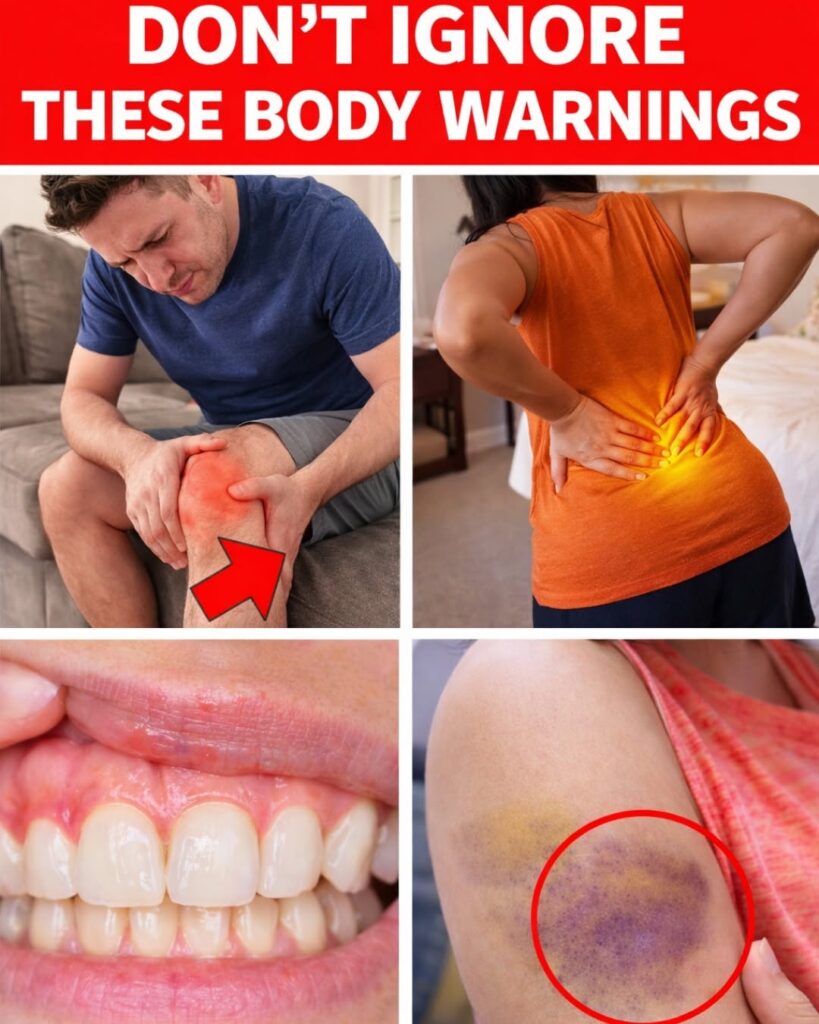
Imagine waking up at three in the morning with a sudden leg cramp so painful you have to sit up and rub your calf in the dark, hoping the pain fades before it wakes your spouse. Many older adults in Mexico quietly experience these strange symptoms every week yet brush them off as normal aging. But here is the uncomfortable truth doctors often explain in clinic visits. These small signals are sometimes the body asking for nutrients it is no longer getting enough of. The good news is that simple daily habits can often help support the body again. And the final sign in this article might surprise you the most.
Sign 1 Nighttime Leg Cramps That Wake You Suddenly
Picture this familiar scene. You fall asleep peacefully and suddenly your calf tightens like a knot being pulled inside the muscle. The pain can be intense and lasts long enough to ruin your sleep.
Many adults over sixty report these nighttime cramps.
Research discussed in journals on aging suggests that several nutrients play a role in muscle relaxation. When levels become low the muscles may contract more easily.
Common nutrient gaps linked to cramps include
• Magnesium
• Potassium
• Calcium
These nutrients help muscles relax after they contract. When levels are unbalanced the nerve signals to muscles may become irregular.
But here is what many people never realize.
Older adults absorb minerals less efficiently than younger adults. Medications and reduced appetite may also reduce intake.
Simple habits that may help support muscle balance
• Eat magnesium rich foods such as spinach, pumpkin seeds, and almonds
• Include potassium sources like bananas, beans, and avocado
• Stay well hydrated during the day
• Stretch calves gently before bedtime
Many doctors also recommend discussing magnesium intake with a healthcare professional when cramps become frequent.
But muscle cramps are only one signal. The next one often begins quietly in the hands and feet.
Sign 2 Tingling or Numbness in Hands and Feet
Have you ever noticed a strange pins and needles feeling in your feet while watching television or walking around the house.
Many people assume poor circulation is always the cause.
But the truth is more complex.
Vitamin B12 plays a critical role in protecting nerves. It helps maintain the protective coating around nerve fibers that allows signals to travel properly.
When levels drop the nerves may send confusing signals.
This can lead to
• Tingling sensations
• Numbness in toes or fingers
• Reduced sensitivity in the feet
Studies from institutions such as the National Institutes of Health suggest vitamin B12 deficiency becomes more common after age sixty because stomach acid decreases and absorption becomes harder.
Nutrient rich foods that support nerve health
• Eggs
• Fish such as salmon and sardines
• Dairy products
• Fortified cereals
Here is the interesting part.
Sometimes symptoms improve simply by correcting the diet or discussing supplements with a healthcare professional.
But nerves are not the only tissues affected by nutrition. Your gums may also send an early signal.
Sign 3 Gums That Bleed Easily While Brushing
Many adults feel embarrassed when they see pink water in the sink after brushing their teeth.
They assume they brushed too hard.
But dentists often explain another possibility.
Vitamin C supports the structure of blood vessels and helps build collagen that keeps gums strong.
When intake becomes low the tiny vessels in the gums can become fragile.
This may cause
• Bleeding while brushing
• Tender gums
• Slow healing after dental procedures
Research from Harvard nutrition studies shows that older adults sometimes consume less fresh produce than recommended which may contribute to lower vitamin C intake.
Foods that support healthy gums
• Citrus fruits such as oranges and grapefruit
• Bell peppers
• Strawberries
• Broccoli
But that is not the only place the body reflects nutrient balance.
Your brain can also send subtle warning signs.
Sign 4 Brain Fog or Memory Slips
Have you ever walked into the kitchen and suddenly forgotten why you went there.
Occasional forgetfulness happens to everyone.
However persistent brain fog may sometimes be linked to nutrition.
Several nutrients support brain function including
• Vitamin B12
• Thiamine also known as vitamin B1
• Omega three fatty acids
These nutrients help the brain produce energy and maintain nerve communication.
When levels become low some people notice
• Difficulty concentrating
• Slower thinking
• Increased fatigue
Research cited by institutions such as the Mayo Clinic suggests that improving dietary intake of key nutrients can support cognitive health in older adults.
Brain friendly food choices
• Whole grains
• Fatty fish such as salmon
• Nuts and seeds
• Beans and lentils
But there is another surprising signal many older adults notice on their skin.
Sign 5 Bruises Appearing More Easily Than Before
You bump lightly into a table and days later notice a large purple mark on your arm.
Sound familiar.
Skin becomes thinner with age but nutrients also influence how blood vessels stay strong.
Two nutrients often associated with easy bruising include
• Vitamin C
• Vitamin K
Vitamin C helps maintain strong capillary walls while vitamin K plays a role in normal blood clotting.
When intake becomes low the body may bruise more easily.
Foods rich in these nutrients
• Kale
• Spinach
• Citrus fruits
• Broccoli
And yet another signal can appear in a place many people overlook completely.
Your fingernails.
Sign 6 Vertical Ridges in the Fingernails
Run your finger across your nails.
Do you feel raised vertical lines.
Mild ridges can be a normal part of aging. But pronounced ridges may sometimes reflect nutrient imbalances.
Researchers studying nail health often connect nail changes with nutrients such as
• Iron
• Biotin
• Vitamin B12
These nutrients support the production of keratin which forms the structure of nails.
When intake becomes insufficient nails may become
• Ridged
• Brittle
• More likely to split
Helpful dietary choices
• Eggs
• Spinach
• Almonds
• Lentils
But the final signal is one that many doctors pay close attention to.
Sign 7 Wounds That Take a Long Time to Heal
A small cut from cooking or gardening should normally improve within days.
But when wounds linger for weeks the body may be lacking key building blocks for tissue repair.
Important nutrients involved in healing include
• Zinc
• Vitamin C
• Protein
Zinc helps immune cells respond to injury while vitamin C supports collagen formation. Protein provides the raw material needed to rebuild tissue.
When these nutrients are limited the body may repair skin more slowly.
Foods that support healthy healing
• Lean meats and fish
• Beans and lentils
• Pumpkin seeds
• Citrus fruits
And now comes the important takeaway.
Small symptoms often appear long before serious health problems develop.
Listening to them early can make a difference.
Quick Comparison Table Signs and Possible Nutrient Connections
Sign Often Linked Nutrients Example Foods
Night cramps Magnesium potassium calcium Leafy greens bananas almonds
Tingling hands feet Vitamin B12 Eggs fish dairy
Bleeding gums Vitamin C Citrus fruits peppers broccoli
Brain fog B vitamins omega three Whole grains fish nuts
Easy bruising Vitamin C vitamin K Kale spinach citrus
Nail ridges Iron biotin B12 Eggs lentils almonds
Slow wound healing Zinc protein vitamin C Meat beans seeds
Practical Daily Steps Older Adults Can Start Today
Doctors often remind patients that nutrition works best when habits are simple and consistent.
Try these realistic actions
1 Add one serving of colorful vegetables to lunch and dinner
2 Include a protein source at each meal
3 Drink enough water throughout the day
4 Spend short periods outdoors for natural sunlight when possible
5 Discuss blood tests for vitamin levels during routine medical visits
Even small dietary improvements may help support overall wellness and energy.
Conclusion
Many adults assume fatigue, cramps, or bruising are simply part of getting older. But sometimes the body is quietly asking for better nutritional support. By paying attention to these signals and improving daily food choices many people feel stronger, sleep better, and maintain independence longer. The key is not ignoring the small whispers your body sends.
Frequently Asked Questions
Are nutrient deficiencies common after age sixty
Yes. Research suggests that absorption of several vitamins including B12 and vitamin D often declines with age which makes balanced nutrition especially important.
Should older adults take supplements automatically
Not always. Many nutrients can be obtained through food. A healthcare professional can help determine whether testing or supplements are appropriate.
Can diet really influence energy and muscle comfort
Evidence from nutrition research shows that balanced diets rich in fruits vegetables protein and minerals support muscle and nerve function which may influence daily comfort.
Disclaimer
This article is for informational purposes only and does not replace professional medical advice diagnosis or treatment. Always consult a qualified healthcare professional before making significant changes to diet or supplements.