The “Liver Reset Protocol”: Natural Strategies to Support a Healthier Liver Without Medication
The “Liver Reset Protocol”: Natural Strategies to Support a Healthier Liver Without Medication
The encouraging news is that the liver has an impressive ability to recover when supported by healthy lifestyle habits. While there is no single food or routine that can “cure” fatty liver overnight, research shows that consistent changes in diet, physical activity, and weight management may significantly improve liver health over time.
Here’s a practical, science-informed approach that may help support your liver naturally.
Why Does Fatty Liver Develop?
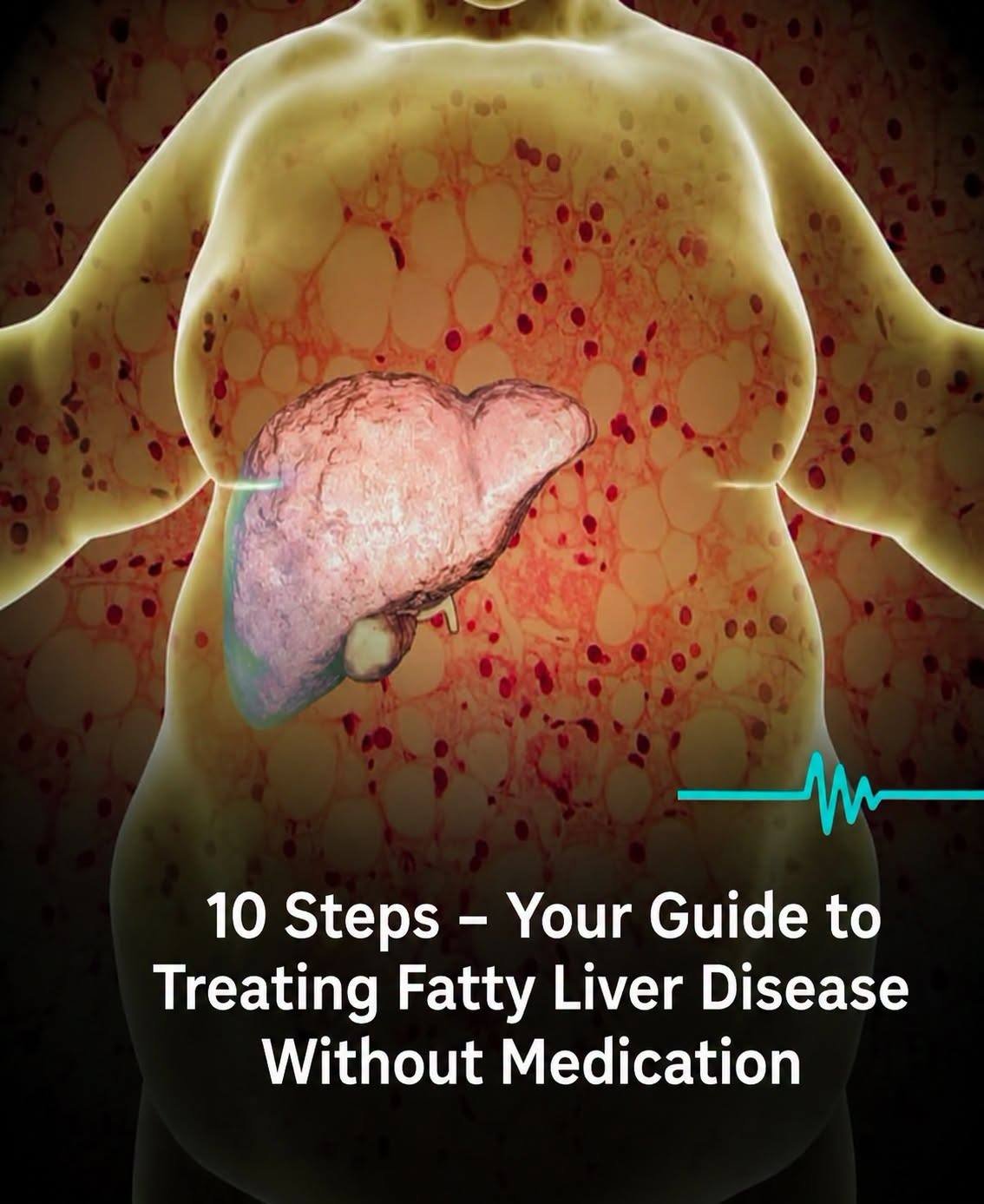
Fatty liver disease often develops when the body stores more fat than the liver can process. Several lifestyle factors may contribute, including:
- Excess calorie intake
- High consumption of sugary beverages
- Refined carbohydrates
- Physical inactivity
- Excess body weight
- Insulin resistance
In many cases, improving these underlying factors can help reduce liver fat gradually.
Strategy 1: Improve Insulin Sensitivity
One of the biggest contributors to fatty liver is reduced insulin sensitivity. Supporting healthy blood sugar regulation may also support healthier liver function.
Consider Time-Restricted Eating
Some people find that time-restricted eating (such as eating meals within an 8–10 hour window) helps reduce unnecessary snacking and supports metabolic health.
While intermittent fasting is not suitable for everyone, emerging research suggests it may help improve insulin sensitivity and reduce liver fat when combined with a balanced diet.
Always consult a healthcare professional before beginning fasting, especially if you have diabetes, take medications, or have other medical conditions.
Reduce Added Sugar
Among dietary changes, cutting back on added sugars is one of the most beneficial steps.
Try limiting:
- Sugary soft drinks
- Sweetened fruit juices
- Candy
- Pastries
- Highly processed desserts
Many experts recommend replacing sugary drinks with:
- Water
- Sparkling water
- Unsweetened tea
- Black coffee (if appropriate)
Strategy 2: Nourish Your Liver With Helpful Foods
Rather than focusing on “detox” products, concentrate on nutrient-rich foods that support overall liver function.
Foods Rich in Choline
Choline is an essential nutrient involved in normal fat metabolism.
Good sources include:
- Eggs
- Salmon
- Chicken
- Soybeans
- Lean beef
Including moderate amounts of these foods as part of a balanced diet may help support normal liver fat metabolism.
Eat More Cruciferous Vegetables
Vegetables such as:
- Broccoli
- Cauliflower
- Brussels sprouts
- Cabbage
- Kale
contain plant compounds and fiber that support overall metabolic and digestive health.
Aim to include them several times each week.
Enjoy Coffee in Moderation
Several observational studies have found that regular coffee consumption is associated with better liver health.
For many healthy adults, 1–2 cups of unsweetened black coffee daily may be part of a liver-friendly lifestyle.
If you are sensitive to caffeine or have medical conditions affected by caffeine, speak with your healthcare provider.
Strategy 3: Build Muscle Through Resistance Exercise
Exercise benefits the liver even before significant weight loss occurs.
Research suggests that resistance training can:
- Improve insulin sensitivity
- Increase muscle mass
- Support healthy metabolism
- Help reduce liver fat
Simple home exercises include:
- Bodyweight squats
- Wall push-ups
- Resistance bands
- Step-ups
- Light dumbbell exercises
Aim for 2–3 strength-training sessions each week, combined with regular walking or other enjoyable physical activity.
Additional Habits That Support Liver Health
Small daily habits can make a meaningful difference over time.
Consider:
✓ Drinking enough water
✓ Eating more fiber-rich foods
✓ Choosing whole grains over refined grains
✓ Prioritizing quality sleep
✓ Managing stress
✓ Limiting alcohol intake
✓ Maintaining a healthy body weight
Weight Loss Should Be Gradual
For people living with overweight or obesity, losing 5–10% of body weight has been shown to improve fatty liver in many cases.
However, losing weight too rapidly may increase the risk of complications such as gallstones and may not be sustainable.
A slow, steady approach is generally recommended.
When Should You See a Doctor?
Because fatty liver often causes few or no symptoms, regular medical evaluation is important.
Speak with your healthcare provider if you have risk factors or concerns.
Your doctor may recommend:
- Liver enzyme blood tests (ALT and AST)
- Ultrasound imaging
- Fibrosis assessment if necessary
- Ongoing monitoring of liver health
Early detection allows for better long-term management.
Lifestyle Changes Work Best Together
No single food, supplement, or habit can reverse fatty liver on its own.
Instead, combining several healthy practices often provides the greatest benefit:
- Eat a balanced, whole-food diet.
- Reduce added sugars and ultra-processed foods.
- Stay physically active.
- Build muscle with resistance training.
- Sleep well and manage stress.
- Follow your healthcare provider’s recommendations.
Final Thoughts
Fatty liver is often a manageable metabolic condition, and many people can improve their liver health through sustainable lifestyle changes. While progress takes time, consistent healthy habits may lead to meaningful improvements in liver function and overall well-being over several months.
Disclaimer: This article is for educational purposes only and should not be considered medical advice. It does not diagnose, treat, cure, or prevent any disease. Always consult a qualified healthcare professional for personalized evaluation and treatment, especially if you have existing liver disease or abnormal liver test results.