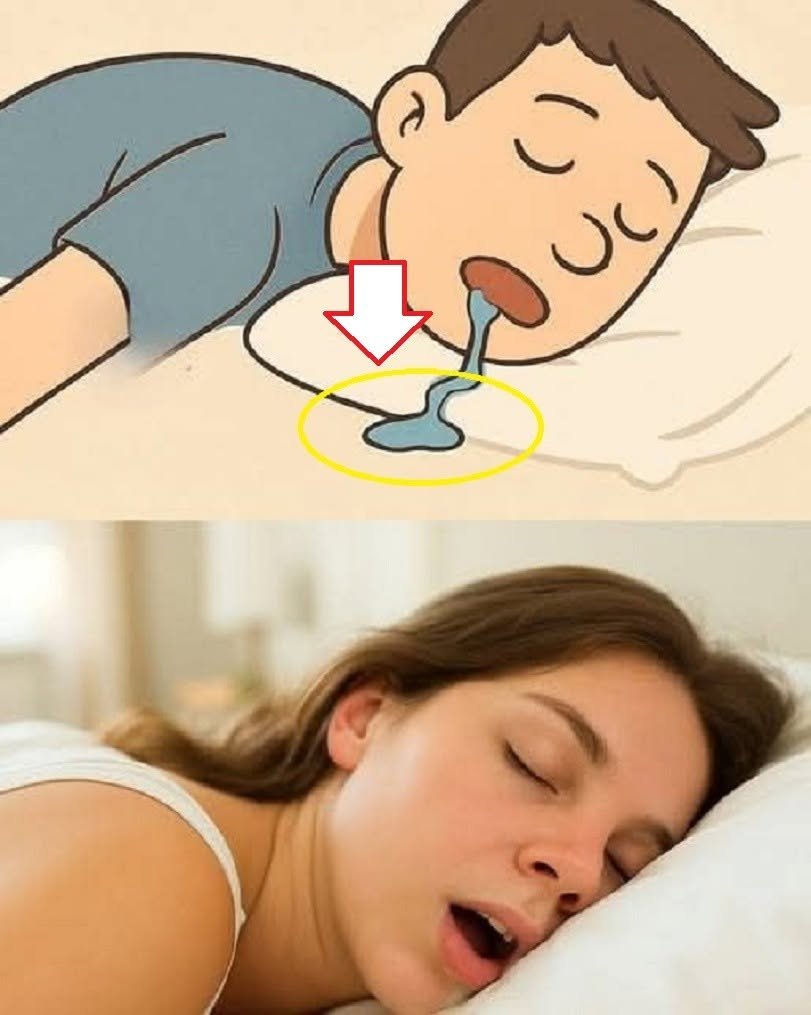
If You Drool While Sleeping Often, It Could Be a Sign of These 6 Health Conditions
If You Drool While Sleeping Often, It Could Be a Sign of These 6 Health Conditions
Why Am I Drooling in My Sleep? 6 Health Conditions That Could Be Causing It
Have you ever woken up to find a wet spot on your pillow and wondered if it was normal?
For most people, occasional drooling during sleep is harmless. It can happen after a long day, during deep sleep, or simply because of the way you’re lying in bed. But if you’re an adult and suddenly start drooling frequently—or if it’s happening night after night—it may be worth paying attention.
I learned this firsthand.
For months, I kept waking up with a damp pillowcase. At first, I blamed my sleeping position. Then I blamed allergies. Eventually, it became so common that I started keeping a spare pillowcase nearby.
I laughed it off.
Then I casually mentioned it to my doctor during a routine checkup.
Instead of dismissing it, she asked a series of questions.
Did I snore?
Was I tired during the day?
Did I wake up with headaches?
Did I ever feel like I wasn’t getting quality sleep?
My answers led to a sleep study.
The diagnosis surprised me: obstructive sleep apnea.
The drooling wasn’t the problem. It was a symptom of a much larger issue.
That experience taught me something important: our bodies often send subtle warning signs long before a condition becomes serious. Sometimes those signals appear as fatigue or headaches. Sometimes they appear as something as simple as drooling during sleep.
If you’ve noticed frequent nighttime drooling, don’t panic. In most cases it’s harmless. But occasionally, it can point to an underlying health condition that deserves attention.
Let’s explore what causes drooling during sleep and when it may be time to speak with your doctor.
First, Why Do We Drool During Sleep?
Drooling, medically known as sialorrhea, occurs when saliva escapes from the mouth.
During the day, you swallow saliva automatically hundreds of times without even thinking about it. While you’re asleep, however, your swallowing reflex slows down. Saliva can accumulate in the mouth and sometimes escape, especially if your mouth falls open.
Common Normal Causes of Drooling
- Sleeping on your side or stomach
- Nasal congestion from a cold or allergies
- Pregnancy-related hormonal changes
- Certain medications
- Deep sleep
- Natural age-related changes
Occasional drooling is completely normal.
However, frequent or excessive drooling may indicate something more.
6 Health Conditions That Can Cause Frequent Drooling During Sleep
1. Obstructive Sleep Apnea (OSA)
One of the most common medical causes of nighttime drooling is sleep apnea.
What Is Sleep Apnea?
Sleep apnea occurs when the airway repeatedly becomes blocked during sleep, causing breathing interruptions throughout the night.
Many people with sleep apnea sleep with their mouths open because they’re struggling to breathe efficiently through their nose or airway.
Common Symptoms
- Loud snoring
- Waking up gasping for air
- Morning headaches
- Daytime fatigue
- Difficulty concentrating
- Irritability
- High blood pressure
- Dry mouth upon waking
Why It Causes Drooling
When your mouth remains open for extended periods during sleep, saliva can easily escape onto your pillow.
When to Seek Help
If drooling is accompanied by snoring and daytime sleepiness, ask your healthcare provider about a sleep study.
2. Allergies and Chronic Nasal Congestion
If your nose is blocked, your body naturally shifts to mouth breathing.
This is one of the most overlooked causes of nighttime drooling.
Common Symptoms
- Stuffy nose
- Sneezing
- Itchy eyes
- Postnasal drip
- Mouth breathing
- Snoring
Why It Causes Drooling
Breathing through your mouth while sleeping makes it easier for saliva to escape.
What May Help
- Saline nasal rinses
- Allergy treatment
- Air purifiers
- Managing environmental triggers
3. Acid Reflux (GERD)
Many people don’t realize that digestive issues can contribute to drooling.
What Is GERD?
Gastroesophageal reflux disease occurs when stomach acid travels back into the esophagus.
Common Symptoms
- Heartburn
- Sour taste in the mouth
- Chronic cough
- Hoarseness
- Chest discomfort
- Difficulty swallowing
Why It Causes Drooling
Your body may produce extra saliva to help neutralize stomach acid, leading to increased drooling at night.
4. Neurological Conditions
Some neurological disorders affect the muscles responsible for swallowing.
In these cases, saliva builds up because it isn’t being swallowed efficiently.
Conditions Associated With Drooling
- Parkinson’s disease
- Stroke
- Multiple sclerosis
- Cerebral palsy
- ALS
- Bell’s palsy
Warning Signs
- Difficulty swallowing
- Choking during meals
- Slurred speech
- Facial weakness
- Unexplained weight loss
If these symptoms are present, medical evaluation is important.
5. Medication Side Effects
Certain medications can increase saliva production or reduce swallowing efficiency.
Common Medication Triggers
- Antipsychotic medications
- Alzheimer’s medications
- Sedatives
- Muscle relaxants
- Some anxiety medications
What to Do
Never stop prescribed medication without consulting your healthcare provider.
Often, dosage adjustments or alternative treatments may help.
6. Dental Problems and Oral Health Issues
Sometimes the source of excessive drooling starts inside the mouth itself.
Potential Causes
- Ill-fitting dentures
- Braces or retainers
- Gum disease
- Oral infections
- Mouth sores
Symptoms to Watch For
- Bad breath
- Gum swelling
- Mouth pain
- Difficulty chewing
- Dental discomfort
Regular dental checkups can often identify and resolve these issues.
When Should You See a Doctor?
Occasional drooling usually isn’t concerning.
However, make an appointment if you experience:
New or Worsening Drooling
A sudden increase in drooling may indicate an underlying issue.
Snoring and Extreme Fatigue
This combination may suggest sleep apnea.
Difficulty Swallowing
Problems swallowing should always be evaluated.
Changes in Speech or Facial Movement
These symptoms require prompt medical attention.
Unexplained Weight Loss
Weight loss combined with drooling may signal swallowing difficulties.
Fever, Confusion, or Severe Symptoms
Seek immediate medical care.
How to Reduce Drooling While Sleeping
If your drooling isn’t linked to a serious medical condition, these simple strategies may help.
Sleep on Your Back
Gravity works in your favor when sleeping on your back.
Treat Nasal Congestion
Address allergies, sinus issues, and chronic congestion.
Avoid Heavy Meals Before Bed
Late-night eating can worsen acid reflux.
Stay Hydrated
Proper hydration supports normal saliva consistency.
Use a Humidifier
Dry air can worsen mouth breathing.
Visit Your Dentist
Dental issues are often easier to fix than many people realize.
Frequently Asked Questions
Is drooling during sleep normal?
Yes. Occasional drooling is common and usually harmless.
Can sleep apnea cause drooling?
Yes. Sleep apnea often causes mouth breathing, which can lead to drooling.
Why do I drool more when sleeping on my side?
Gravity allows saliva to flow out of the mouth more easily in side-sleeping positions.
Can acid reflux cause drooling?
Yes. GERD may increase saliva production as the body attempts to neutralize stomach acid.
Should I be worried if I suddenly start drooling?
If drooling is new, frequent, or accompanied by symptoms such as snoring, difficulty swallowing, or daytime fatigue, speak with your healthcare provider.
Key Takeaway
Most cases of nighttime drooling are harmless and related to sleep position, congestion, or temporary changes in the body.
However, persistent drooling can sometimes be an early sign of conditions such as sleep apnea, allergies, acid reflux, medication side effects, or neurological disorders.
The goal isn’t to panic—it’s to pay attention.
Your body often gives small clues before bigger problems develop.
If you’ve noticed frequent drooling along with other symptoms, consider discussing it with a healthcare professional. A simple conversation could uncover an issue that’s affecting far more than your pillowcase.
And sometimes, as it did for me, that conversation can change your health—and your sleep—for the better.