
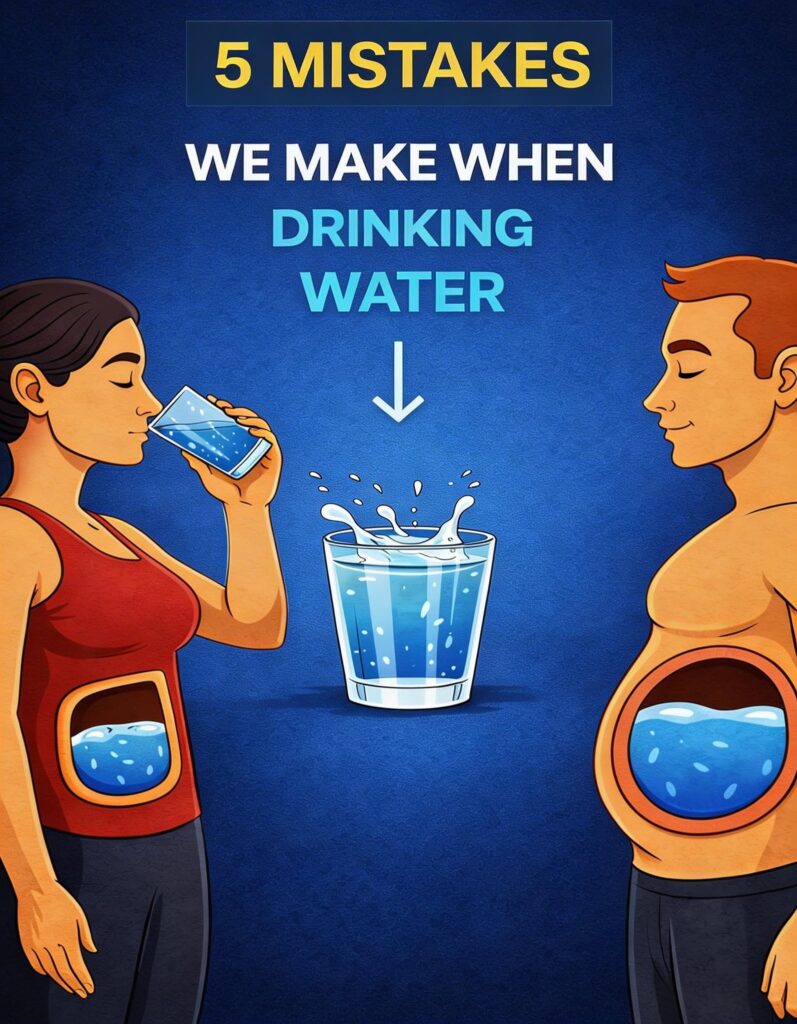
Imagine reaching for a glass on your desk. The cool liquid slides down, refreshing instantly. Yet that simple act might not hydrate as well as you think. Have you ever felt tired despite “drinking enough”? Or noticed dry skin persisting? Many assume water intake is straightforward. But subtle habits can undermine benefits. What if fixing five overlooked errors boosted energy and clarity? Discover them now—the first might catch you off guard.
The Subtle Ways We’re Undermining Our Hydration
Water makes up about 60% of your body. Proper intake supports everything from focus to digestion. Studies suggest even mild dehydration can impair mood and cognition. Ever pushed through a sluggish afternoon, blaming coffee shortage? It might be hydration habits. But hold on—common pitfalls trip most up.
Why These Mistakes Matter More Than You Realize
Meet Diane, a 48-year-old office manager always with a bottle nearby. Yet headaches plagued her days. She guzzled when thirsty, ignoring steady needs. Before her fix, consider this: research shows consistent sipping may maintain better levels. Rushing or forgetting risks the opposite. Ready for the top mistake?
5 Everyday Mistakes Sabotaging Your Water Intake
Here’s the truth most people miss: hydration isn’t just about quantity. It’s about how, when, and what you drink. But that’s not all. Small daily choices can quietly reduce how well your body actually uses the water. Let’s break down the five most common ones, starting with the one that surprises almost everyone.
5. Relying Only on Plastic Bottles for Convenience
Grabbing disposable ones feels easy. But heat or reuse might release chemicals over time. Guidelines suggest reusable options for safety. But the next affects absorption more.
4. Drinking Ice-Cold Water Exclusively
That frosty chill invigorates on hot days. Yet some evidence indicates room temperature aids digestion better. Cold might slow processes slightly. Curious? The benefits of balance build here.
3. Chugging Large Amounts All at Once
Downing a liter after forgetting feels productive. But kidneys process about 8-10 ounces hourly effectively. Excess might strain or dilute electrolytes. But hold on, timing plays a bigger role.
2. Waiting Until You’re Thirsty to Drink
Thirst signals already mild dehydration. By then, performance may dip. Studies link early signs to fatigue. Almost there—the most common tops them.
1. Not Spreading Intake Throughout the Day
Morning gulps then forgetting until night misses steady support. Consistent flow helps cells optimally. Research favors regular sips for sustained hydration. Eye-opening, isn’t it?
But real changes bring it alive.
Real-Life Shifts: How Two People Corrected Their Habits
Diane, 48, battled persistent tiredness. “I drank plenty, but unevenly,” she recalled. Switching to timed sips and reusable glass, clarity returned. “Focus sharpened noticeably.”
Then Alex, 55, a busy dad chugging post-workout. Bloating followed often. Learning steady intake, he added reminders. Months later, energy felt even.
These show potential—experiences differ, of course. You might think, “But cold water wakes me.” Valid, yet mixing temperatures helps. Or “Plastic’s fine occasionally.” True, but reusables offer peace.
Hydration Sources Comparison: Bottled vs. Alternatives
| Source Type | Pros | Potential Concerns | Best For |
|---|---|---|---|
| Plastic Bottles | Portable, convenient | Chemical leaching if heated | Short-term use |
| Reusable Glass/Steel | Safe, eco-friendly | Heavier to carry | Daily routine |
| Tap Water (Filtered) | Cost-effective, accessible | Varies by location quality | Home base |
| Infused with Fruits | Adds flavor naturally | Extra prep time | Encouraging more intake |
Reusable often wins for long-term support. But here’s the part most overlook: pairing the right container with smart habits makes all the difference.
Simple Guide to Better Drinking Habits
You don’t need fancy apps or expensive gadgets. These easy steps fit any schedule and can start working today.
- Choose Container Wisely
Switch to glass or stainless. Reduces exposure risks. - Temperature Balance
Room temp most; cold occasionally. Supports smoother absorption. - Sip, Don’t Gulp
8 oz every hour. Matches body processing. - Drink Before Thirst
Set phone reminders. Prevents dips. - Spread Evenly
Morning start, evening wind-down. Maintains steady levels. - Track Gently
Note urine color (pale ideal). Quick self-check.
Needs vary by activity, climate, age. General aim: 8-10 cups daily for many. Always consult your provider for personal needs.
3 FAQs About Everyday Hydration
How much water should I really drink each day?
It depends on your body, activity level, and climate. Many experts suggest starting with 8-10 cups as a baseline, then adjusting upward if you exercise or live in a hot area. The color of your urine offers the best daily clue—aim for pale yellow.
Is it okay to drink all my water in the morning?
Not ideal. Front-loading intake can leave you low later when your body needs steady support. Spreading it out helps maintain consistent energy and focus throughout the day.
Does adding flavor like lemon or fruit really count toward hydration?
Yes! Infused water encourages you to drink more without extra sugar or calories. Just keep portions moderate so the natural flavor doesn’t overpower the plain water you still need.
Unlock Better Hydration Starting Today
Ignoring these means potentially missing peak vitality. You’ve uncovered the five mistakes, comparisons, and stories. Small adjustments could transform days. Picture sharper focus, glowing skin, steady energy. You can achieve that. Start one change this week.
P.S. Quick win: Add lemon slices to room-temp water. Refreshing twist. Share with a friend dragging midday—they’ll thank you.
This article is for informational purposes only and is not a substitute for professional medical advice. Always consult your healthcare provider for personalized guidance.