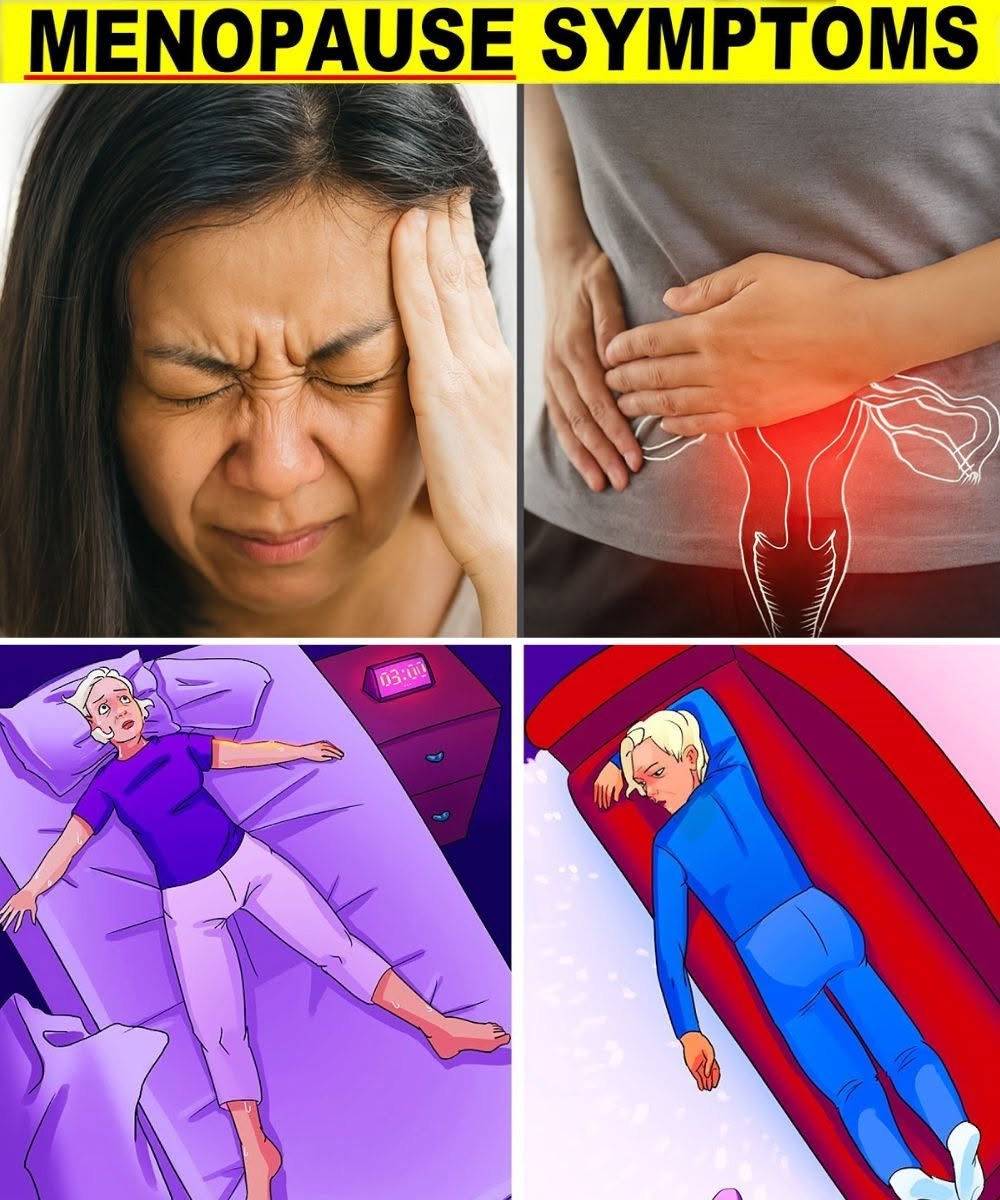
9 Signs You’re Actually Going Through Menopause
9 Signs You’re Actually Going Through Menopause
Menopause is more than just hot flashes or missed periods. Hormonal changes can affect your sleep, mood, energy, memory, and even your skin and joints.
The transition leading up to menopause is called perimenopause. It can begin several years before your periods stop completely.
9 common signs of menopause
1. Hot flashes and sudden warmth
You suddenly feel hot, especially in your face, neck, or chest. You may sweat, blush, or feel your heart beating faster, even when the room isn’t warm.
2. Trouble sleeping
You struggle to fall asleep, wake up repeatedly, or wake too early. Night sweats can make this worse, leaving you exhausted the next day.
3. Irregular periods
Your periods may arrive earlier or later than usual, become lighter or heavier, or skip months. This is often one of the first signs of perimenopause.
4. Mood swings, anxiety, or irritability
You may feel unusually emotional, anxious, impatient, or low without an obvious reason. Sleep disruption and hormonal changes may contribute.
5. Brain fog and forgetfulness
You might struggle to concentrate, forget words, or find it harder to remember small details. Persistent or worsening memory problems should not automatically be blamed on menopause.
6. Achy joints and muscles
Your knees, hips, shoulders, or fingers may feel stiff or sore. Joint pain is common around midlife, although it can have other causes too.
7. Dry skin, thinning hair, or body changes
You may notice drier skin, hair thinning, or more weight around your waist. Aging, genetics, thyroid problems, and other factors can also contribute.
8. Vaginal dryness or discomfort during sex
Falling estrogen levels can cause dryness, irritation, and pain during intercourse. Vaginal moisturizers and lubricants may help, and effective medical treatments are available.
9. Low energy and reduced sex drive
You may feel more tired than usual or notice less interest in sex. Poor sleep, mood changes, medications, and other health conditions can contribute.
These symptoms are recognized features of the menopausal transition, but no single symptom proves that you are going through menopause.How do you know if it’s really menopause?
Typical age: Menopause most commonly occurs between ages 45 and 55.
Perimenopause: You may have symptoms while still having periods, even if they are irregular.
Menopause: It is generally confirmed after 12 consecutive months without a period, provided hormonal contraception or another cause doesn’t explain the absence of bleeding.
Important: Seek medical advice for very heavy bleeding, bleeding between periods, or any vaginal bleeding after 12 months without a period. If symptoms start before age 45, it’s worth getting assessed.
The good news is that you don’t have to simply put up with troublesome symptoms. Hormone therapy and non-hormonal treatments may help, depending on your health and circumstances.Let’s narrow it down
How old are you, and which changes have you noticed? Your age and symptoms can help me explain whether they sound consistent with perimenopause or whether another cause should be considered.