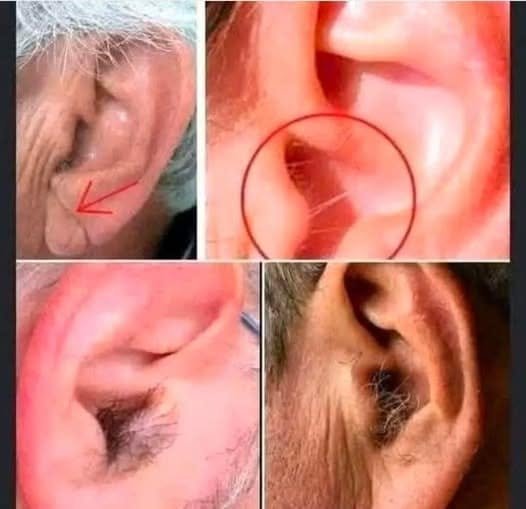
Did you know that if your ear hairs grow, it is because your body is
Did you know that if your ear hairs grow, it is because your body is
Ear Hair Growth and Safe Grooming
Ear hair growth is a natural part of aging for many people. As we age, hormonal changes—particularly changes involving androgens such as testosterone—can stimulate hair follicles and cause increased hair growth in certain areas, including the ears.
Genetics also play an important role. Some people naturally develop more ear hair because of their family history, while others may notice very little growth. Although ear hair is generally a normal part of aging, it can become bothersome or noticeable, leading many people to manage it for cosmetic reasons.
Why Ear Hair Grows
Ear hair growth is common, especially with increasing age. Hormonal changes can influence the activity of hair follicles, and androgens such as testosterone can contribute to increased hair growth in areas such as the ears and nose.
In men, this change may be more noticeable because of differences in androgen levels. Women also experience hormonal changes as they age, although increased ear hair may be less noticeable.
The Role of Genetics
Genetics can significantly influence how much ear hair a person develops. If close family members tend to have more noticeable ear hair, you may be more likely to experience it as well.
Some people may develop only a few hairs, while others may experience considerably more growth. Both patterns can be normal.
Grooming and Managing Ear Hair
If ear hair becomes noticeable or bothersome, several grooming methods can be used to manage it. Common options include:
- Small grooming scissors with rounded tips
- Electric ear and nose hair trimmers
- Professional grooming services
- Waxing, although this requires extra caution because the skin around the ear can be sensitive
For most people, trimming visible hair is a simple way to keep it under control.
How to Safely Trim Ear Hair
1. Gather Your Tools
Use small grooming scissors with rounded tips or an electric trimmer specifically designed for ear and nose hair. A mirror can also make the process easier.
2. Use Good Lighting
Choose a well-lit area so you can clearly see the hair you want to trim.
3. Clean the Outer Ear
Make sure the outer ear is clean before grooming. Avoid inserting cotton swabs, scissors, or other objects deep into the ear canal.
4. Use a Mirror
A magnifying mirror can help you see small or difficult-to-reach hairs more clearly.
5. Trim Carefully
If using scissors, trim only the visible hair and keep the scissors away from the ear canal. Avoid making sudden movements or attempting to cut hair that you cannot clearly see.
If using an electric trimmer, follow the manufacturer’s instructions and use a device specifically designed for ear and nose grooming.
6. Check Your Work
Look in the mirror after trimming. Start conservatively—you can always remove a little more hair if necessary.
7. Clean Your Tools
After grooming, clean the scissors or trimmer according to the manufacturer’s instructions and remove any loose hair.
8. Soothe Irritated Skin
If the outer ear becomes mildly irritated, a gentle, fragrance-free moisturizer may help soothe the skin. Avoid applying products deep inside the ear canal.
When to Seek Professional Help
If you are uncomfortable trimming ear hair yourself, a professional barber, stylist, or healthcare professional can help. Avoid attempting to remove hair deep inside the ear canal, as this can cause injury or irritation.
Overall, ear hair growth is usually a normal part of aging influenced by hormones and genetics. With careful grooming, noticeable ear hair can generally be managed safely.