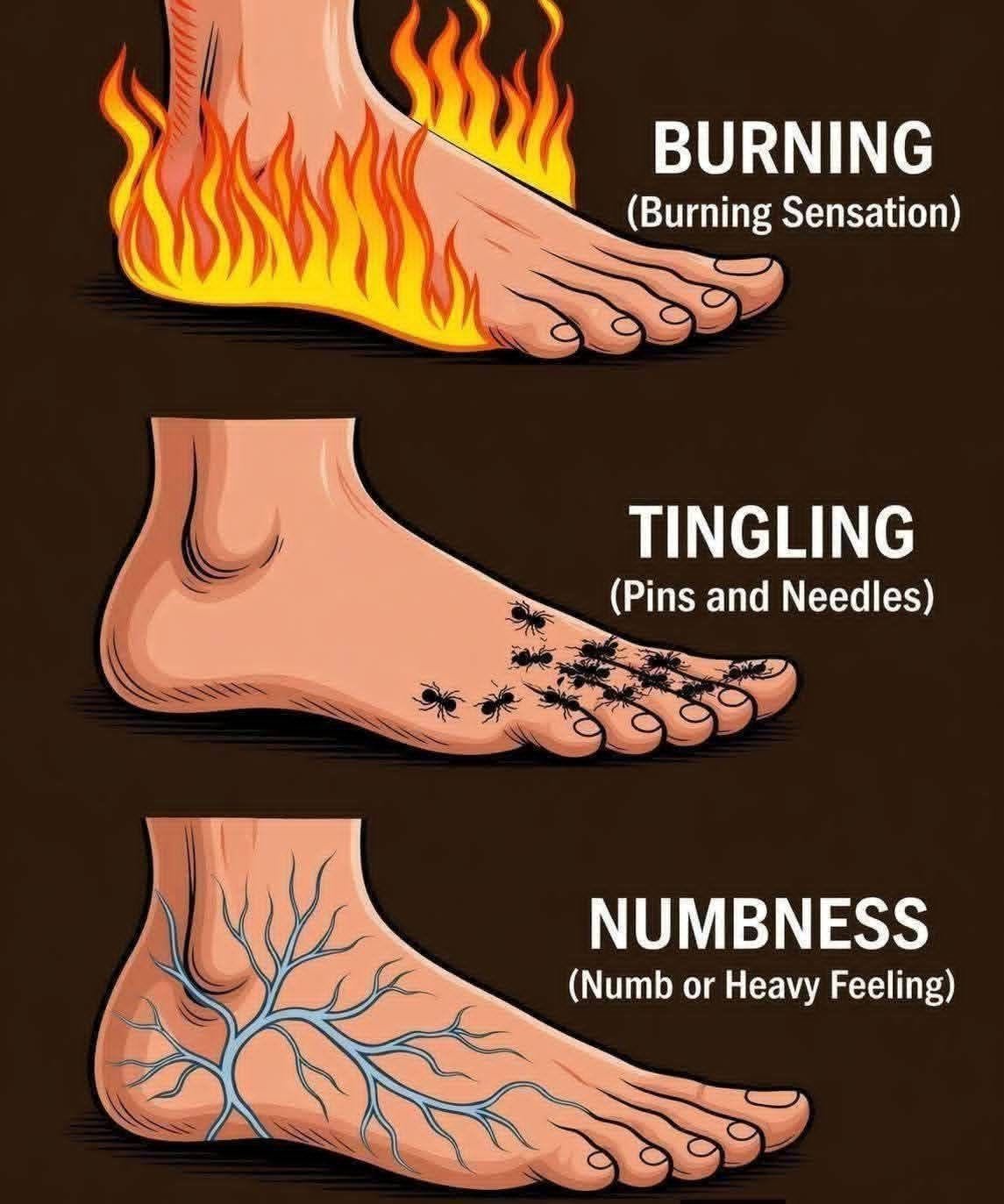
Burning, Numbness, and Tingling in the Feet: Causes, Relief, and Prevention
Burning, Numbness, and Tingling in the Feet: Causes, Relief, and Prevention
Burning, numbness, and tingling in the feet are common symptoms that many people experience from time to time. Sometimes, these sensations are temporary and occur after sitting or standing in one position for too long. However, frequent or persistent symptoms may be a sign of an underlying nerve, circulation, vitamin, or spinal problem.
The medical term for tingling or a “pins and needles” sensation is paresthesia. Understanding the possible causes can help you recognize when simple lifestyle changes may be enough and when medical evaluation is necessary.
What Do Burning, Numbness, and Tingling in the Feet Mean?
Tingling or numbness can occur when nerves are compressed, irritated, or damaged. Temporary pressure on a nerve can cause the familiar pins-and-needles sensation, which usually disappears after you change position and restore normal circulation.
When burning, numbness, or tingling happens repeatedly or continues for a long time, however, it may indicate an underlying health condition that requires attention.
Common Causes of Numbness and Tingling in the Feet
1. Prolonged Sitting or Pressure
Remaining in the same position for an extended period can put pressure on nerves or temporarily affect blood flow. Sitting with your legs crossed or standing for a long time may result in numbness or tingling in the feet.
These symptoms usually improve after changing position, walking around, or gently stretching the legs.
2. Peripheral Neuropathy
Peripheral neuropathy occurs when nerves outside the brain and spinal cord become damaged or irritated. It can cause symptoms such as burning, tingling, sharp or electric-like sensations, numbness, and reduced sensitivity.
Diabetes is one of the most common causes of peripheral neuropathy, but nerve problems can also be associated with certain infections, injuries, medications, alcohol use, and other medical conditions.
3. Circulation Problems
Reduced blood flow to the feet can sometimes cause numbness, coldness, pain, or unusual sensations.
Circulation problems can have several causes, so persistent symptoms should not simply be treated at home. A healthcare professional can determine whether poor circulation is contributing to your symptoms.
4. Vitamin Deficiencies
Certain vitamin deficiencies can affect normal nerve function. Vitamin B12 deficiency, in particular, can cause numbness and tingling.
Other nutritional deficiencies may also contribute to nerve problems. If you suspect a vitamin deficiency, it is better to have it evaluated rather than taking high-dose supplements without medical advice.
5. Problems Affecting the Spine
Conditions that affect nerves in the lower back can sometimes cause symptoms that travel down the legs and into the feet.
A herniated disc or other form of nerve compression may cause pain, numbness, tingling, or weakness along the affected nerve pathway.
When Should You Be Concerned?
Occasional tingling that quickly disappears is usually less concerning. However, you should consider speaking with a healthcare professional if your symptoms:
Keep returning or gradually become worse
Continue for an extended period
Cause persistent burning or pain
Are accompanied by muscle weakness
Affect your balance or coordination
Interfere with walking or everyday activities
Occur along with other unexplained symptoms
Sudden numbness or weakness, especially on one side of the body, or numbness accompanied by difficulty speaking, severe dizziness, or other sudden neurological symptoms requires urgent medical attention.
Natural Ways to Help Relieve Mild Symptoms
Treatment for burning or tingling feet depends on the underlying cause. For mild, occasional symptoms, some simple habits may help improve comfort.
Stay Physically Active
Gentle activities such as walking can support general circulation and help you avoid staying in one position for too long. Stretching the legs and ankles regularly may also help relieve temporary pressure.
Massage Your Feet
A gentle foot massage may provide temporary relief and relaxation, particularly when your feet feel tired after prolonged standing or walking.
However, people with reduced sensation should be careful because they may not notice excessive pressure or injuries.
Eat a Balanced Diet
A nutritious diet containing a variety of vegetables, fruits, whole grains, lean proteins, and other nutrient-rich foods supports overall health and normal nerve function.
If a vitamin deficiency is suspected, testing can help determine whether supplementation is actually needed.
Stay Hydrated
Maintaining adequate fluid intake supports overall health. However, hydration alone will not correct nerve damage or other medical causes of persistent tingling.
How Can You Prevent Burning and Tingling Feet?
Some everyday habits may reduce the risk of symptoms or help prevent them from becoming worse.
Avoid sitting or standing in the same position for long periods.
Take regular movement breaks throughout the day.
Wear comfortable, properly fitted shoes.
Maintain good posture.
Stay physically active.
Follow a balanced diet.
Limit excessive alcohol consumption.
If you have diabetes, work with your healthcare team to manage your blood glucose levels.
Check your feet regularly for cuts, blisters, redness, or other injuries, particularly if you have reduced sensation.
When to See a Doctor
Persistent burning, numbness, or tingling should not be ignored, especially when the symptoms are getting worse or affecting your daily life.
A healthcare professional may review your medical history, medications, diet, blood sugar levels, vitamin status, circulation, and nerve function to identify the possible cause. Depending on your symptoms, additional tests may be recommended.
Finding the underlying cause is important because treatment is different for conditions such as diabetes-related neuropathy, vitamin deficiency, nerve compression, and circulation problems.
Final Thoughts
Burning, numbness, and tingling in the feet can have many different causes. Temporary symptoms may result from prolonged pressure or an awkward position, while recurring or persistent symptoms can sometimes indicate nerve damage, diabetes, vitamin deficiency, circulation problems, or spinal issues.
Simple habits such as staying active, avoiding prolonged pressure, wearing comfortable shoes, eating a balanced diet, and taking good care of your feet may support overall foot health. However, natural remedies should not replace medical evaluation when symptoms are persistent, severe, or worsening.
Listening to your body’s warning signs and seeking appropriate medical advice when necessary can help identify problems early and ensure that you receive the right treatment.