
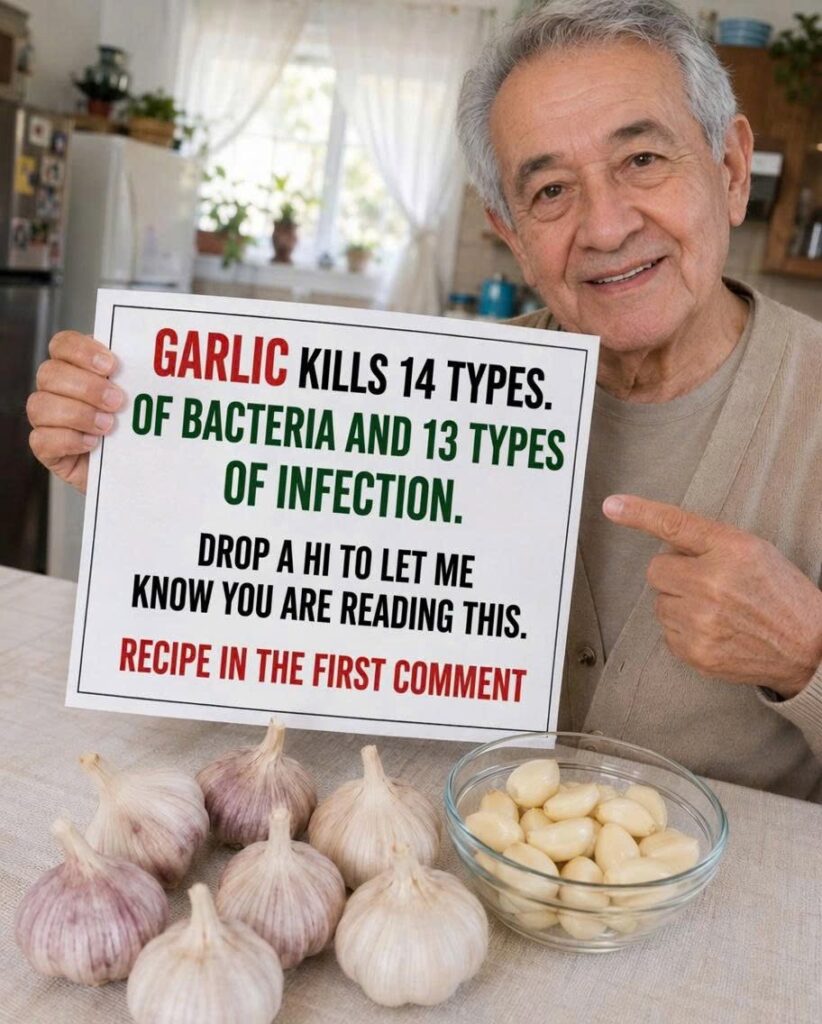
Garlic: Nutrition, Antimicrobial Properties, and What Science Really Says
Garlic has been used for thousands of years in cooking and traditional medicine. It is widely promoted online for its ability to “kill bacteria” and support overall health. While garlic does contain powerful bioactive compounds, it is important to separate traditional beliefs from scientific evidence.
Garlic can support a healthy diet, but it is not a substitute for medical treatment or antibiotics.
What Is Garlic?
Garlic is a plant in the onion family known for its strong aroma and flavor.
It contains:
- Allicin (bioactive sulfur compound)
- Vitamin C
- Vitamin B6
- Manganese
- Antioxidants
- Sulfur compounds
These components are responsible for many of its studied biological effects.
Why Garlic Is Considered “Powerful”
When garlic is crushed or chopped, it produces allicin, a compound that has been studied for its antimicrobial properties in laboratory settings.
However, these effects do not mean garlic can replace medical treatment.
Potential Health Benefits of Garlic
1. Supports Immune Function
Garlic contains antioxidants that may support normal immune system activity.
2. May Support Heart Health
Some studies suggest garlic may help support:
- Healthy cholesterol levels
- Normal blood pressure (when combined with a healthy lifestyle)
3. Antioxidant Properties
Garlic helps protect cells from oxidative stress.
4. Traditional Antimicrobial Use
Laboratory studies show garlic compounds may affect certain microorganisms, but:
- This does NOT replace antibiotics
- Human effectiveness is limited compared to medical treatment
Important Medical Reality
❌ Garlic does NOT kill all bacteria in the body
The claim “kills 14 types of bacteria” is not supported as a medical treatment standard.
❌ It does NOT replace antibiotics
Serious infections require prescription medication.
❌ It does NOT cure diseases
Garlic is a supportive food, not a cure.
How to Consume Garlic for Health
Raw Garlic
Crushed garlic may retain more allicin, but it can be strong on the stomach.
Cooked Garlic
Milder taste, still contains beneficial compounds.
Garlic in Meals
- Soups
- Stir-fries
- Sauces
- Salads
Simple Garlic Honey Recipe (Traditional Use)
Ingredients:
- 2–3 garlic cloves
- 1 tablespoon honey
Instructions:
- Crush garlic
- Mix with honey
- Let sit for a few hours
- Consume in small amounts
Foods That Support Immune Health
- Citrus fruits
Orange - Leafy greens
Spinach - Berries
Blueberry
Possible Side Effects of Excess Garlic
Too much garlic may cause:
- Stomach irritation
- Bad breath
- Heartburn
- Blood thinning effects (in high amounts)
People on medication should consult a doctor.
Common Myths About Garlic
Myth: Garlic replaces antibiotics
False—medical antibiotics are required for infections.
Myth: More garlic = stronger immunity
Balance matters more than quantity.
Myth: Garlic cures all diseases
No scientific evidence supports this.
Final Thoughts
Garlic is a highly nutritious and beneficial food with antioxidant and antimicrobial properties studied in laboratories. It can support heart health and general wellness as part of a balanced diet.
However, it should never be seen as a cure for infections or a replacement for medical treatment.
A healthy lifestyle—balanced nutrition, exercise, sleep, and medical care—remains the most effective approach to long-term health.