
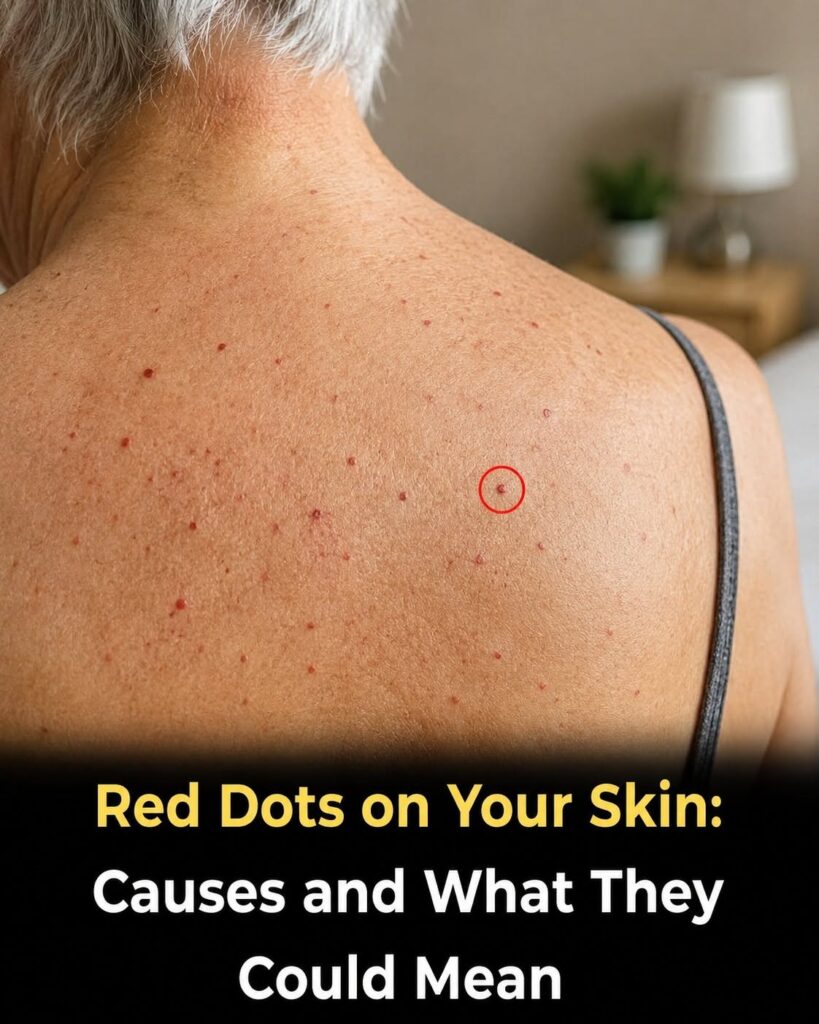
Spotting small red dots on your skin can catch you off guard and stir up immediate worry about what is happening beneath the surface. These unexpected marks often appear without any obvious trigger, leaving you scanning your arms, legs, or torso and questioning if they point to something more serious than a simple skin change. The uncertainty can feel unsettling, especially when the spots linger or multiply over time. The reassuring part is that many of these red dots turn out to be completely harmless and tied to everyday factors most people never consider.
But here is where it gets truly eye-opening: the real key to handling these spots often lies in a few simple observation habits and lifestyle adjustments that can make all the difference, and that surprising insight is waiting for you at the end of this guide.
What Exactly Are These Red Dots on Your Skin?
Red dots on your skin are usually tiny, pinpoint-sized marks that range in color from bright red to deeper purple or brownish tones. They can show up anywhere on the body, though they tend to cluster on the torso, arms, or legs. In most cases these spots result from minor changes in the tiny blood vessels just under the surface or from small amounts of blood leaking into the surrounding tissue.
They are not a rash in the traditional sense and rarely cause pain or itching on their own. Understanding their basic nature helps take the mystery out of the picture right away.
The Most Common Cause: Cherry Angiomas
One of the leading reasons adults notice red dots on their skin is a harmless growth called a cherry angioma. These bright red or purple spots form from clusters of dilated blood vessels and often look like small, slightly raised domes. They are extremely common, especially after age 30, and many dermatology sources note they become more frequent with each passing decade.
Genetics, sun exposure over the years, and natural aging processes all play a role in their development. The good news? Cherry angiomas are benign and do not require any medical intervention in the vast majority of cases. They simply sit there as a normal part of skin aging for many people.
Here is the thing that surprises most readers: once a cherry angioma appears, it usually stays put unless removed for cosmetic reasons by a professional. But new ones can continue to form as time goes on, which is why monitoring them calmly matters.
When Red Dots Might Signal Something Else: Petechiae and Beyond
Not every red dot falls into the cherry angioma category. Another possibility is petechiae — flat, pinpoint spots caused by tiny capillaries leaking blood under the skin. Unlike raised angiomas, petechiae do not blanch or fade when you gently press on them with a clear glass or your finger.
Petechiae can stem from everyday triggers such as intense coughing, vomiting, heavy lifting, or even minor skin friction. In some situations they relate to medications like blood thinners or to temporary changes in platelet levels.
But that is not the full picture. Other less common explanations for red spots on skin include:
- Heat rash or miliaria, where blocked sweat glands create small red bumps in warm, moist areas
- Allergic reactions to new soaps, fabrics, or skincare products
- Insect bites that leave behind clustered red marks
- Keratosis pilaris, often described as “chicken skin” with rough, red follicles on the upper arms or thighs
Research shared by trusted medical institutions like Cleveland Clinic and Medical News Today highlights how these different causes produce remarkably similar-looking spots at first glance, which is exactly why a thoughtful approach to observation makes sense.
How to Tell Cherry Angiomas Apart from Other Red Dots
Distinguishing between types helps ease your mind without jumping to conclusions. Here is a straightforward comparison many readers find useful:
| Feature | Cherry Angiomas | Petechiae | Other Red Spots (e.g. Heat Rash) |
|---|---|---|---|
| Appearance | Bright red, slightly raised | Flat, pinpoint, red/purple | Small bumps, may itch |
| Blanch test | May partially fade when pressed | Does not fade | Often fades or changes |
| Duration | Permanent unless removed | Usually fades in days to weeks | Comes and goes with trigger |
| Common locations | Torso, arms, legs | Anywhere, often legs or arms | Skin folds, sweaty areas |
| Typical age group | Adults over 30 | Any age | Any age |
This simple breakdown comes from patterns described across dermatology resources and can help you track changes more confidently.
Simple Steps You Can Take Right Now to Monitor Red Dots on Your Skin
You do not need fancy equipment or complicated routines to stay on top of things. Try these practical, everyday steps:
- Perform the gentle press test once a week on any new or existing spots using a clear drinking glass. Note whether they lighten slightly or stay the same color.
- Take clear photos in natural lighting every couple of weeks using your phone. Consistent images make it easier to spot any genuine changes over time.
- Keep skin hydrated with a gentle, fragrance-free moisturizer daily to support the skin barrier and reduce irritation that might worsen the appearance of spots.
- Protect against sun exposure by wearing lightweight clothing and applying broad-spectrum sunscreen, since UV rays can influence new vessel growth in some cases.
- Track any accompanying symptoms such as unexplained bruising, fatigue, or fever in a simple notebook or phone note so you have details ready if you ever consult a professional.
These small habits empower you to observe calmly instead of worrying unnecessarily.
Everyday Lifestyle Habits That Support Healthier Skin Overall
Now here is the part many people find most helpful. Certain daily choices can make your skin more resilient and may even slow the appearance of new red dots in the long run:
- Stay well-hydrated by drinking plenty of water throughout the day — dry skin tends to highlight vascular changes more noticeably.
- Eat a balanced diet rich in vitamin C and antioxidants from fruits and vegetables, as these nutrients help maintain healthy blood vessels according to general nutrition research.
- Manage stress through short walks, deep breathing, or whatever works for you, since chronic strain can sometimes contribute to temporary skin sensitivity.
- Avoid harsh scrubbing or very hot showers that can irritate delicate capillaries.
- Get enough restful sleep, because skin repair processes work best overnight.
The surprising insight many discover is that these same habits not only help with red dots but also contribute to smoother, more even-toned skin as the years go by.
When Should You Consider Speaking with a Healthcare Professional?
While most red dots on skin are harmless, certain patterns deserve a closer look. Pay attention if you notice:
- Sudden clusters of new spots appearing rapidly
- Spots that spread quickly to large areas
- Accompanying symptoms like unexplained fatigue, easy bruising, or fever
- Spots that do not follow the usual patterns of cherry angiomas
A quick visit to your doctor or dermatologist can provide personalized clarity and peace of mind. Professionals have the tools and experience to distinguish benign changes from anything that might need further attention.
Wrapping Up: Red Dots on Your Skin Are More Common Than You Think
Seeing red dots on your skin does not have to be a source of ongoing stress. In the majority of cases they represent ordinary, age-related changes like cherry angiomas or temporary reactions that resolve on their own. By learning the common causes, using simple monitoring techniques, and supporting your skin through daily habits, you can approach these spots with confidence and calm.
The most empowering takeaway? Knowledge combined with gentle observation turns uncertainty into understanding — and that shift alone can make a world of difference in how you feel about your skin.
Frequently Asked Questions
1. Do red dots on skin usually go away without any intervention?
Many types, especially those linked to minor strain or heat, fade naturally over days or weeks. Cherry angiomas tend to stay but remain harmless. Monitoring helps you know what is normal for your body.
2. Are red dots on skin ever a sign of something more serious?
In rare cases sudden or widespread petechiae can relate to other health factors. That is why noticing patterns and speaking with a healthcare provider brings the clearest answers.
3. Can lifestyle changes help prevent new red dots from forming?
Yes — protecting your skin from excessive sun, staying hydrated, and maintaining gentle skincare routines can support overall skin health and may reduce the likelihood of new spots appearing over time.
Disclaimer
The information in this article is for educational purposes only and is not intended as medical advice, diagnosis, or treatment. Always consult a qualified healthcare professional for any concerns about your skin or health. Individual results and experiences vary.