Why Am I Still Tired After 8 Hours of Sleep? Causes and Solutions
Why Am I Still Tired After 8 Hours of Sleep? Causes and Solutions
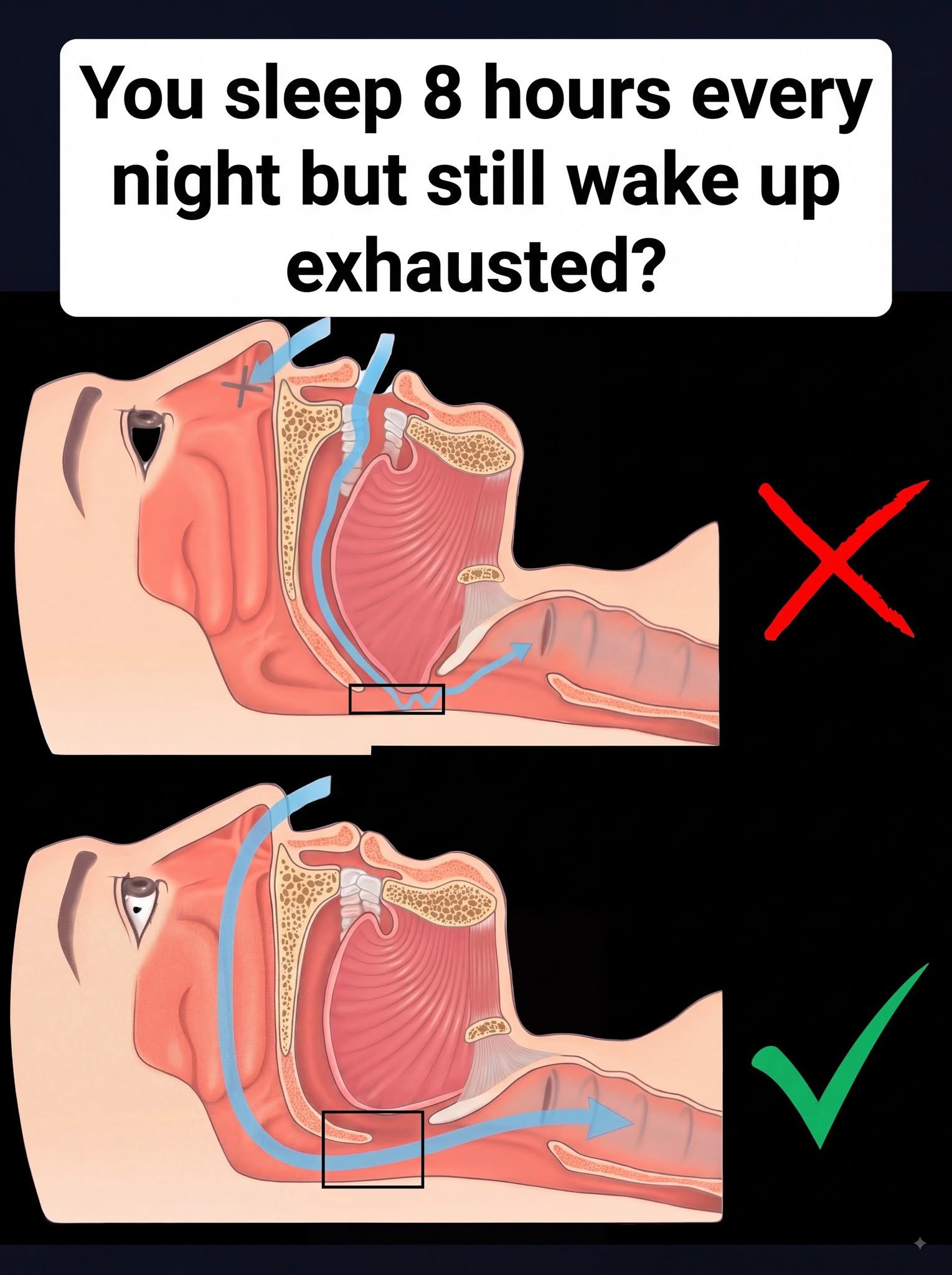
You sleep for 8 hours every night, but still wake up exhausted?
You get out of bed feeling like you barely slept. Coffee helps for a while, but the tiredness comes back. You may even take a nap during the day, only to wake up feeling groggy and drained.
If this sounds familiar, the problem may not be the amount of sleep you get. Sleep quality, breathing problems, stress, lifestyle habits, and underlying health conditions can all leave you feeling tired despite spending enough time in bed.
Here are some of the most common reasons you may wake up tired—and what you can do about them.
1. You’re Getting Enough Sleep, but Not Enough Quality Sleep
Eight hours in bed doesn’t necessarily mean eight hours of restorative sleep.
Your sleep is made up of different stages, including light sleep, deep sleep, and REM sleep. Throughout the night, your body normally cycles through these stages several times.
If your sleep is repeatedly interrupted, you may spend enough time in bed without getting the quality sleep your body needs.
Common causes of poor sleep quality include:
- An inconsistent sleep schedule
- Stress and anxiety
- Excessive screen use before bed
- Alcohol close to bedtime
- Caffeine consumed too late in the day
- A bedroom that is too hot, bright, or noisy
- Frequent nighttime awakenings
- Snoring or breathing problems during sleep
What can help?
Try keeping the same bedtime and wake-up time every day, including weekends.
Create a bedroom environment that is dark, quiet, and comfortably cool, and give yourself a relaxing wind-down period before going to bed.
Instead of trying to sleep longer and longer, focus on making the sleep you already get more consistent and uninterrupted.
2. Snoring and Sleep Apnea Could Be Disrupting Your Sleep
One of the most important reasons for feeling exhausted after a full night’s sleep is sleep-disordered breathing, including obstructive sleep apnea.
During sleep apnea, breathing repeatedly becomes restricted or stops temporarily. These episodes can cause brief awakenings that you may not remember the next morning.
As a result, your sleep can become fragmented even when you believe you slept continuously.
Possible warning signs include:
- Loud, persistent snoring
- Gasping or choking during sleep
- Morning headaches
- Dry mouth when you wake up
- Difficulty concentrating
- Excessive daytime sleepiness
- Feeling tired despite getting enough sleep
If you or your partner notice these symptoms, it’s worth talking with a healthcare professional.
Don’t assume mouth breathing is simply a bad habit
Breathing through your mouth at night can occur because of nasal congestion, allergies, structural nasal problems, or sleep-disordered breathing.
It does not necessarily mean your brain is being “starved of oxygen.”
The important question is why you’re breathing through your mouth.
Treating the underlying problem is generally more useful than simply trying to force your mouth closed.
3. Stress Can Keep Your Brain in “Alert Mode”
Do you lie in bed exhausted but unable to switch off your thoughts?
You may replay conversations, worry about tomorrow, think about work, or suddenly wake up during the night with your mind racing.
Stress can make it harder to fall asleep and can contribute to fragmented or less restorative sleep.
Cortisol is one of the hormones involved in the body’s stress response. It also follows a natural daily rhythm that interacts with your sleep-wake cycle.
The problem isn’t simply that “high cortisol causes poor sleep.” Rather, stress, irregular schedules, light exposure, and other factors can disrupt the normal relationship between your body’s circadian rhythm and sleep.
Try a 30-minute wind-down routine
About 30–60 minutes before bed, try:
→ Dim the lights
→ Put your phone away
→ Take a warm shower or bath
→ Read a relaxing book
→ Practice slow breathing
→ Keep your bedtime consistent
The goal is to give your brain a predictable signal that the day is ending.
4. Your Caffeine May Be Working Against You
Coffee can make you feel more awake, but it doesn’t necessarily fix the reason you’re tired.
Caffeine has a relatively long half-life, meaning some of it can remain in your system for hours after you drink it.
For some people, afternoon or evening caffeine can make it harder to fall asleep or reduce sleep quality—even if they don’t feel particularly “wired.”
If you’re waking up tired, consider tracking when you consume:
- Coffee
- Energy drinks
- Tea
- Cola
- Pre-workout supplements
- Other caffeinated products
If caffeine is affecting your sleep, moving your last caffeinated drink earlier in the day may help.
5. Your Sleep Schedule May Be Fighting Your Body Clock
Your body has an internal circadian rhythm that helps regulate sleep and wakefulness.
Going to bed at dramatically different times each night can make it harder for your body to know when it should be sleepy and when it should be alert.
This is especially common when someone sleeps late on weekends and then has to wake up early on weekdays.
A simple fix
Try to keep your wake-up time relatively consistent.
Getting natural daylight in the morning can also help reinforce your body’s daily rhythm.
A short morning walk outside can therefore be useful for both light exposure and physical activity.
6. Don’t Assume You Need More Electrolytes
Magnesium and potassium are important minerals involved in many processes in the body, including normal nerve and muscle function.
However, electrolyte deficiency is not the most common explanation for waking up tired after 8 hours of sleep.
If you eat a balanced diet, you generally don’t need to automatically take electrolyte supplements before bed.
Good food sources include:
Magnesium
- Nuts and seeds
- Beans
- Whole grains
- Leafy green vegetables
Potassium
- Potatoes
- Beans
- Bananas
- Avocados
- Yogurt
- Vegetables
Coconut water can contain potassium, but it isn’t a magical sleep treatment.
And before taking magnesium or potassium supplements regularly, especially in high doses, it’s better to consider your overall diet, medications, and health conditions.
7. Your Nap May Be Making You Feel Worse
Have you ever taken a long afternoon nap and woken up feeling even more exhausted?
That doesn’t necessarily mean the nap was harmful.
You may simply have experienced sleep inertia—the temporary grogginess and reduced alertness that can occur after waking, particularly when you wake from deeper sleep.
Long or late naps can also make it harder to fall asleep at night.
If you need a nap, keeping it relatively short and avoiding naps too close to bedtime may help protect your nighttime sleep.
8. Your Lifestyle Could Be Affecting Your Energy
Your sleep doesn’t happen in isolation.
What you do during the day can strongly influence how you sleep at night.
Regular physical activity, sufficient nutrition, hydration, and exposure to daylight can all support healthy sleep and daytime alertness.
Try building these habits into your day:
Morning:
Get outside and expose yourself to natural light.
Daytime:
Stay physically active and avoid spending the entire day sitting.
Afternoon:
Be mindful of caffeine intake and avoid relying on coffee to cover up persistent fatigue.
Evening:
Reduce stimulating activities and create a consistent bedtime routine.
Night:
Keep your bedroom comfortable, dark, and quiet.
When Waking Up Tired May Need Medical Attention
Occasionally feeling tired after waking is normal.
But if you regularly wake up exhausted despite getting enough sleep, don’t automatically assume you simply need more sleep.
Persistent fatigue can sometimes be associated with conditions such as:
- Obstructive sleep apnea
- Iron deficiency or anemia
- Thyroid problems
- Depression or anxiety
- Certain medications
- Chronic medical conditions
- Other sleep disorders
If your fatigue is persistent, severe, worsening, or interfering with your daily life, speak with a healthcare professional.
A doctor may ask about your sleep habits, medications, symptoms, lifestyle, and medical history and may recommend further evaluation if necessary.
What About Mouth Taping?
You may have seen social media posts recommending mouth tape to “train” yourself to breathe through your nose while sleeping.
Be careful with this trend.
Mouth taping is not appropriate for everyone, particularly people with nasal obstruction, certain breathing problems, or possible sleep apnea.
If you snore heavily, wake up gasping, or suspect that you have sleep apnea, don’t use mouth tape as a substitute for medical evaluation.
Instead, identify the reason you’re having difficulty breathing normally through your nose.
The Bottom Line
If you sleep 8 hours but still wake up exhausted, more sleep isn’t always the answer.
Start by looking at the quality and consistency of your sleep.
Ask yourself:
✓ Do I wake up frequently during the night?
✓ Do I snore loudly?
✓ Do I wake with a dry mouth or headache?
✓ Am I stressed or overthinking at bedtime?
✓ Do I consume caffeine late in the day?
✓ Is my sleep schedule inconsistent?
✓ Do I take long or late naps?
✓ Am I getting enough daylight and physical activity?
If the problem continues despite improving your sleep habits, it’s worth investigating further.
Feeling tired every morning isn’t something you should simply accept. Your body may be telling you that the problem isn’t how long you sleep—but how well you sleep.