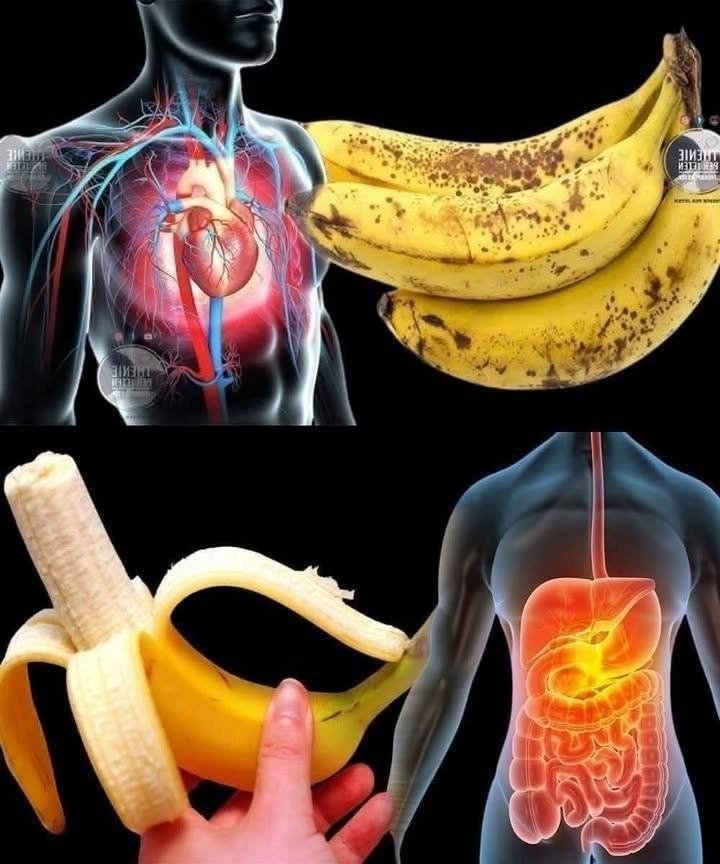
Did you know that eating bananas increases… See more
Did you know that eating bananas increases… See more
What Happens When You Eat a Banana Every Day? 5 Benefits You Should Know
Bananas are one of the simplest fruits you can add to your daily diet. They’re affordable, convenient, naturally sweet, and easy to take with you anywhere.
But what actually happens when you eat a banana regularly?
From providing quick carbohydrates for energy to supplying potassium and fiber, bananas can be a nutritious addition to a balanced diet. They may be especially convenient before a workout, as part of breakfast, or when you need a quick snack between meals.
Here are five reasons bananas can be a smart choice for everyday eating.
1. Bananas Provide a Convenient Source of Energy
Feeling hungry between meals?
A banana can be an easy way to get carbohydrates, which your body uses for energy. Because bananas contain naturally occurring sugars and carbohydrates, they can provide readily available fuel when you need it.
That makes them particularly convenient before exercise, during a busy workday, or as part of a quick breakfast.
For a more filling snack, pair a banana with a source of protein or healthy fat, such as Greek yogurt, peanut butter, or a handful of nuts.
2. They Support Normal Muscle and Nerve Function
Bananas are well known for their potassium content.
Potassium is an essential mineral involved in normal muscle contraction, nerve signaling, and fluid balance.
This is one reason bananas are popular among athletes and active people.
However, it’s important not to think of bananas as a guaranteed cure for muscle cramps. Cramps can have many possible causes, and eating a banana doesn’t necessarily prevent them.
Still, getting enough potassium as part of an overall balanced diet is important for normal body function.
3. Bananas Can Support Digestive Health
Bananas also contain dietary fiber.
Fiber helps support normal digestion and can contribute to regular bowel movements. Bananas also contain resistant starch, particularly when they are less ripe, which can act as a type of fermentable carbohydrate for beneficial gut bacteria.
As bananas ripen, their starches are converted into simpler sugars, which is why ripe bananas taste noticeably sweeter.
If you’re looking for an easy addition to a balanced diet, a banana can be a simple way to increase your fruit and fiber intake.
4. Bananas Contain Nutrients Your Body Needs
A medium banana provides several important nutrients, including potassium, vitamin B6, and vitamin C, along with carbohydrates and fiber.
Vitamin B6 is involved in numerous processes in the body, including normal protein metabolism and nervous-system function.
Vitamin C contributes to normal immune function and acts as an antioxidant.
No single fruit can provide everything your body needs, of course. The best approach is to eat a variety of fruits, vegetables, whole grains, protein sources, and healthy fats.
5. Bananas May Be a Convenient Choice Before Exercise
Need a simple pre-workout snack?
A banana can be a practical option because it provides carbohydrates without requiring preparation.
For many people, eating a banana before exercise is an easy way to get fuel without having a heavy meal sitting in the stomach.
You can also combine it with Greek yogurt or a small amount of nut butter if you want a snack with more protein and staying power.
The ideal timing depends on your workout, digestion, and personal preferences.
Do Bananas Really Boost Your Mood?
You’ve probably seen claims that bananas are a natural “happiness food” because they contain tryptophan.
There is some truth behind the connection, but the claim is often exaggerated.
Tryptophan is an amino acid involved in the body’s production of serotonin. However, simply eating a banana does not mean your serotonin levels will suddenly rise or that the fruit will directly improve your mood.
What bananas can provide is a nutritious source of carbohydrates and several essential nutrients. Eating a balanced diet overall is much more important for supporting general health and well-being than relying on one particular food.
Are Bananas Good for Weight Loss?
Bananas can absolutely fit into a weight-loss-friendly eating pattern.
The key is portion size and your overall calorie intake.
Because bananas contain fiber and are naturally sweet, they can be a useful alternative to highly processed sugary snacks. However, eating unlimited amounts of bananas won’t automatically cause weight loss.
If you’re trying to manage your weight, consider pairing a banana with protein, such as plain Greek yogurt, cottage cheese, or a small serving of nuts. This can make the snack more satisfying.
The bigger picture matters most: sustainable weight management comes from your overall eating pattern, physical activity, sleep, and other lifestyle factors.
When Is the Best Time to Eat a Banana?
There isn’t one universally “best” time.
In the morning
Add sliced banana to oatmeal, Greek yogurt, or whole-grain toast for a quick breakfast.
Before exercise
A banana can provide convenient carbohydrates before a workout.
After exercise
Pairing a banana with a protein-rich food can make a balanced recovery snack.
Between meals
A banana can be a convenient alternative to candy, pastries, or other highly processed snacks.
The best time is simply the time that fits your eating habits and nutritional needs.
Ripe vs. Unripe Bananas: What’s the Difference?
The ripeness of a banana changes its texture, sweetness, and carbohydrate composition.
Green bananas generally contain more resistant starch and are less sweet.
Yellow bananas are sweeter and softer because some of their starch has been converted into sugars.
Very ripe bananas are particularly sweet and soft, making them excellent for smoothies, banana bread, pancakes, and other recipes.
Neither stage is automatically “bad.” Your choice can depend on taste, digestion, and how you plan to use the banana.
How Many Bananas Should You Eat a Day?
For most healthy adults, there’s no universal rule saying you must eat a particular number of bananas each day.
One banana can be a perfectly reasonable serving of fruit, but your nutritional needs vary depending on your overall diet, activity level, age, and health circumstances.
Instead of focusing on one “perfect” number, aim for variety. Eating different types of fruit and vegetables gives your diet a broader range of nutrients.
People with certain medical conditions that require potassium restriction should follow their healthcare professional’s dietary guidance.
Easy Ways to Add More Bananas to Your Diet
Looking for simple meal-prep ideas?
Try these:
- Slice banana over oatmeal.
- Blend it into a fruit smoothie.
- Add it to Greek yogurt with nuts.
- Spread natural peanut butter over banana slices.
- Freeze banana pieces for smoothies.
- Add mashed banana to pancake batter.
- Use ripe bananas in homemade banana bread.
- Pair a banana with a boiled egg for a quick snack.
These options make bananas easy to incorporate into breakfast, snacks, and simple meal-prep routines.
Frequently Asked Questions
Are bananas healthy to eat every day?
Yes. For most people, bananas can be part of a healthy, balanced diet. They provide carbohydrates, fiber, potassium, vitamin B6, and other nutrients.
Do bananas give you energy?
Bananas contain carbohydrates that your body can use as fuel, making them a convenient source of energy, particularly around physical activity.
Can bananas help with digestion?
Bananas contain dietary fiber and resistant starch, especially when less ripe. These components can support normal digestive health.
Are bananas good before a workout?
They can be. Their carbohydrate content makes bananas a convenient pre-workout snack for many people.
Can you eat bananas while trying to lose weight?
Yes. Bananas can fit into a calorie-controlled, balanced eating plan. Weight loss depends on your overall energy intake and lifestyle rather than eliminating individual fruits.
The Bottom Line
Bananas may be simple, but they’re far from nutritionally empty.
They provide carbohydrates for energy, potassium for normal muscle and nerve function, and fiber to support digestive health. They’re also inexpensive, portable, naturally sweet, and incredibly easy to add to meals and snacks.
So, should you eat a banana every day?
If you enjoy them and they fit your nutritional needs, there’s no reason not to.
Just remember that no single food is a magic solution for weight loss, energy, digestion, or overall health.
A banana works best as part of a balanced diet filled with a variety of whole foods.
Sometimes, the simplest foods really can be some of the most useful.